California Tightens AI Contract Rules as Fight With Trump Admin Grows
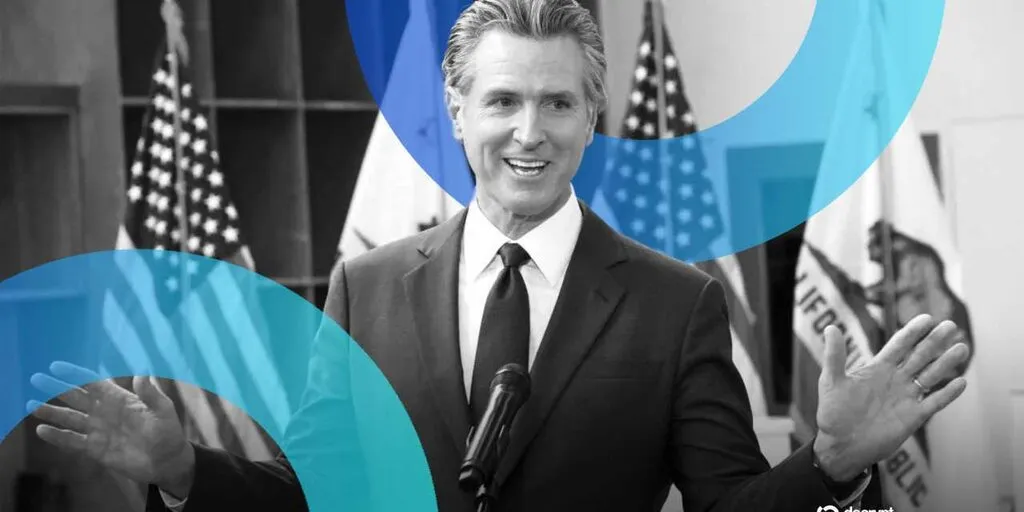
California Governor Gavin Newsom has announced new regulations aimed at tightening the rules for artificial intelligence companies seeking contracts with the state. This move comes as a direct response to ongoing tensions with the Trump administration, which has been advocating for a more laissez-faire approach to AI regulation at the national level. The new safeguards are intended to ensure transparency and accountability from AI firms, aligning with California's broader push for responsible AI deployment amid growing concerns over privacy, ethics, and the potential for bias in AI systems.
This development is significant for the market, particularly as it underscores the increasing divergence between state and federal approaches to technology governance. California, home to a large number of AI startups and tech giants, is setting a precedent that could influence other states to adopt similar measures. As businesses adapt to these stricter regulations, they may face increased compliance costs, but it also presents an opportunity for firms that can demonstrate adherence to ethical standards and robust governance practices. The heightened scrutiny could lead to a more rigorous evaluation of AI technologies, shaping the future landscape of the industry.
Looking ahead, it remains to be seen how the Trump administration will respond to California's tightened regulations and whether this will lead to further legal battles over state versus federal authority in tech governance. As discussions around AI continue to evolve, stakeholders across the industry will need to stay attuned to regulatory developments that could impact their operations and strategies. The balance between innovation and regulation will be pivotal in determining the trajectory of AI adoption in the coming years.

CoinMagnetic Team
Crypto investors since 2017. We trade with our own money and test every exchange ourselves.
Updated: March 2026
From our insights:
Related news

ECB and EU central banks propose liquidity thresholds for stablecoins
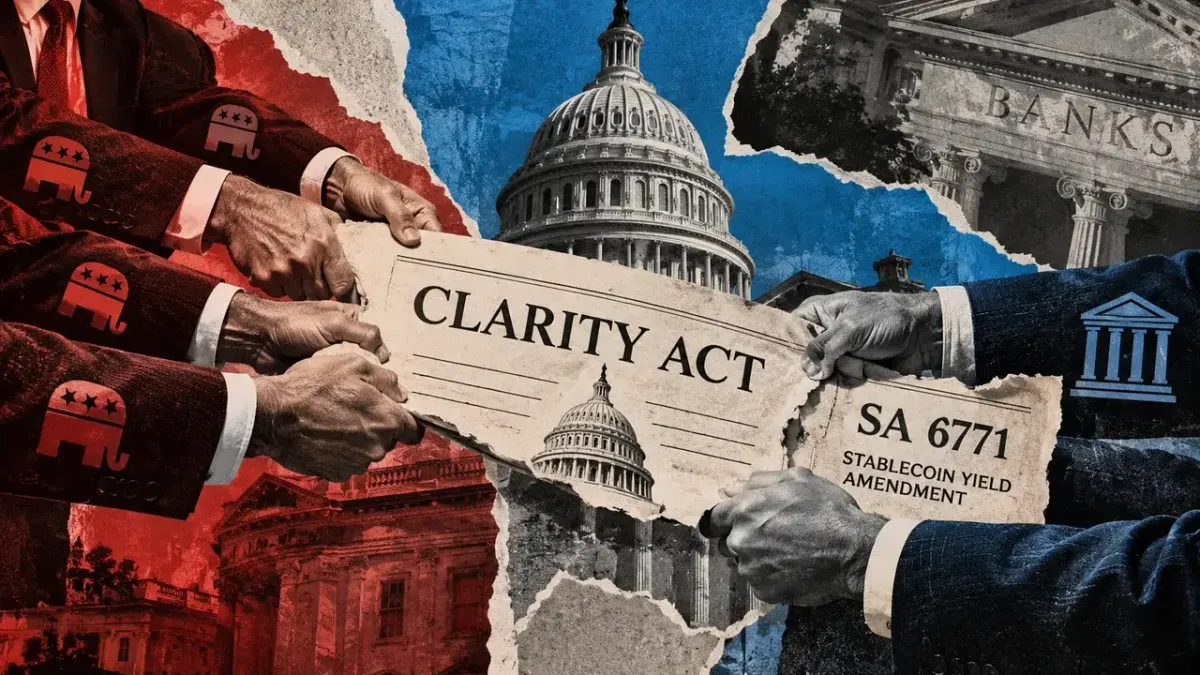
Four GOP senators backing CLARITY Act seek changes to stablecoin provisions

US investigates Binance for potential Iran-linked trading violations

Crypto sector emerges as top donor with $206 million in midterms backing
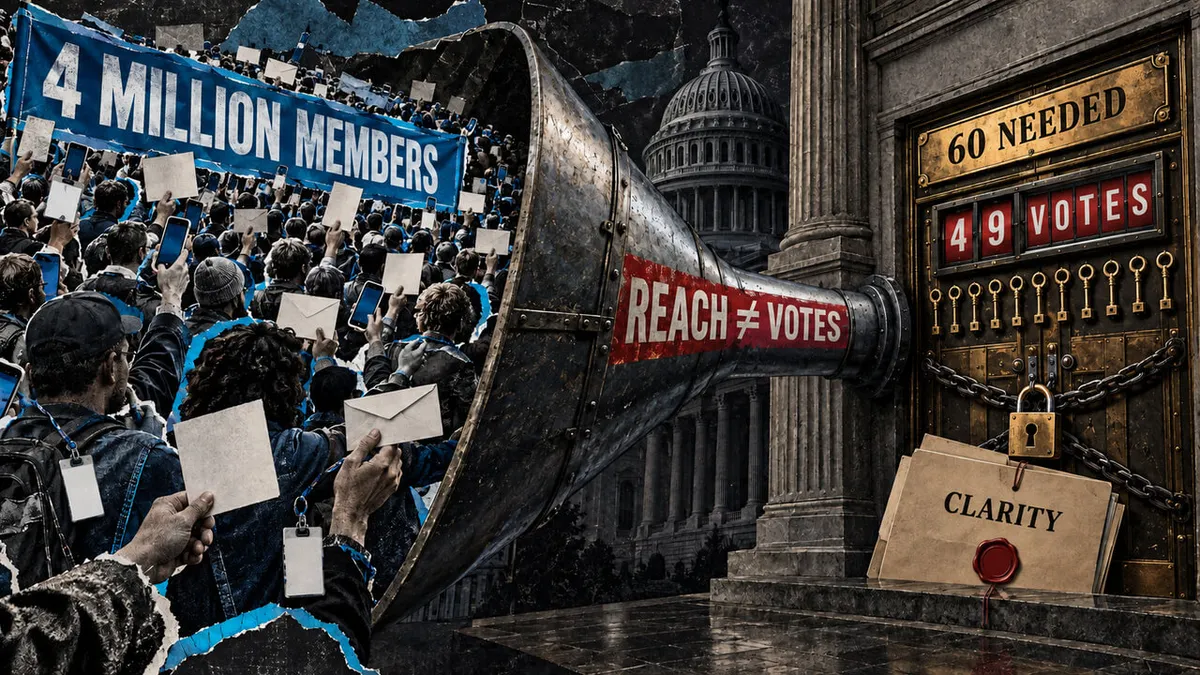
Stand With Crypto’s 4 million registered advocates couldn’t get the CLARITY Act through the Senate