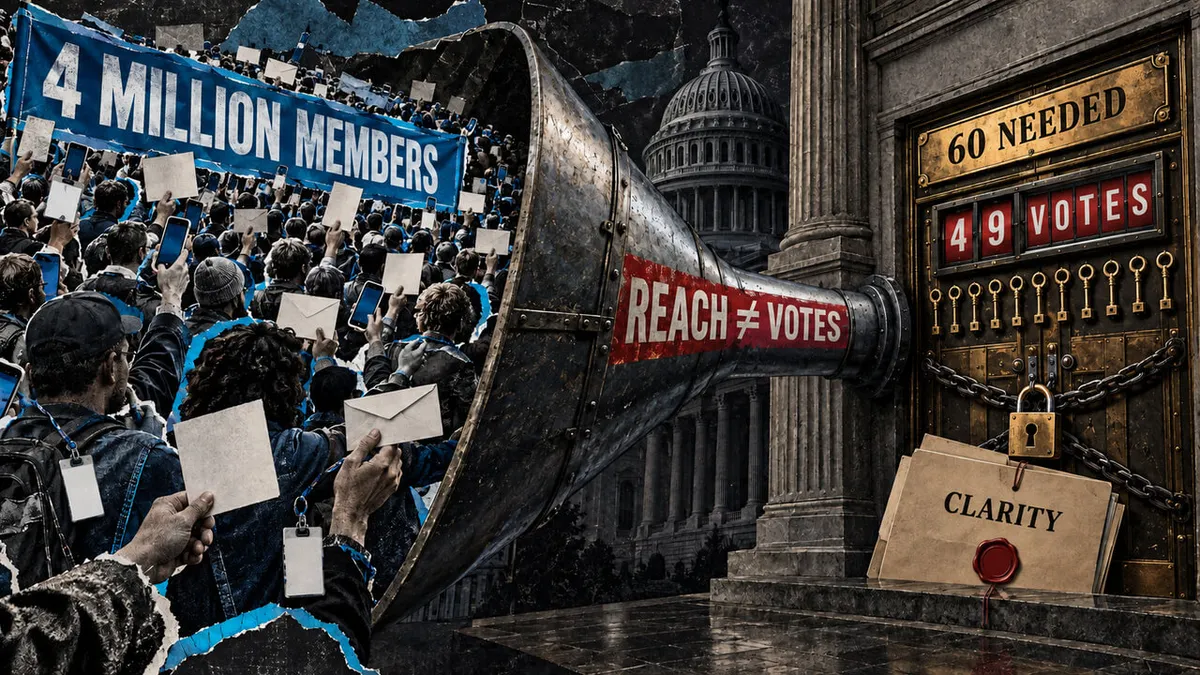
Judge continues Nevada ban on Kalshi sports markets

A Nevada state judge has ruled to continue the temporary ban on Kalshi's prediction markets that offer sports betting, declaring them "indistinguishable" from traditional gambling. This legal decision comes amid ongoing scrutiny of how prediction markets are classified and regulated. The judge's ruling not only extends the existing restrictions but also raises questions about the future of such markets in the state, especially as they attempt to carve out a niche in the competitive landscape of sports wagering.
Kalshi, which launched in 2020, operates a platform that allows users to bet on the outcomes of various events, including sports. The company has positioned itself as a more regulated alternative to traditional gambling, emphasizing transparency and compliance with financial regulations. However, this latest ruling underscores the challenges faced by prediction market platforms in establishing a legal framework that separates them from gambling activities, particularly in states like Nevada, where gambling laws are particularly strict.
The implications of this decision are significant for both Kalshi and the broader market for prediction markets. As sports betting continues to gain popularity across the United States, the legal landscape surrounding these markets is evolving. This ruling may deter potential investors or partners from engaging with Kalshi, given the uncertainty surrounding its operations in Nevada. Additionally, it raises broader questions about how states will approach the regulation of emerging financial products that blur the lines between betting and trading.
Industry experts have expressed mixed reactions to the ruling. Some believe it highlights the need for clearer regulatory guidelines that distinguish between gambling and prediction markets, while others argue that the decision could stifle innovation in a burgeoning sector. Advocates for prediction markets stress the potential benefits of these platforms in providing valuable insights and information about public sentiment and decision-making, arguing that they should not be subjected to the same stringent regulations as traditional betting.
Looking ahead, Kalshi may need to reassess its strategy in light of this ruling. The company could explore legal avenues to challenge the decision or work with regulators to develop a clearer framework for operating within Nevada's gambling laws. As the conversation around regulation continues, the outcome of this case may set a precedent for how other states approach prediction markets in the future, influencing the trajectory of this innovative yet contentious segment of the financial landscape.

CoinMagnetic Team
Crypto investors since 2017. We trade with our own money and test every exchange ourselves.
Updated: April 2026
From our insights:
Related news

Reap aims to enhance cross-border FX with non-USD stablecoins including peso

ECB and EU central banks propose liquidity thresholds for stablecoins
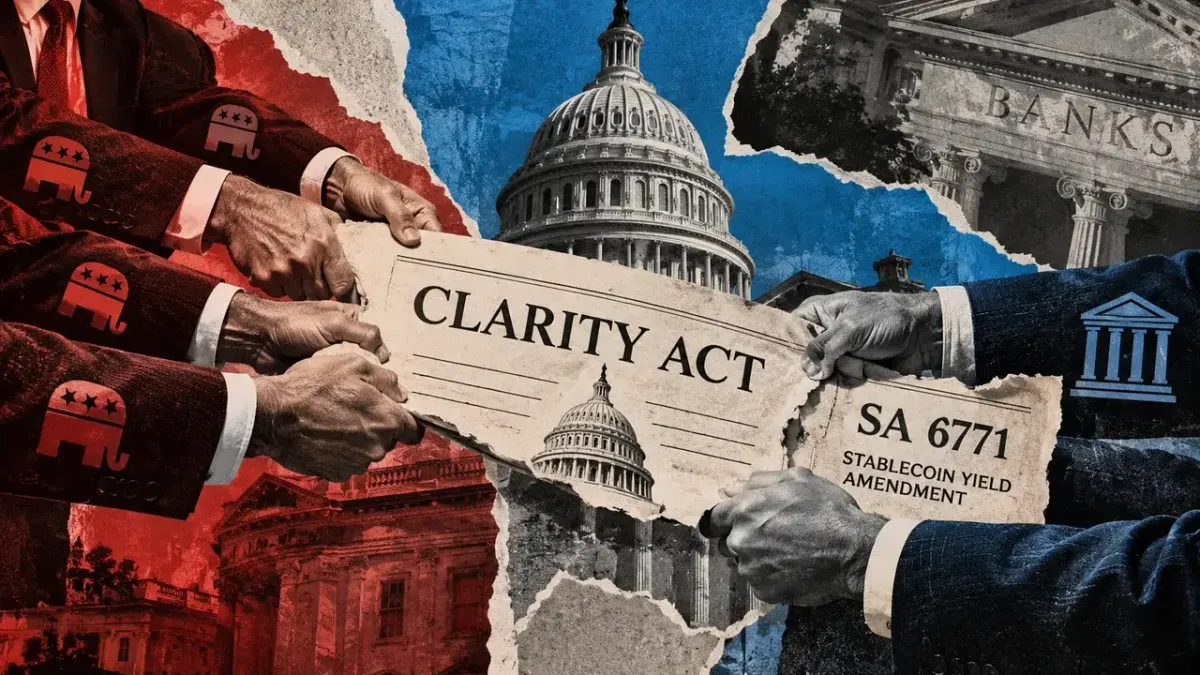
Four GOP senators backing CLARITY Act seek changes to stablecoin provisions
US investigates Binance for potential Iran-linked trading violations
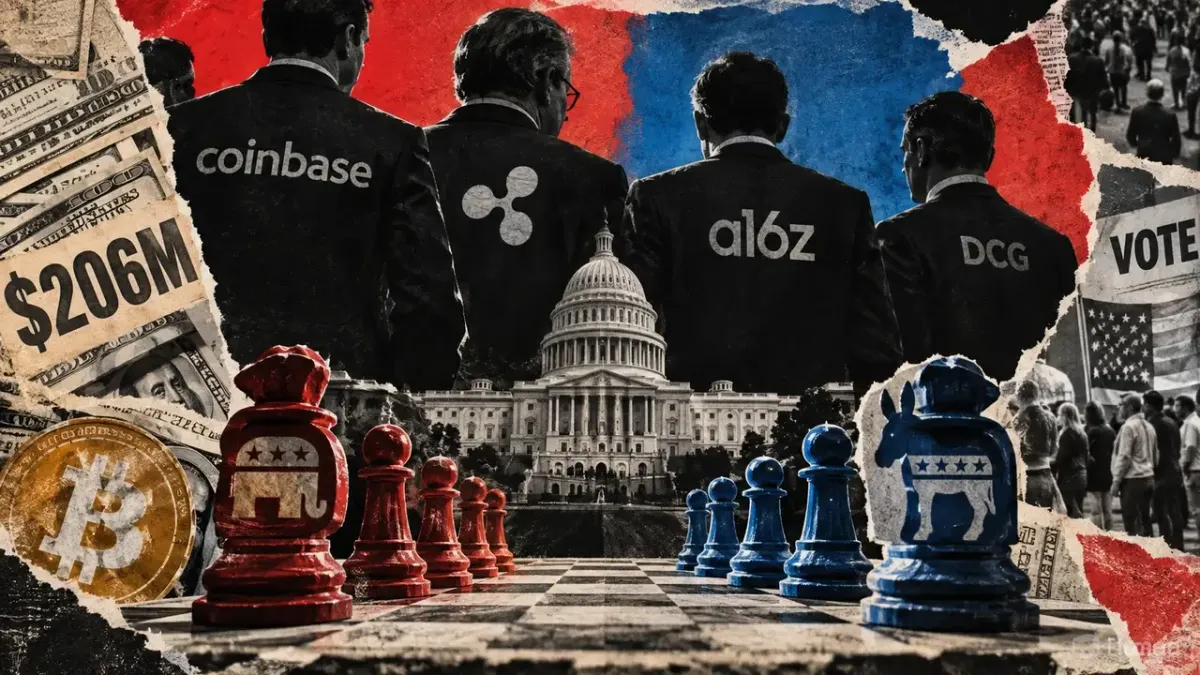
Crypto sector emerges as top donor with $206 million in midterms backing