Bitcoin’s $80k test should be decided by the bond market this week

This week, all eyes are on Bitcoin as it approaches a critical price point of $80,000. As the cryptocurrency grapples with this significant level, the Federal Reserve's upcoming decisions and announcements are being closely monitored. However, a more subtle yet influential factor may lie within the Treasury market, specifically the movements of the 10-year yield. Currently, this yield is experiencing one of the tightest compressions of the year, coinciding with a busy macroeconomic calendar that includes key economic data releases and Fed meetings. Investors are keenly aware that the bond market can heavily influence risk assets, including Bitcoin.
Understanding the backdrop of this situation requires looking at the broader economic landscape. The 10-year Treasury yield is often seen as a benchmark for various financial instruments, and its fluctuations can signal changes in investor sentiment regarding inflation and economic growth. Recently, the bond market has shown signs of volatility as traders speculate on the Federal Reserve's next moves regarding interest rates. A stable or declining yield generally supports riskier assets like Bitcoin, while rising yields could lead to a reevaluation of risk among institutional investors, impacting Bitcoin prices.
The implications of these developments for the cryptocurrency market are significant. If Bitcoin can decisively break through the $80,000 resistance level, it could signal renewed confidence from institutional investors, potentially leading to increased inflows. Conversely, if the bond market indicates rising yields–stemming from concerns about inflation or economic instability–it could trigger selling pressure on Bitcoin and other risk assets. As Bitcoin approaches this critical threshold, the interplay between the bond market and cryptocurrency could dictate market sentiment and price movements in the coming days.
Market analysts are divided on the implications of this bond yield compression. Some experts argue that a stable yield environment could bolster Bitcoin's appeal as a hedge against inflation, especially if the Fed signals a prolonged period of low-interest rates. Others caution that any unexpected hawkish moves from the Fed could lead to a stark correction in Bitcoin prices. Industry participants are closely monitoring sentiment in both the bond and cryptocurrency markets, as this week could shape the direction of Bitcoin for the immediate future.
Looking ahead, we may witness heightened volatility in both the bond and cryptocurrency markets as investors digest economic data and Fed communications. Traders and institutional players will be keen to gauge how these factors influence Bitcoin's performance around the $80,000 mark. The outcome of this critical test could either solidify Bitcoin's status as a digital asset in the face of macroeconomic challenges or lead to renewed doubt about its resilience amid shifting economic tides.

CoinMagnetic Team
Crypto investors since 2017. We trade with our own money and test every exchange ourselves.
Updated: April 2026
From our insights:
Related news

Bitcoin's weekly close above $81,000 signals potential rise to $90,000

Elon Musk's X integrates bitcoin trading options for U.S. users
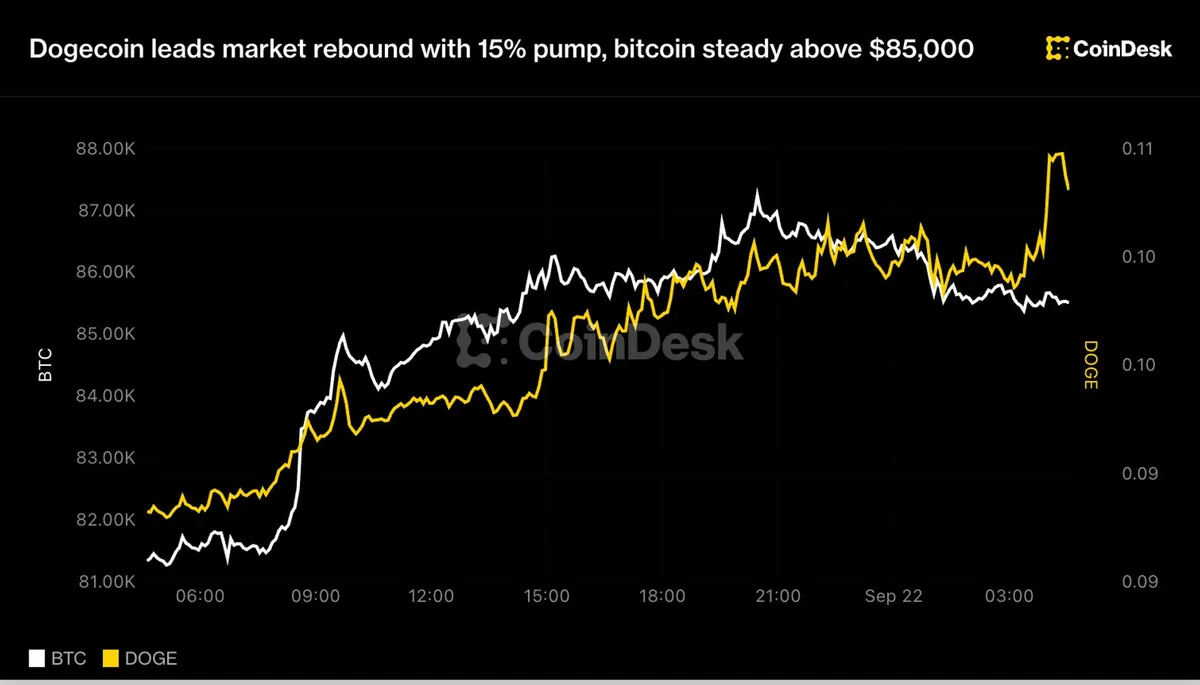
Dogecoin's 15% surge drives market recovery as bitcoin stabilizes above $85,000

Cardano adds tools for AI agent payments, joining Solana and XRP Ledger

Trueo prediction market moves from Base to Ethereum