Bitcoin miners face a tougher road to the 2028 halving
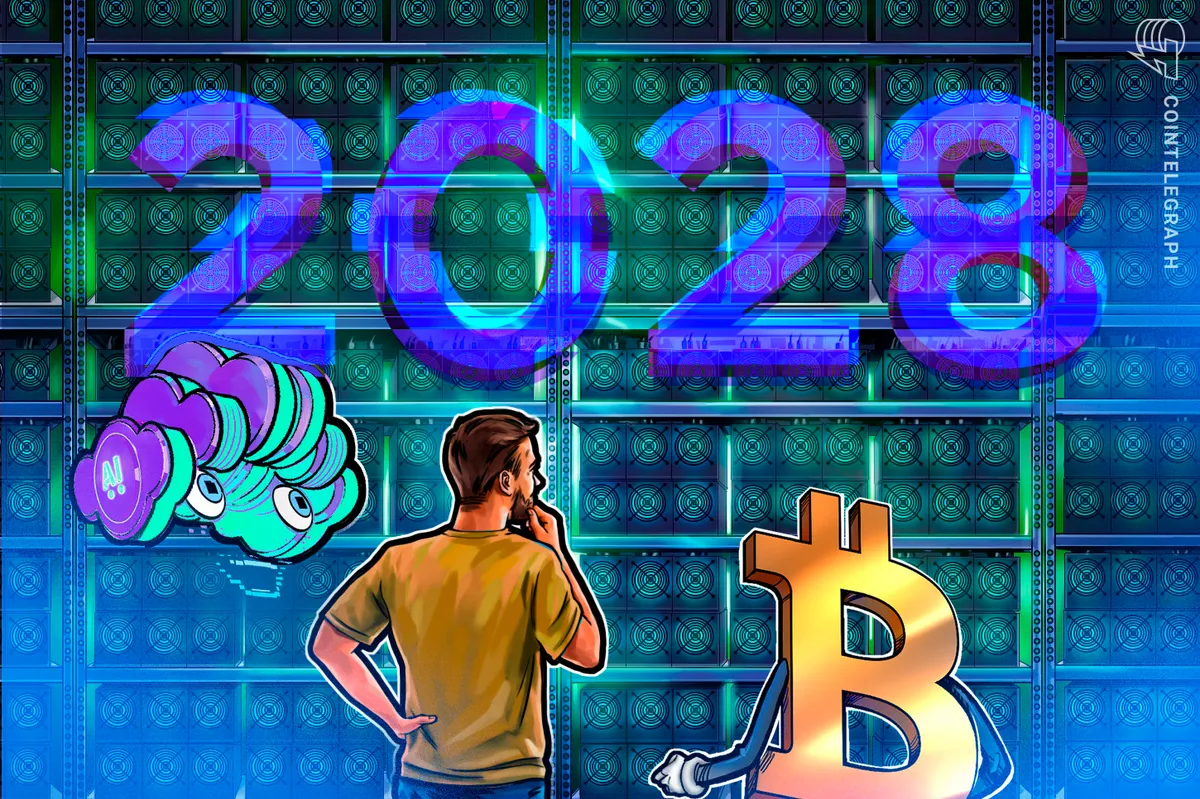
Bitcoin miners are currently navigating a challenging landscape as they approach the 2028 halving event. With margins tightening due to increased operational costs and fluctuating Bitcoin prices, miners are finding it increasingly difficult to maintain profitability. Additionally, energy markets are witnessing rising prices, which further exacerbates the strain on miners’ financial health. As competition intensifies and the rewards for mining decrease with each halving, miners are confronted with the pressing need for capital discipline to sustain operations in this evolving environment.
Historically, Bitcoin halvings have been pivotal events in the cryptocurrency ecosystem, reducing the block reward miners receive for validating transactions by half. The last halving occurred in May 2020, and it resulted in significant price appreciation for Bitcoin in the months that followed. However, the road to the next halving is fraught with challenges that miners must address. Increased competition from new miners entering the market and the rising costs of energy and equipment have created a perfect storm for existing miners, who are now feeling the pressure more than ever before.
The implications of this situation are profound for the broader cryptocurrency market. As miners face tougher conditions, their operational decisions could lead to decreased Bitcoin supply, potentially impacting market prices. If miners cannot cope with the costs, some may be forced to sell off their Bitcoin reserves to stay afloat, which could further affect prices negatively. Conversely, if miners manage to adapt and optimize their operations, the scarcity created by the halving could lead to upward price pressure, making the relationship between miner economics and market dynamics particularly critical to watch moving forward.
Industry experts have weighed in on the current state of Bitcoin mining, noting that the sector is at a crossroads. Some analysts suggest that miners will need to innovate and adopt more efficient technologies to survive, while others emphasize the importance of securing favorable power contracts and diversifying income streams. The consensus is that without a strategic approach to managing costs and investments, many miners may struggle to remain viable as the halving approaches.
Looking ahead, miners will likely focus on capital efficiency and technological advancements to navigate the challenging landscape. This may include investing in more energy-efficient mining rigs or exploring alternative energy sources to reduce costs. As the 2028 halving draws nearer, we can expect ongoing discussions within the mining community regarding best practices and strategies to mitigate risks in a market that is becoming increasingly competitive and unpredictable. The decisions made now will be critical for determining which miners will thrive and which may face significant hurdles in the years to come.

CoinMagnetic Team
Crypto investors since 2017. We trade with our own money and test every exchange ourselves.
Updated: April 2026
From our insights:
Related news
Power cuts to Bitcoin miners may paradoxically increase energy consumption

Grayscale’s Zcash ETF plans 3-for-1 split after $233 million inflow surge
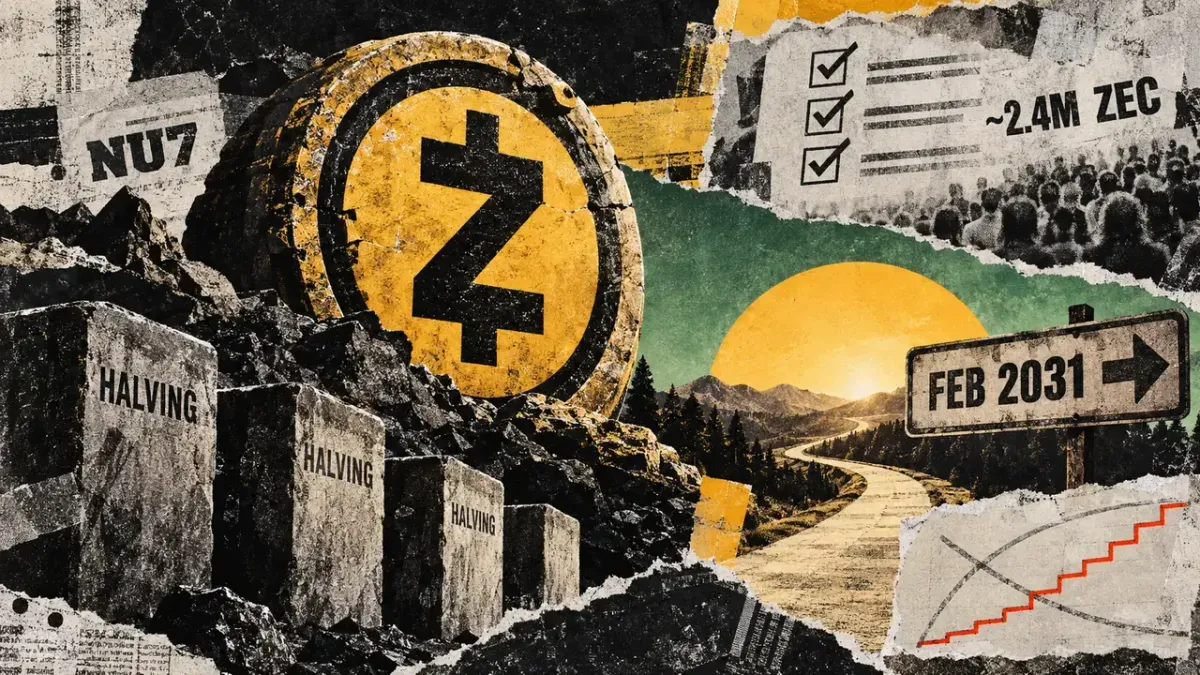
Zcash community votes to maintain halvings while delaying recycled ZEC until 2031
Zcash surges 168% in a month, nearing $1,400 after halving decision
Zcash miner Fortitude names former Hut 8 chief Jaime Leverton CEO ahead of Nasdaq deal
