Solo Bitcoin Miner Beats the Odds, Scores $210K Block Reward
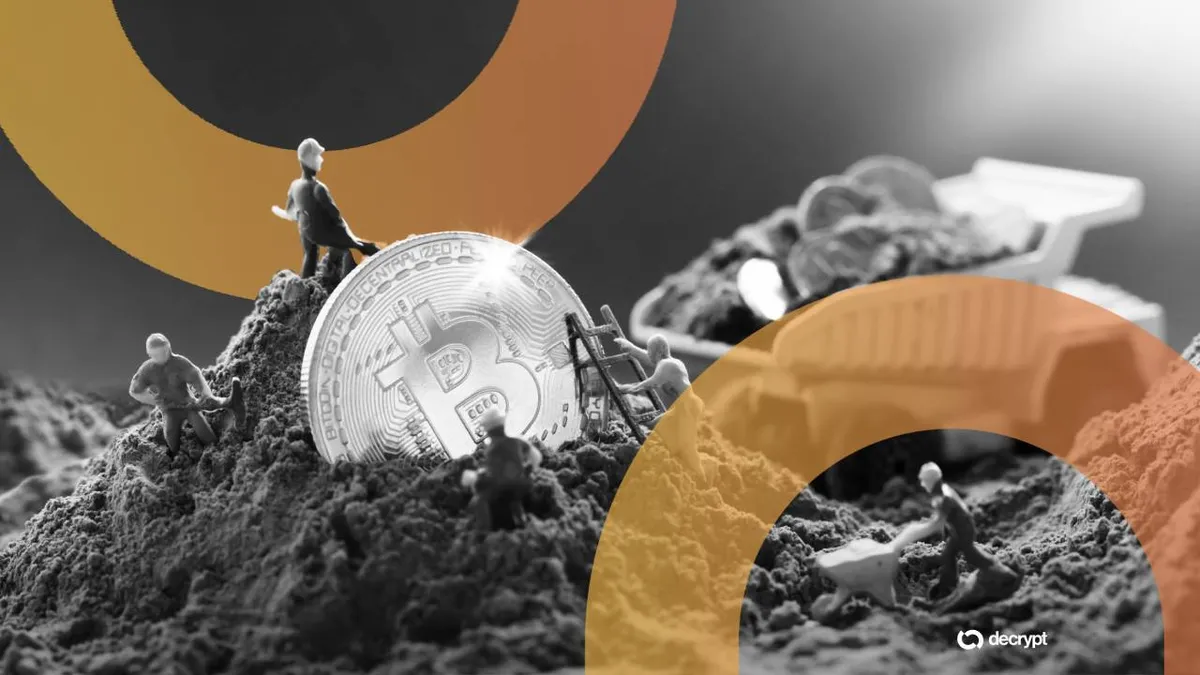
In an impressive display of individual tenacity, a solo Bitcoin miner has recently made headlines by successfully mining a block and securing a reward of approximately $210,000. This remarkable feat was achieved despite the miner contributing a minuscule 0.00002% of the total computing power found within the Bitcoin network. Such a low percentage highlights the sheer scale of the mining operation, dominated by larger, more resourceful entities. The successful mining of the block not only reflects the miner's skill but also sheds light on the unpredictable nature of the cryptocurrency mining landscape.
To understand the significance of this event, it is essential to consider the broader context of Bitcoin mining. The Bitcoin network functions on a proof-of-work consensus mechanism, where miners compete to solve complex mathematical problems to validate transactions and add new blocks to the blockchain. Most miners operate in large pools to increase their chances of receiving rewards, as the difficulty level of mining adjusts continuously based on the total computing power in the network. Consequently, solo miners often face immense challenges, making this recent success particularly noteworthy in an industry where collaboration typically reigns supreme.
This achievement carries substantial implications for the market and the future of solo mining. It serves as a reminder that, despite the dominance of larger mining farms, individual miners can still experience significant success. This could inspire more individuals to attempt solo mining, potentially leading to a more decentralized mining ecosystem. Furthermore, the event could impact market sentiment, as it demonstrates that fortune can still favor the brave, possibly attracting newcomers to the Bitcoin space who may have previously viewed solo mining as an unfeasible endeavor.
Reactions from the industry have been overwhelmingly positive, with many experts praising the miner's accomplishment as a testament to perseverance and innovation. Analysts note that this success story could reignite interest in solo mining strategies, particularly among smaller miners who have felt disheartened by the overwhelming dominance of mining pools. Industry insiders suggest that this event could also prompt discussions about the future of mining operations and the importance of maintaining a diverse range of participants within the network.
Looking ahead, it will be interesting to observe whether this solo miner's success encourages a wave of similar attempts from individuals who may see new opportunities in the space. As the Bitcoin network continues to evolve, the dynamics of mining may shift, influenced by advancements in technology and changes in market conditions. The upcoming adjustments in mining difficulty and potential changes in reward structures could also impact the viability of solo mining in the long run. For now, though, this solo miner's achievement stands as an inspiring example of what can be accomplished with determination and a bit of luck in the ever-evolving world of cryptocurrency.

CoinMagnetic Team
Crypto investors since 2017. We trade with our own money and test every exchange ourselves.
Updated: April 2026
From our insights:
Related news

Power cuts to Bitcoin miners may paradoxically increase energy consumption

Grayscale’s Zcash ETF plans 3-for-1 split after $233 million inflow surge
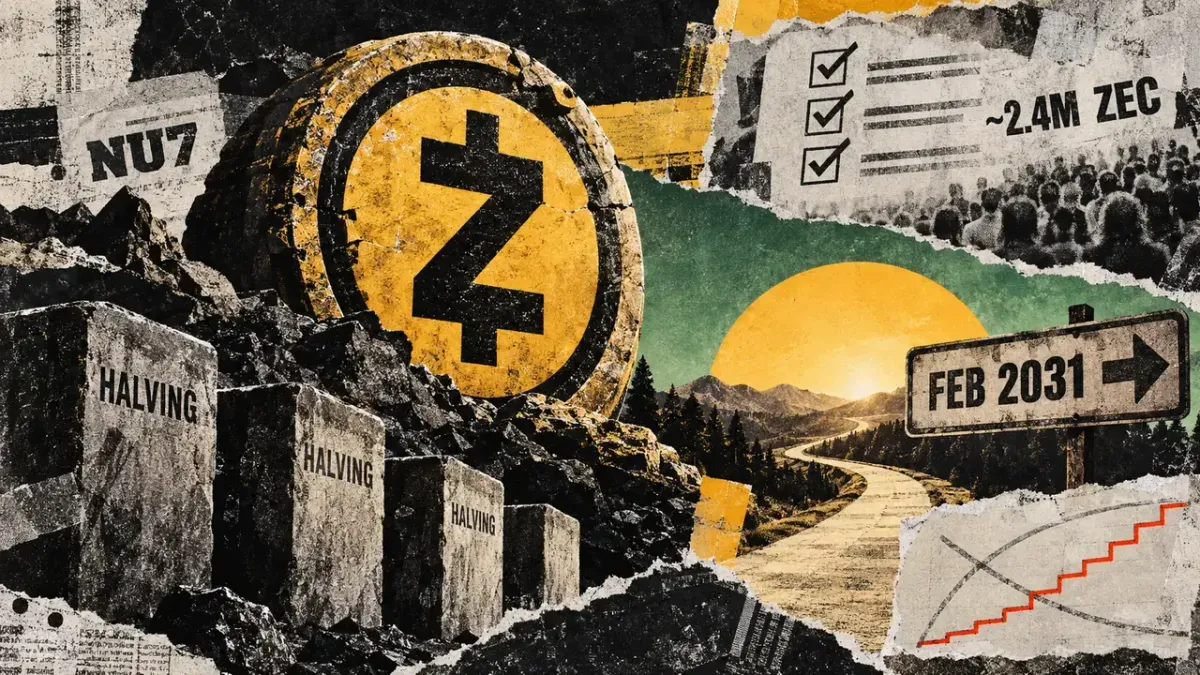
Zcash community votes to maintain halvings while delaying recycled ZEC until 2031
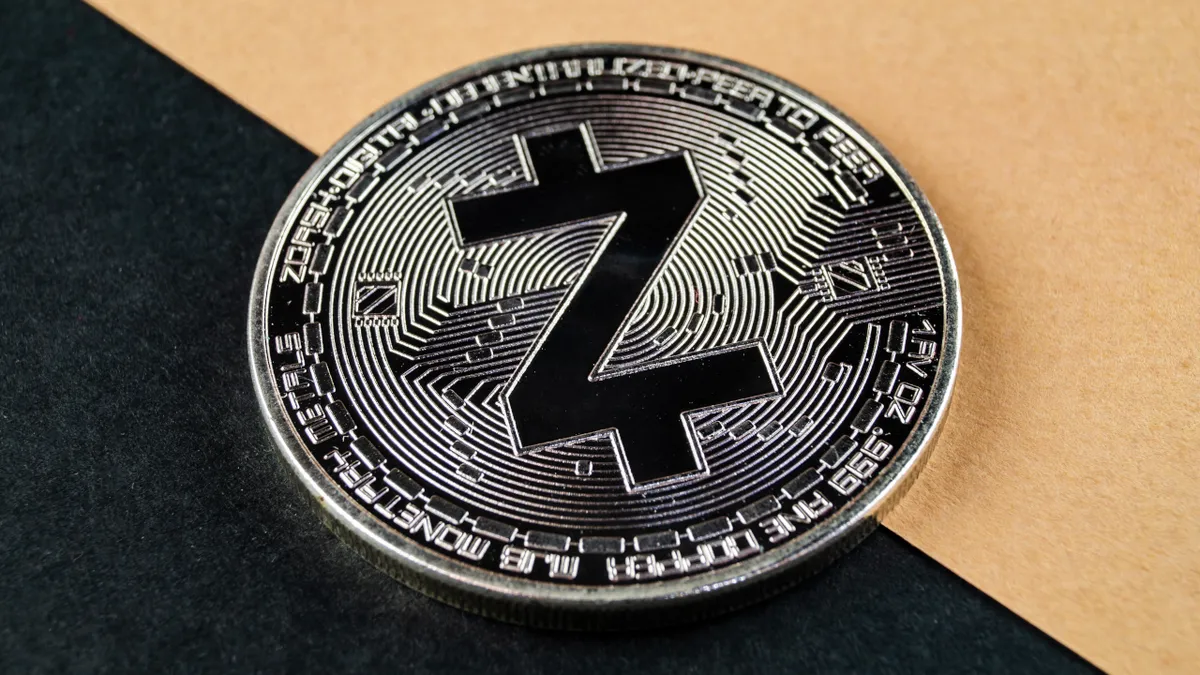
Zcash surges 168% in a month, nearing $1,400 after halving decision

Zcash miner Fortitude names former Hut 8 chief Jaime Leverton CEO ahead of Nasdaq deal
