Bitcoin futures signal caution as long-to-short ratio signals positioning shift

Recent developments in the Bitcoin futures market indicate a cautious sentiment among traders, particularly as the long-to-short ratio shows signs of a significant positioning shift. With the Federal Reserve maintaining its interest rates, Bitcoin's price has struggled to sustain momentum above its recent range highs. These factors have led to speculation about whether bearish sentiment is creeping back into the market, as traders appear to be adjusting their positions in anticipation of potential downward movement.
To understand the current landscape, it is essential to consider the broader economic context. The Federal Reserve's decision to hold interest rates steady comes amid ongoing concerns about inflation and economic stability. Historically, such decisions can impact investor confidence and risk appetite, influencing trading behaviors in volatile markets like cryptocurrency. Additionally, Bitcoin has experienced a series of price fluctuations recently, making it challenging for traders to establish a clear trend. This uncertainty is reflected in the long-to-short ratio, which indicates that many traders are preparing for a possible downturn.
The implications of this cautious positioning are significant for the crypto market. A shift toward bearish sentiment can result in increased selling pressure, potentially leading to declines in Bitcoin's price. Moreover, the long-to-short ratio serves as a barometer for market sentiment, and a rise in short positions could signal that traders are anticipating further price declines. This caution may extend beyond Bitcoin, affecting other cryptocurrencies as well, as sentiment can often ripple through the broader market.
Industry experts have weighed in on these developments, highlighting that the current state of the Bitcoin futures market reflects a broader trend of uncertainty among investors. Some analysts suggest that the hesitation to take on long positions may be a prudent response to the unpredictable nature of both the cryptocurrency and macroeconomic environments. Conversely, others argue that this cautious stance may present buying opportunities for those willing to navigate the volatility.
Looking ahead, the market will likely continue to grapple with these conflicting signals. Traders are expected to closely monitor economic indicators and Federal Reserve statements for clues about future interest rate decisions. Additionally, Bitcoin's ability to break above its range highs could reshape market sentiment and potentially trigger a shift back toward bullish positioning. As always, the crypto landscape remains dynamic, and players must remain agile to adapt to rapid changes in market conditions.

CoinMagnetic Team
Crypto investors since 2017. We trade with our own money and test every exchange ourselves.
Updated: April 2026
From our insights:
Related news

Bitcoin surges past $86,000 as $1 billion in shorts are liquidated, eyes on $90,000
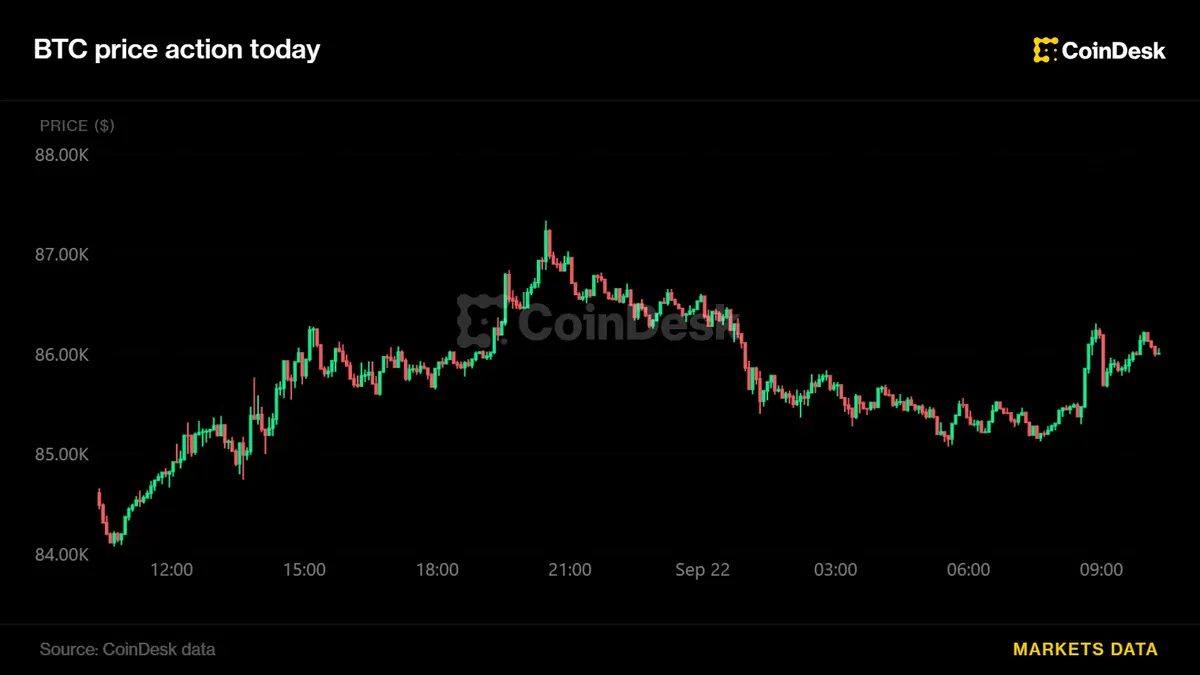
Bitcoin bounces back to $86,000 as oil prices decline and stocks rise

Prediction markets projected to reach $10 trillion by 2035, surpassing sports
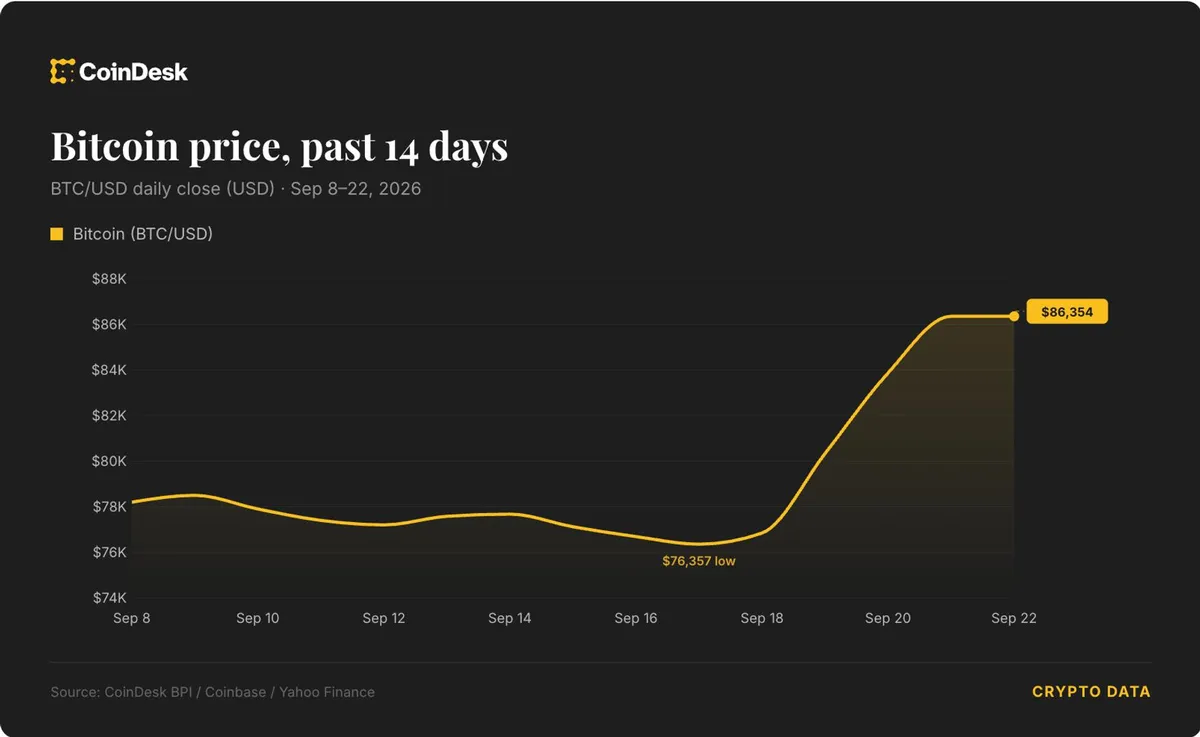
Iran hints at reopening Strait of Hormuz, WTI oil drops to $89

New altseason signal emerges as Bitcoin market cap stays under 60%