Bitcoin falls back to $76,000 as Iran shuts Hormuz again

Bitcoin has experienced a notable decline, retreating to the $76,000 mark amid geopolitical tensions arising from Iran's decision to shut down the Strait of Hormuz once again. This development comes after a brief period of optimism when the strait was reported to have reopened. The abrupt shift has caused ripples in the market, leading to one of the largest short liquidations of 2026, with bearish bets amounting to approximately $593 million being wiped out overnight. Traders are now grappling with the implications of these geopolitical events as they navigate the volatile landscape of cryptocurrency.
The Strait of Hormuz is a critical waterway for global oil transportation, with a significant portion of the world's oil supply passing through it. Iran's fluctuating stance on the strait can lead to uncertainty not just in the oil markets, but also in broader financial markets, including cryptocurrencies. The geopolitical backdrop has often served as a catalyst for Bitcoin's price fluctuations, and this latest development is no exception. As traders reacted to the news, the market sentiment shifted, reflecting heightened caution among investors.
This downturn in Bitcoin's price is significant as it underscores the interconnectedness of global events and the cryptocurrency market. The sudden drop not only highlights the vulnerabilities in crypto trading but also raises questions about how external factors, such as geopolitical tensions, can influence investor behavior. As Bitcoin has often been viewed as a hedge against traditional market instability, this situation presents a complex dynamic where investors must weigh both the digital asset's long-term potential and the immediate impacts of external crises.
Industry experts have weighed in on the recent price movements, suggesting that while the current dip may invoke concerns, it could also present buying opportunities for long-term investors. Many analysts believe that the market's reaction is somewhat overblown, considering Bitcoin's historical resilience in the face of adversity. Additionally, with the backdrop of increasing institutional interest in cryptocurrencies, some experts argue that the fundamentals supporting Bitcoin's value remain strong, even as it faces short-term challenges.
Looking ahead, market participants will be closely monitoring developments in the Middle East and their potential impact on global markets. As the situation evolves, investors may need to brace for continued volatility in the cryptocurrency space. The interplay between geopolitical tensions and market sentiment will likely remain a focal point, influencing not just Bitcoin's price but the broader cryptocurrency landscape as well. As always, vigilance and informed decision-making will be key for traders navigating this unpredictable environment.

CoinMagnetic Team
Crypto investors since 2017. We trade with our own money and test every exchange ourselves.
Updated: April 2026
From our insights:
Related news

Elon Musk's influence drives Dogecoin to highest price in months
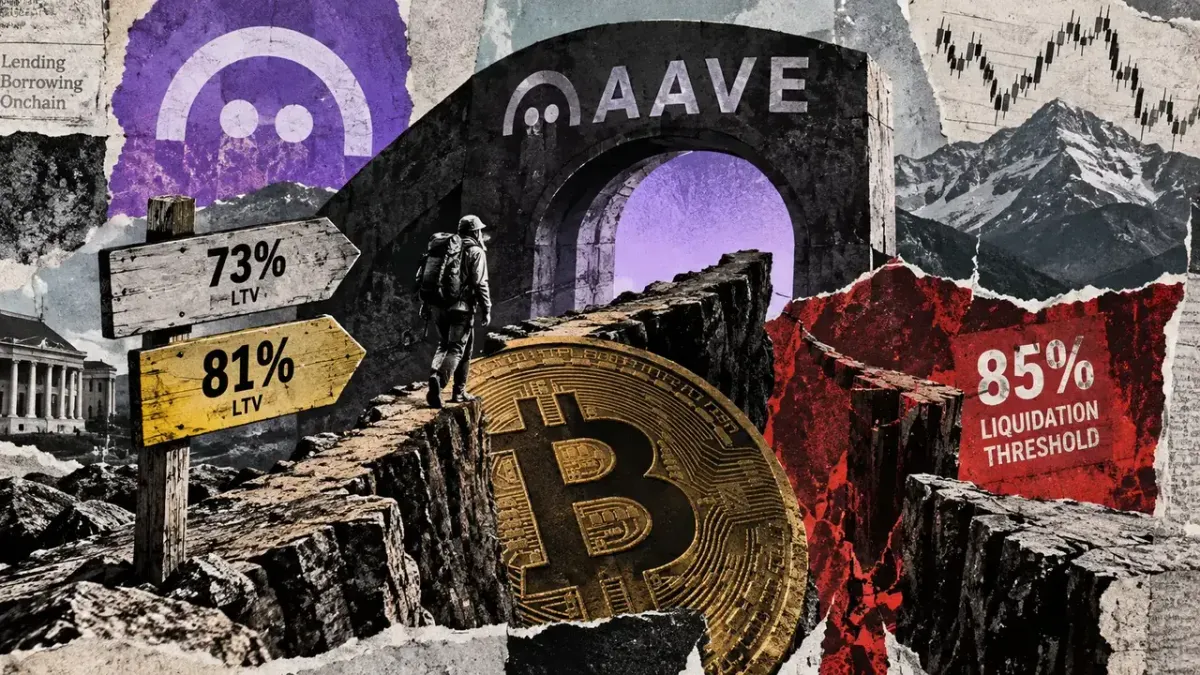
Aave's plan could expose Bitcoin loans to 4.7% price dips with higher leverage

Bitcoin price targets $86K support as oil falls under $90

GameStop possibly forfeits $31 million in Bitcoin gains from options trade

Researchers trace 1.1 million Bitcoin to early miner but Satoshi's identity remains unclear