Bitcoin capped at $75,000 as Nasdaq and S&P 500 fly to new record highs
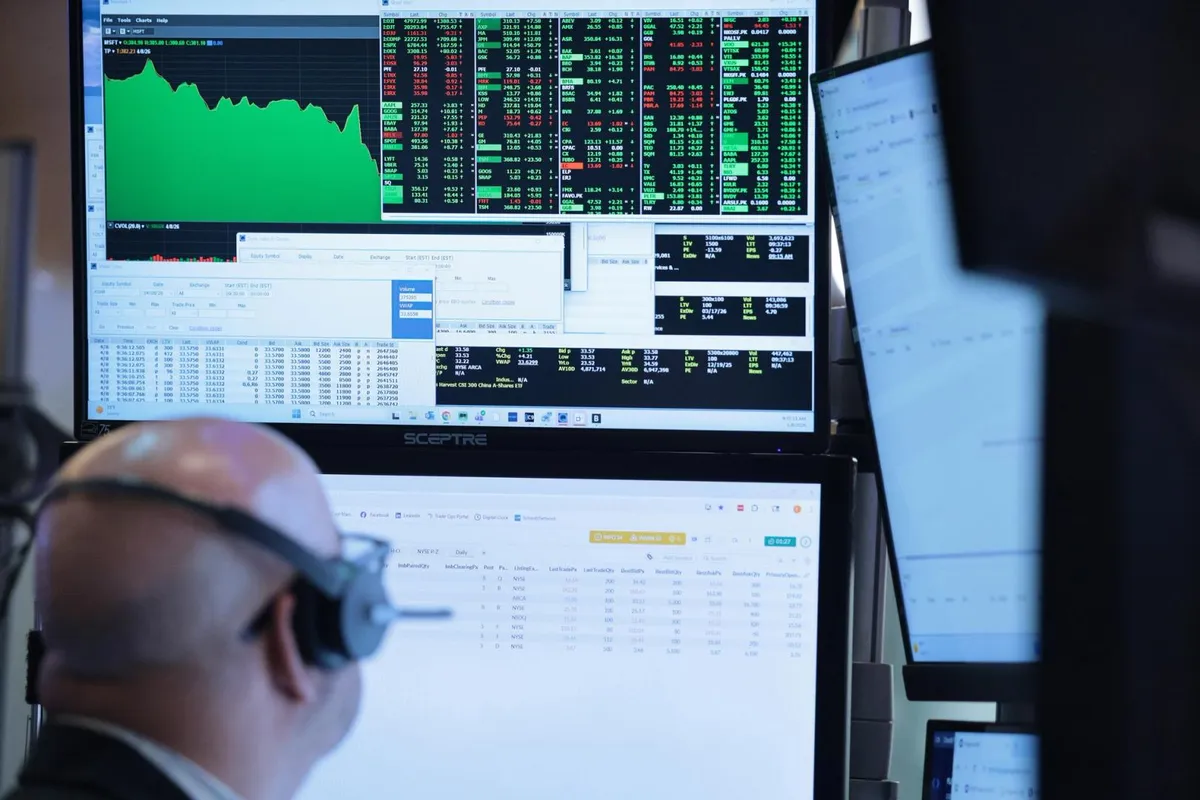
Bitcoin has recently found itself capped at $75,000, even as the Nasdaq and S&P 500 continue to soar to new record highs. This development comes amid a backdrop of heightened investor optimism, which has seen the Nasdaq rise for an impressive 11 consecutive sessions. Market participants appear to be looking beyond geopolitical tensions, such as the ongoing conflict in the Middle East, and instead are focusing on the resilience of the tech sector and its ability to drive economic growth. This juxtaposition between Bitcoin's stagnation and traditional equities' upward trajectory raises questions about the cryptocurrency's current standing in the broader financial landscape.
To understand this situation better, it is important to consider the historical context of Bitcoin's price movements and its relationship with traditional markets. Over the past few years, Bitcoin has often been viewed as a hedge against inflation and geopolitical uncertainty, attracting investors seeking refuge during tumultuous times. However, the current trend suggests that traditional equities may be regaining their allure as investors shift their focus to sectors perceived as more stable and growth-oriented. The recent rally in the Nasdaq and S&P 500 indicates a renewed confidence in corporate earnings and economic recovery, which could impact Bitcoin's appeal as an alternative asset.
This scenario matters for the market as it highlights a potential shift in investor sentiment. With Bitcoin's price stagnating at the $75,000 mark, many are questioning whether the cryptocurrency can maintain its status as a leading asset class. As traditional markets continue to thrive, Bitcoin's inability to capitalize on positive market sentiment could signal a divergence in investment strategies. Investors may begin to reevaluate their portfolios, weighing the benefits of holding Bitcoin against the opportunities presented by equities, particularly in the tech sector.
Industry reactions to this phenomenon have been mixed. Some experts believe that Bitcoin's current price cap is merely a temporary hurdle, suggesting that its long-term fundamentals remain strong. Others caution that if Bitcoin fails to break through the $75,000 resistance level soon, it could face increased selling pressure from investors looking to capitalize on gains in traditional markets. Additionally, the correlation between Bitcoin and equities may be shifting, which could lead to new dynamics in how these assets interact in the future.
Looking ahead, the key question remains whether Bitcoin can regain momentum and break through the psychological barrier of $75,000. Market participants will be closely monitoring not only Bitcoin's price movements but also the performance of traditional equities. As geopolitical tensions persist and economic indicators fluctuate, the interplay between these markets will be essential in determining Bitcoin's trajectory. Investors and analysts alike will be eager to see if Bitcoin can reassert itself as a viable alternative asset or if it will continue to lag behind its traditional counterparts.

CoinMagnetic Team
Crypto investors since 2017. We trade with our own money and test every exchange ourselves.
Updated: April 2026
From our insights:
Related news

Solo GP Jed Breed raises $15 million for his second early-stage crypto fund

Crypto industry may increase PAC spending after CLARITY vote failure

SEC's crypto counsel outlines strategy for custody of digital assets
Reap aims to enhance cross-border FX with non-USD stablecoins including peso

ECB and EU central banks propose liquidity thresholds for stablecoins