BIS warns cryptocurrency exchanges are becoming ‘shadow banks,’ and why that's a risk

The Bank for International Settlements (BIS) has raised significant concerns regarding the evolving landscape of cryptocurrency exchanges, describing them as potential "shadow banks." In a recent report, the BIS highlighted that the yields offered by stablecoins and decentralized finance (DeFi) “earn” products are increasingly mimicking traditional banking services, yet they lack essential safeguards and regulatory oversight. This characterization of crypto platforms as shadow banks underscores the risks associated with these financial products, particularly in terms of investor protection and systemic stability.
To provide context, the term "shadow banking" refers to financial entities and activities that operate outside the traditional banking system while performing similar functions. Over the past few years, the rise of cryptocurrencies and DeFi platforms has blurred the lines between traditional finance and innovative digital alternatives. Many investors have flocked to these platforms, attracted by high yields and the promise of decentralization. However, this rapid growth has outpaced regulatory frameworks, leaving a gap in consumer protections and risk management that the BIS is now cautioning against.
The implications of this warning for the cryptocurrency market are profound. As the BIS identifies these exchanges and DeFi products as potential risks, it raises questions about their sustainability and the trust of investors. If investors perceive these platforms as risky or unstable, it could lead to a shakeout in the market, with a potential exodus of capital. Furthermore, the BIS's warning could prompt regulators worldwide to take a closer look at how these platforms operate, potentially leading to increased scrutiny and regulation, which could further impact market dynamics.
Industry reactions have been mixed, with some experts acknowledging the importance of the BIS's warnings while others argue that the traditional banking system also has its share of risks. Proponents of DeFi emphasize the innovative aspects of these platforms, arguing that they provide financial services to underserved populations and foster financial inclusion. However, critics contend that without proper regulation, the risks associated with such products may outweigh their benefits. As discussions around regulatory frameworks continue, the industry is keenly aware that the actions taken in response to these warnings could shape the future landscape of cryptocurrency and DeFi.
Looking ahead, it is clear that the conversation around the regulation of cryptocurrency exchanges and DeFi products is far from over. As the BIS report continues to circulate, it may catalyze further dialogue among policymakers, financial institutions, and industry leaders. The focus will likely shift toward establishing robust regulatory frameworks that can mitigate risks while preserving innovation. As this unfolds, stakeholders in the cryptocurrency ecosystem will need to navigate the evolving landscape carefully, balancing growth opportunities with the need for security and investor protection.

CoinMagnetic Team
Crypto investors since 2017. We trade with our own money and test every exchange ourselves.
Updated: April 2026
From our insights:
Related news

Solstice CEO predicts less volatile future for crypto cycles amid liquidity growth

Pragma flags 6 price feeds as critical risk following $3.5M Starknet lending exploit
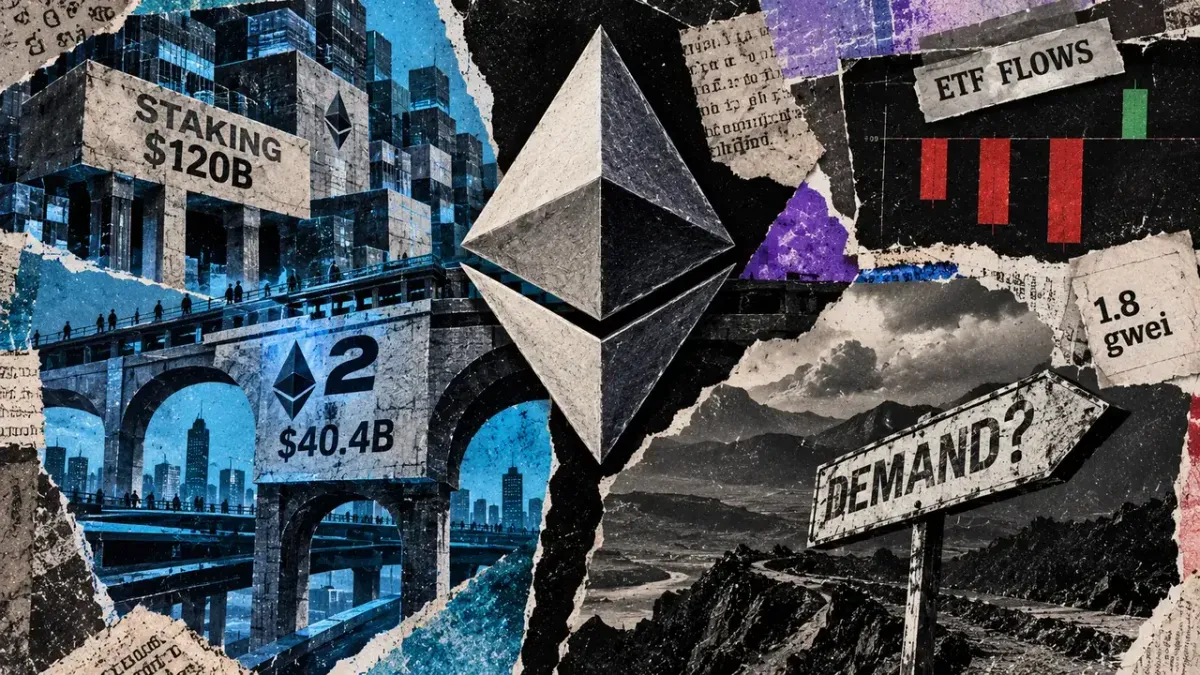
Ethereum's $120 billion in staking masks underlying supply dynamics

NEAR price surges 80% weekly as Intents volume approaches $30 billion
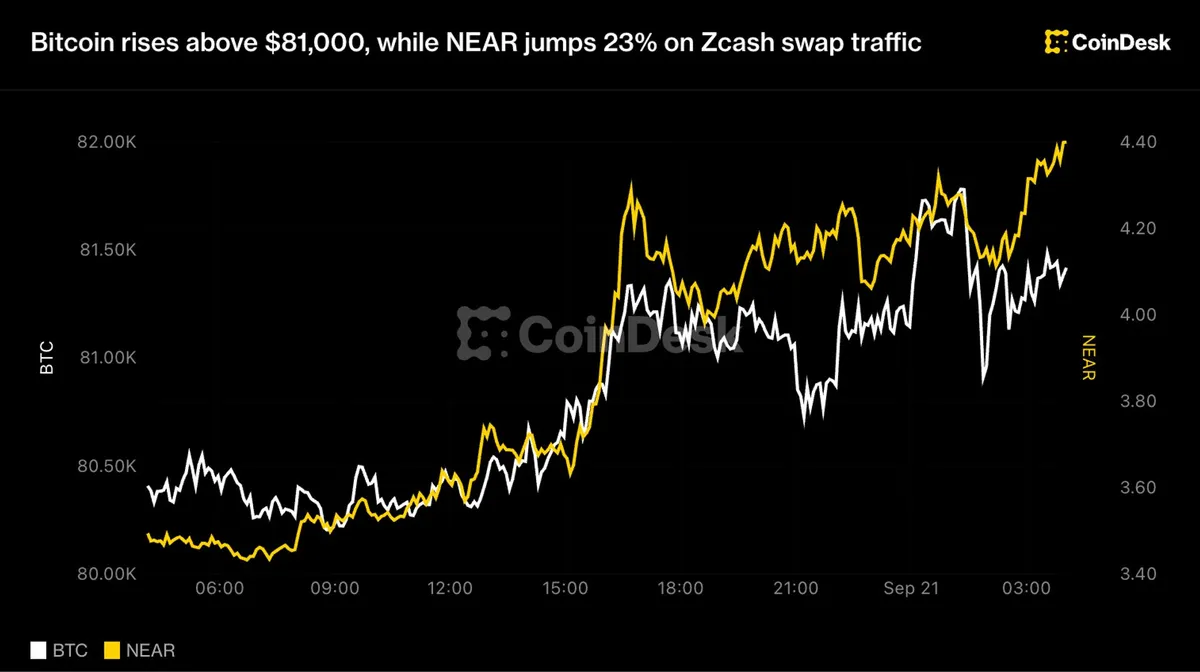
Bitcoin surpasses $81,000 as NEAR surges 23% amid Zcash swap activity