Banks push to slow stablecoin law as Agora races for charter

Recent developments have emerged in the ongoing discourse surrounding stablecoin legislation in the United States. A coalition of U.S. banks is actively seeking to delay the passage of landmark legislation aimed at regulating stablecoins, which are digital currencies pegged to traditional assets like the U.S. dollar. This push for a delay comes at a critical juncture as crypto firms, notably Agora, are racing to secure a banking charter that would allow them to operate with a level of regulatory compliance akin to traditional financial institutions. The tension between traditional banks and emerging crypto entities highlights the complexities of integrating digital currencies into the broader financial ecosystem.
To understand the significance of this pushback from banks, we must consider the historical context of stablecoins. These digital assets have gained traction over the past few years, driven by their potential to facilitate faster transactions and provide stability in the otherwise volatile crypto market. However, concerns regarding consumer protection, regulatory oversight, and the potential for financial instability have prompted lawmakers to propose comprehensive regulations. Banks, traditionally wary of competition from crypto firms, are likely motivated by the desire to maintain their market dominance and ensure that any regulations do not undermine their existing business models.
The implications of this legislative tug-of-war are profound for the cryptocurrency market. If banks succeed in delaying the stablecoin regulations, it could prolong the uncertainty surrounding the operational landscape for crypto firms. This uncertainty may hinder innovation and investment in the sector, as companies grapple with regulatory ambiguity. Conversely, if the legislation progresses as planned, it could pave the way for a more regulated and stable environment for stablecoins, ultimately enhancing consumer confidence and encouraging broader adoption.
Industry reactions to this development have been mixed. On one hand, crypto advocates argue that the push to delay regulations reflects the banks' fear of losing control over the financial landscape to innovative technologies. They believe that a clear regulatory framework could foster growth in the crypto sector while protecting consumers. On the other hand, some banking representatives express concerns that rushed legislation could lead to unintended consequences, such as increased risks to the financial system. This divide highlights the ongoing struggle between traditional financial institutions and the rapidly evolving world of digital currencies.
Looking ahead, the trajectory of stablecoin legislation will likely depend on the balance of power between banks and crypto firms. As Agora and similar companies continue to seek charters, they may serve as a catalyst for change, compelling traditional banks to adapt to the new realities of the financial landscape. The outcome of this legislative battle will not only shape the future of stablecoins but also determine how traditional finance and digital currencies can coexist in an increasingly digital world.

CoinMagnetic Team
Crypto investors since 2017. We trade with our own money and test every exchange ourselves.
Updated: April 2026
From our insights:
Related news

Reap aims to enhance cross-border FX with non-USD stablecoins including peso
ECB and EU central banks propose liquidity thresholds for stablecoins
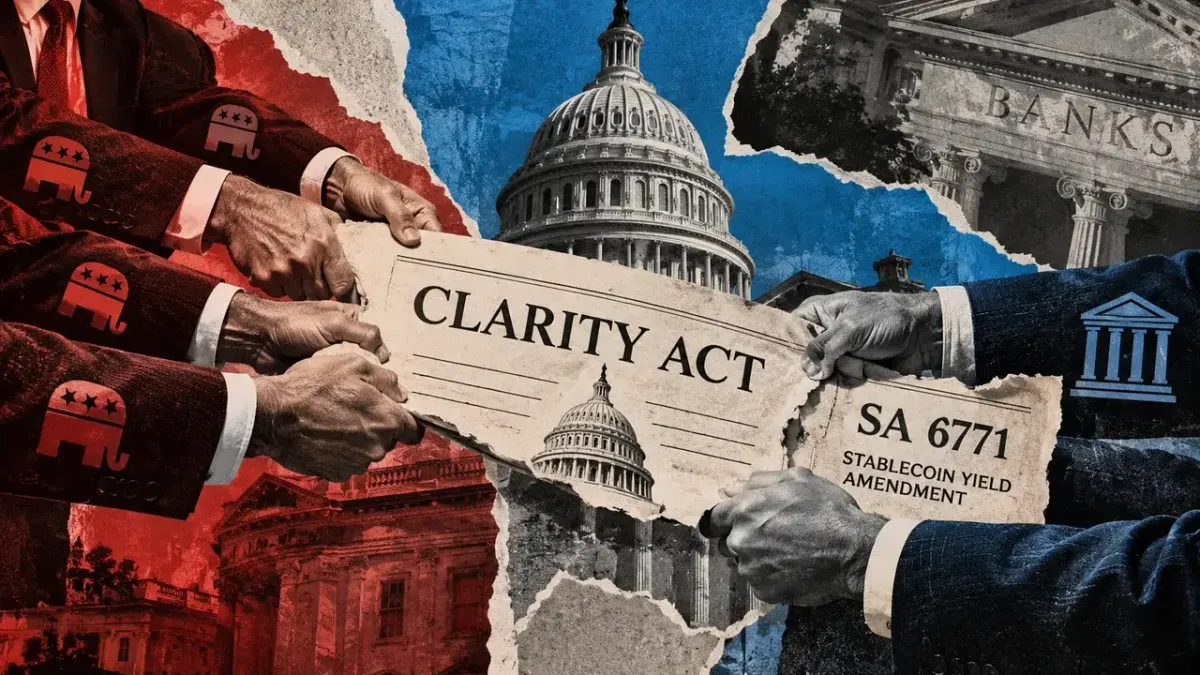
Four GOP senators backing CLARITY Act seek changes to stablecoin provisions
US investigates Binance for potential Iran-linked trading violations
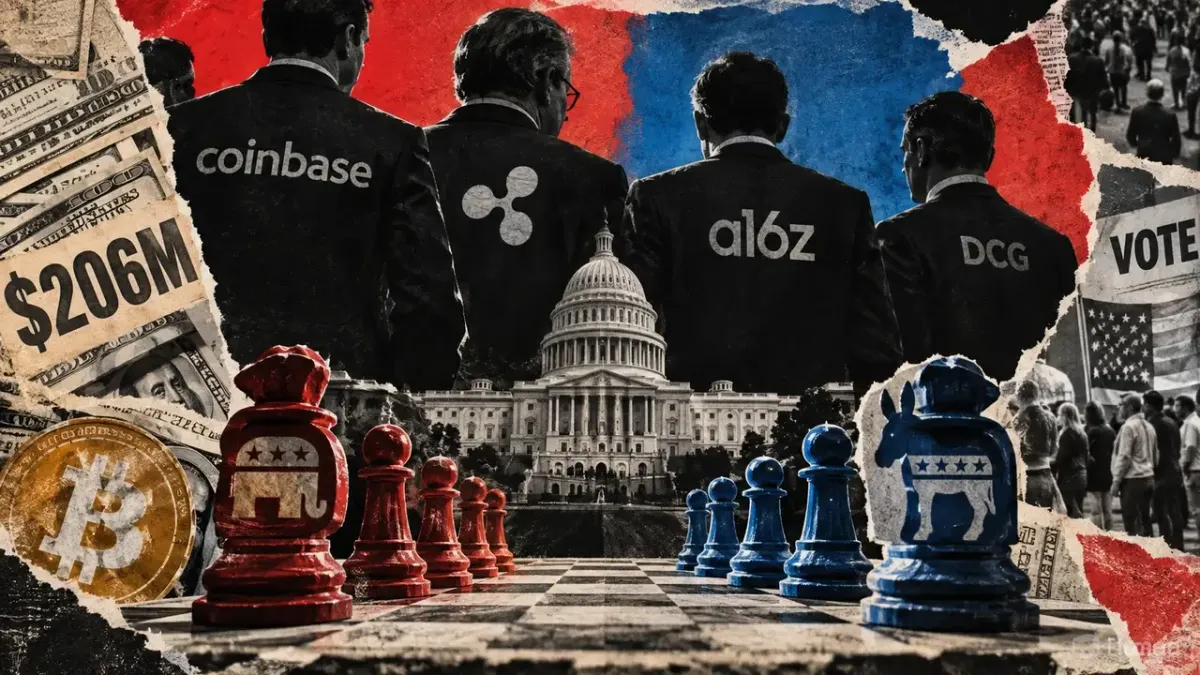
Crypto sector emerges as top donor with $206 million in midterms backing