A new narrative for bitcoin that will last

In a recent discussion on the evolving narrative surrounding Bitcoin, expert analyst Blume has put forth a compelling argument that suggests a more sustainable framing for the cryptocurrency. According to Blume, while many pundits have attempted to define Bitcoin through various lenses–be it a digital gold, a medium of exchange, or a speculative asset–his perspective offers a clearer, more realistic view that he believes will endure over time. This new narrative emphasizes Bitcoin's potential as a long-term store of value and a hedge against inflation, highlighting its unique properties that set it apart from traditional financial assets.
To understand the significance of Blume's insights, it's essential to consider the historical context of Bitcoin's narrative. Since its inception in 2009, Bitcoin has undergone a series of transformations in how it is perceived by investors, regulators, and the general public. Initially touted as a revolutionary currency, its volatility and association with illicit activities led to skepticism. Over the years, however, it has gained traction as an alternative investment, especially during periods of economic uncertainty. Blume’s framing seeks to encapsulate this journey while steering clear of the often sensationalized rhetoric that accompanies discussions about Bitcoin.
The implications of Blume's viewpoint extend beyond mere semantics; they could reshape how investors approach the market. As Bitcoin increasingly finds its footing as a legitimate asset class, a more stable narrative could attract institutional investors and traditional financial players who have been hesitant to engage with cryptocurrencies. This shift may lead to increased adoption and a more mature market, potentially stabilizing price fluctuations that have historically plagued Bitcoin and its counterparts.
Reactions from industry experts have been mixed, with some praising Blume's narrative for its clarity and potential to resonate with a broader audience. Others, however, caution against oversimplifying a complex asset like Bitcoin. Many argue that while the store-of-value narrative is compelling, it might not capture the full spectrum of Bitcoin's utility. Industry insiders suggest that a multifaceted approach, recognizing Bitcoin’s various roles, may be more beneficial in the long run.
Looking ahead, it will be interesting to see how this new narrative will influence Bitcoin's trajectory in an ever-evolving market. As more voices join the conversation and the landscape shifts, the durability of Blume's framing will be tested. Will it hold firm against the cyclical nature of market sentiment, or will it adapt as new challenges and opportunities arise? The coming months will be pivotal in determining whether this narrative will indeed have the staying power that Blume envisions.

CoinMagnetic Team
Crypto investors since 2017. We trade with our own money and test every exchange ourselves.
Updated: May 2026
From our insights:
Related news

SoFi begins stablecoin settlement on Mastercard network for program expected to exceed $25 billion in annualized volume

A $3.2 million 'bitcoin butterfly' option trade bets on $95,000 by the end of October
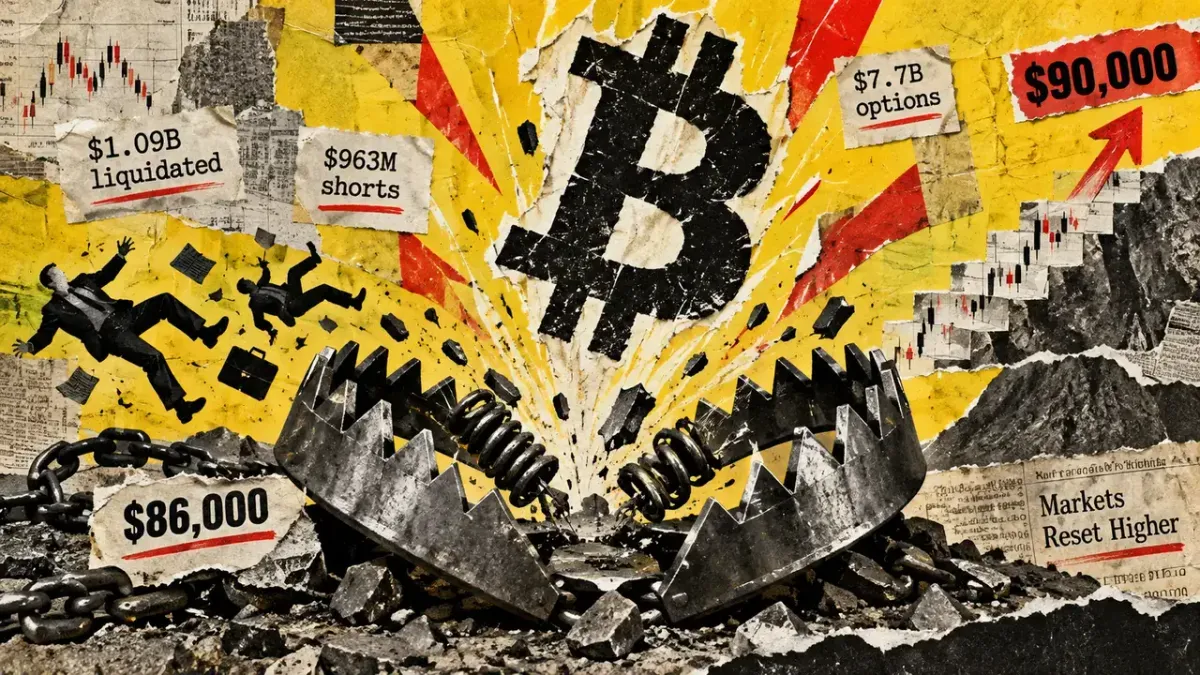
Bitcoin surges past $86,000 as $1 billion in shorts are liquidated, eyes on $90,000
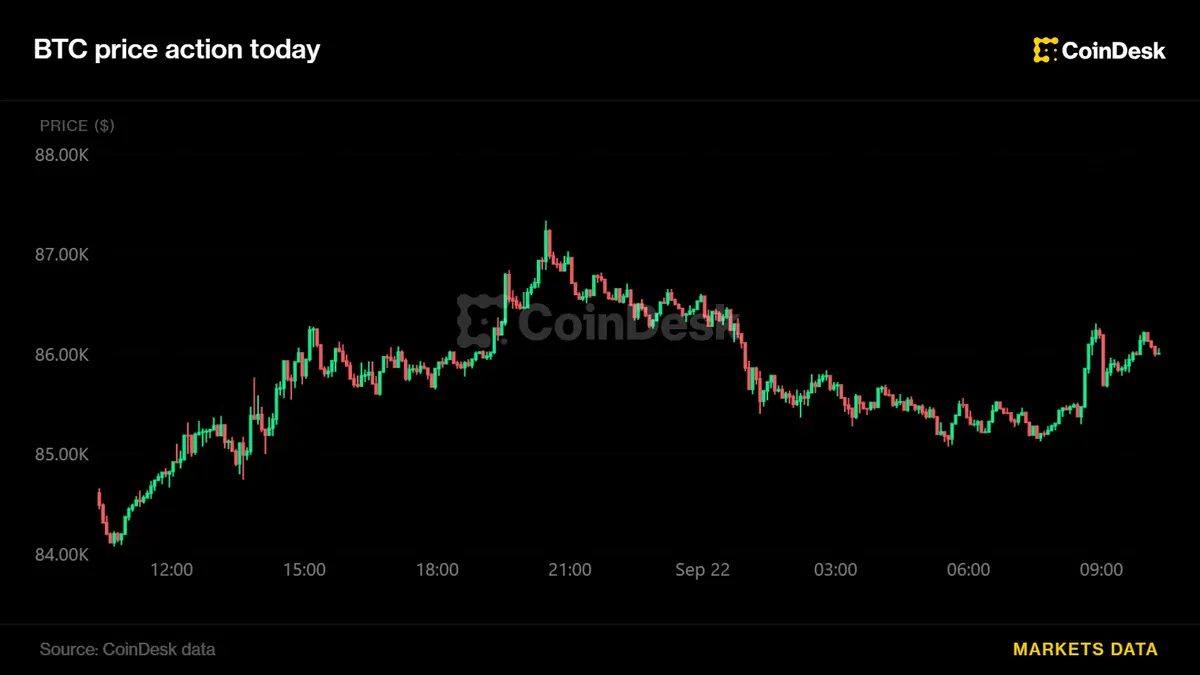
Bitcoin bounces back to $86,000 as oil prices decline and stocks rise

Prediction markets projected to reach $10 trillion by 2035, surpassing sports