التنظيممحايد
US prosecutors reject Tornado Cash co-founder‘s argument for dismissal
المصدر: Cointelegraph
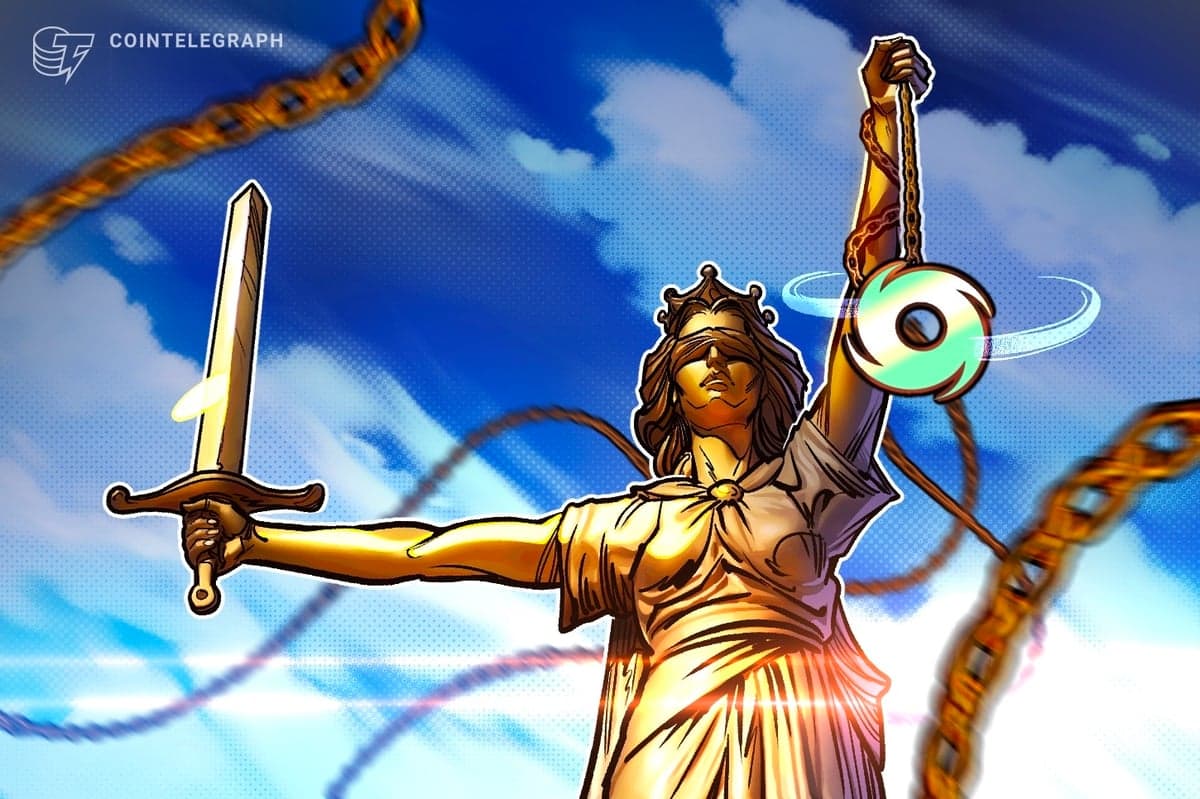
US prosecutors have recently rejected the argument put forth by Roman Storm, the co-founder of the controversial crypto mixing service Tornado Cash, for the dismissal of charges against him. Storm's defense team had contended that the charges should be dropped, citing insufficient evidence and legal grounds. However, the prosecution maintains that the case merits further examination, especially after a jury's inability to reach a definitive verdict in 2025. This ongoing legal battle underscores the complexities involved in regulating crypto-related activities, particularly those that facilitate privacy and anonymity.
Tornado Cash has been at the center of regulatory scrutiny due to its role in enhancing user privacy by mixing cryptocurrencies to obscure their origin. Launched in 2019, the platform attracted significant attention for its utility in providing anonymity for various transactions. However, it also drew criticism for being used in illicit activities, leading to sanctions imposed by the US Treasury Department in 2022. The case against Storm and Tornado Cash represents a pivotal moment in the ongoing discourse surrounding the balance between privacy rights in the crypto space and the need for regulatory oversight to prevent illicit activities.
The implications of this case extend beyond just the individuals involved; it signifies a broader concern for the cryptocurrency market regarding regulatory frameworks. As authorities ramp up their efforts to control and supervise crypto transactions, the outcomes of trials like Storm's could set precedents that influence future legislation and enforcement actions. Investors and industry participants are closely monitoring the developments, as any significant ruling could impact the perceived legitimacy of privacy-focused platforms and the willingness of developers to innovate in this space.
Industry experts have expressed mixed reactions to the prosecution's stance. Some argue that holding developers accountable for the tools they create could stifle innovation and push legitimate projects underground, while others believe that strong regulatory measures are essential to maintain the integrity of the financial system. The case has ignited debates about the responsibility of developers and the ethical implications of creating technology that can be used for both positive and negative purposes.
Looking ahead, the next steps for Storm involve navigating the complexities of a potential retrial, which could further complicate the legal landscape for Tornado Cash and similar services. As the case unfolds, it will be crucial for the crypto community to engage in discussions about the balance between privacy and regulation, ensuring that the development of technology does not come at the cost of facilitating illegal activities. The outcome of this case may shape the future of not only Tornado Cash but also the broader industry’s approach to privacy and compliance.
فريق CoinMagnetic
مستثمرون في العملات الرقمية منذ عام 2017. أموالنا في اللعبة – نختبر كل منصة بأنفسنا.
تحديث: أبريل ٢٠٢٦