التنظيمهابط
The world’s central banks are now treating stablecoins like a real multi-trillion dollar monetary threat
المصدر: CryptoSlate
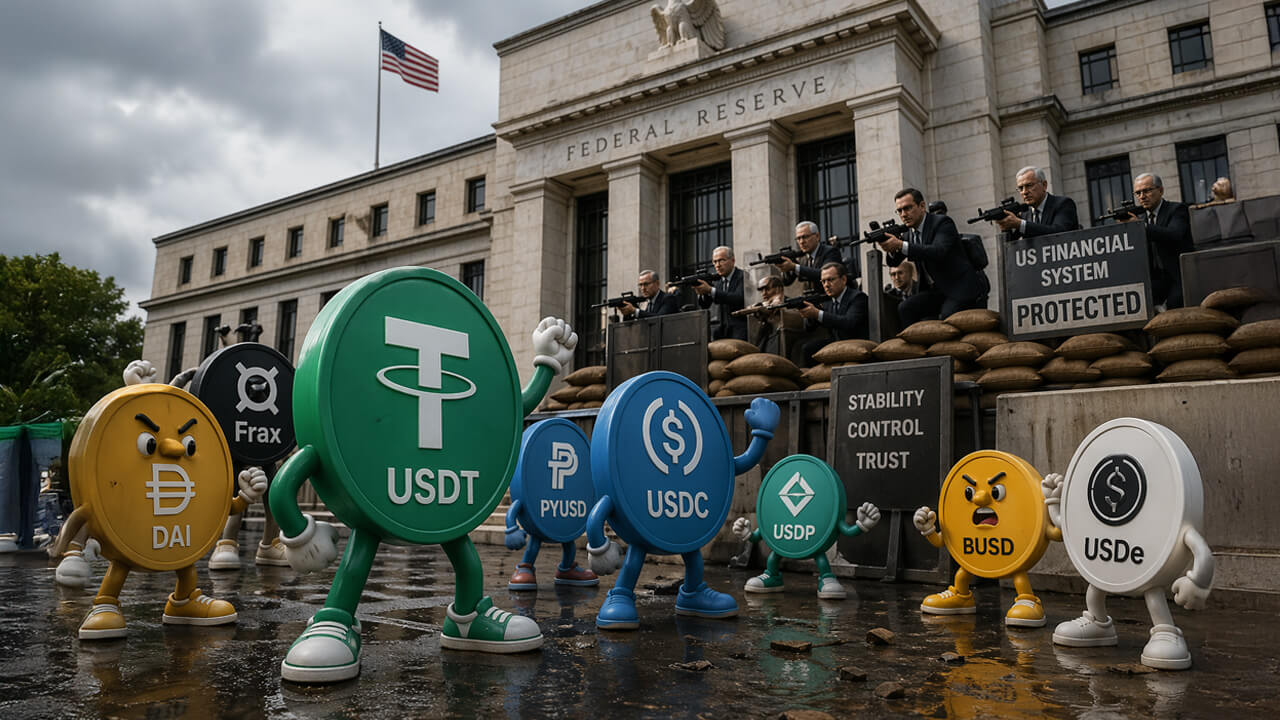
Recently, central banks around the globe have shifted their focus regarding stablecoins from debating their potential risks to acknowledging them as significant monetary players that require careful regulation. Pablo Hernandez de Cos, the General Manager of the Bank for International Settlements (BIS), emphasized the need for global cooperation in addressing the implications of stablecoins. His remarks, made on April 20, highlight a growing consensus among financial authorities that the rise of stablecoins poses real challenges to traditional monetary systems and regulatory frameworks. The BIS is urging countries to collaborate on creating a cohesive approach to governing these digital assets, which are increasingly seen as a multi-trillion dollar market.
The context surrounding this shift in perspective stems from the rapid growth of stablecoins, which are designed to maintain a stable value by pegging them to traditional assets like fiat currencies or commodities. The past few years have seen a surge in their adoption, driven by increased interest from both retail and institutional investors. As stablecoins become more integrated into the financial ecosystem, concerns about their potential impact on monetary policy, financial stability, and consumer protection have come to the forefront. Central banks, which once viewed these digital assets as niche products, are now recognizing that stablecoins can significantly influence the broader financial landscape.
This recognition carries substantial implications for the cryptocurrency market and traditional finance alike. As central banks begin to treat stablecoins as serious contenders in the monetary arena, the regulatory landscape is likely to evolve significantly. Increased scrutiny may lead to tighter regulations that could affect how stablecoins operate and how they are issued. This could create a more challenging environment for existing stablecoin issuers but may also pave the way for more robust frameworks that enhance trust and stability in the market. Investors and stakeholders will need to stay vigilant as these developments unfold, as they may impact the overall sentiment around cryptocurrencies.
Industry reactions have been varied, with some experts welcoming the call for regulation as an opportunity to legitimize stablecoins and foster innovation, while others express concern about potential overreach that could stifle growth. Many in the crypto community argue that regulatory clarity is essential for the long-term success of stablecoins, as it can provide the necessary framework within which these digital assets can thrive while ensuring consumer protection. However, there are apprehensions that overly stringent regulations might limit the flexibility and adaptability that have characterized the crypto space, potentially hindering its growth.
Looking ahead, the conversation around stablecoins will likely intensify as central banks and regulatory bodies continue to grapple with their implications. We expect to see more discussions at international forums, as well as the development of collaborative frameworks aimed at addressing the complexities posed by stablecoins. How these entities choose to regulate stablecoins will have a lasting impact not only on the cryptocurrency market but also on the broader financial system, shaping the future of digital currencies and their role in the global economy. As this situation evolves, stakeholders across the financial landscape will need to adapt to the changing dynamics and prepare for whatever regulatory outcomes may arise.
CM
فريق CoinMagnetic
مستثمرون في العملات الرقمية منذ عام 2017. أموالنا في اللعبة – نختبر كل منصة بأنفسنا.
تحديث: أبريل ٢٠٢٦
من تحليلاتنا: