السوقمحايد
The $145 billion math: Why bitcoin’s quantum threat is manageable, not existential
المصدر: CoinDesk
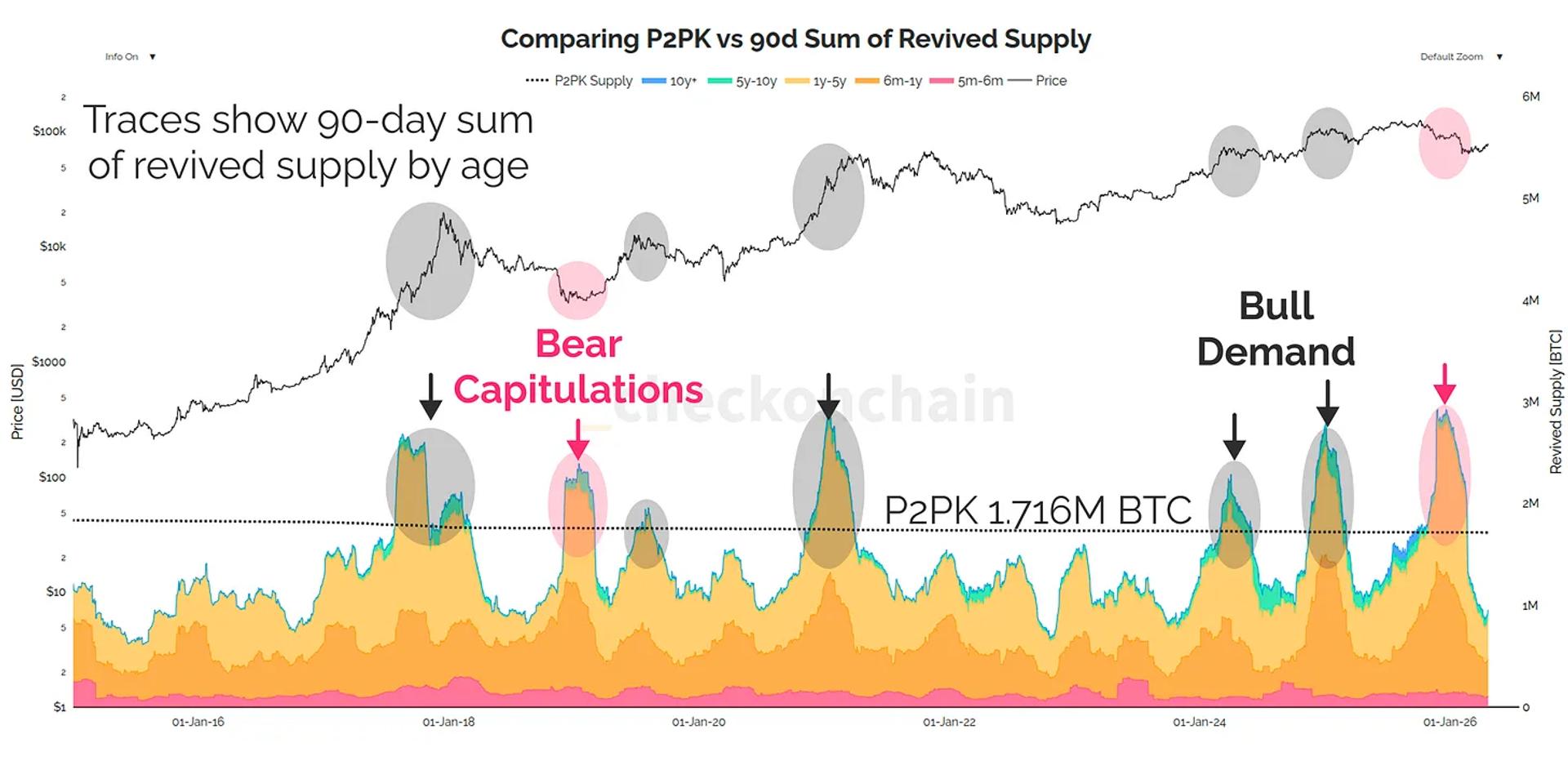
Recent discussions surrounding the potential impact of quantum computing on Bitcoin have raised concerns, particularly focusing on the vulnerabilities of early wallets. This has sparked fears that quantum technology could lead to significant disruptions in the cryptocurrency market, potentially undermining the security of Bitcoin and other cryptocurrencies. However, a detailed analysis suggests that while quantum threats are real, they are manageable and not as catastrophic as some might believe. Market data indicates that even in a worst-case scenario, the consequences of a quantum attack would likely result in large, but not existential, sell-offs.
To understand this perspective, it is crucial to consider the context of Bitcoin's technology and its evolution. Bitcoin was designed with various cryptographic measures to secure transactions and wallets. As quantum computing technology advances, some of these cryptographic methods face vulnerabilities. Specifically, the public key infrastructure that underpins Bitcoin's security could be susceptible to quantum algorithms, potentially allowing malicious actors to access funds stored in early wallets. However, the Bitcoin network is continually evolving, and developers are already exploring quantum-resistant solutions that could protect against these threats.
This analysis matters significantly for the market as it addresses the concerns of investors and enthusiasts who may be skittish about the implications of quantum computing. While the fear of a massive sell-off driven by quantum threats can create volatility, understanding that the repercussions are likely to be contained helps stabilize sentiment. The cryptocurrency market is known for its resilience, and the ability to adapt to technological changes is one of its strong points. By recognizing that the potential fallout from quantum threats is manageable, investors can maintain a more rational perspective on market dynamics.
Industry experts have weighed in on this topic, emphasizing the importance of continued research and development in quantum-resistant technologies. Many believe that while the potential for quantum attacks exists, the Bitcoin community has a track record of addressing challenges through innovation. Additionally, experts suggest that the transition to quantum-resistant protocols could be a gradual process, allowing time for users to adapt and for the market to stabilize. This proactive approach helps to mitigate fears surrounding quantum threats and reinforces confidence in the future of Bitcoin.
Looking ahead, the industry’s focus will likely shift towards implementing advanced cryptographic measures that can withstand quantum attacks. As the technology behind quantum computing progresses, we expect to see increased collaboration among developers, researchers, and stakeholders to enhance Bitcoin's security. This proactive stance will not only fortify the network against potential threats but also contribute to the overall maturation of the cryptocurrency ecosystem, ensuring that it remains resilient in the face of emerging technologies.
CM
فريق CoinMagnetic
مستثمرون في العملات الرقمية منذ عام 2017. أموالنا في اللعبة – نختبر كل منصة بأنفسنا.
تحديث: أبريل ٢٠٢٦
من تحليلاتنا: