التنظيمهابط
Playdate Gaming Handheld Maker Bans Generative AI Tools for Development
المصدر: Decrypt
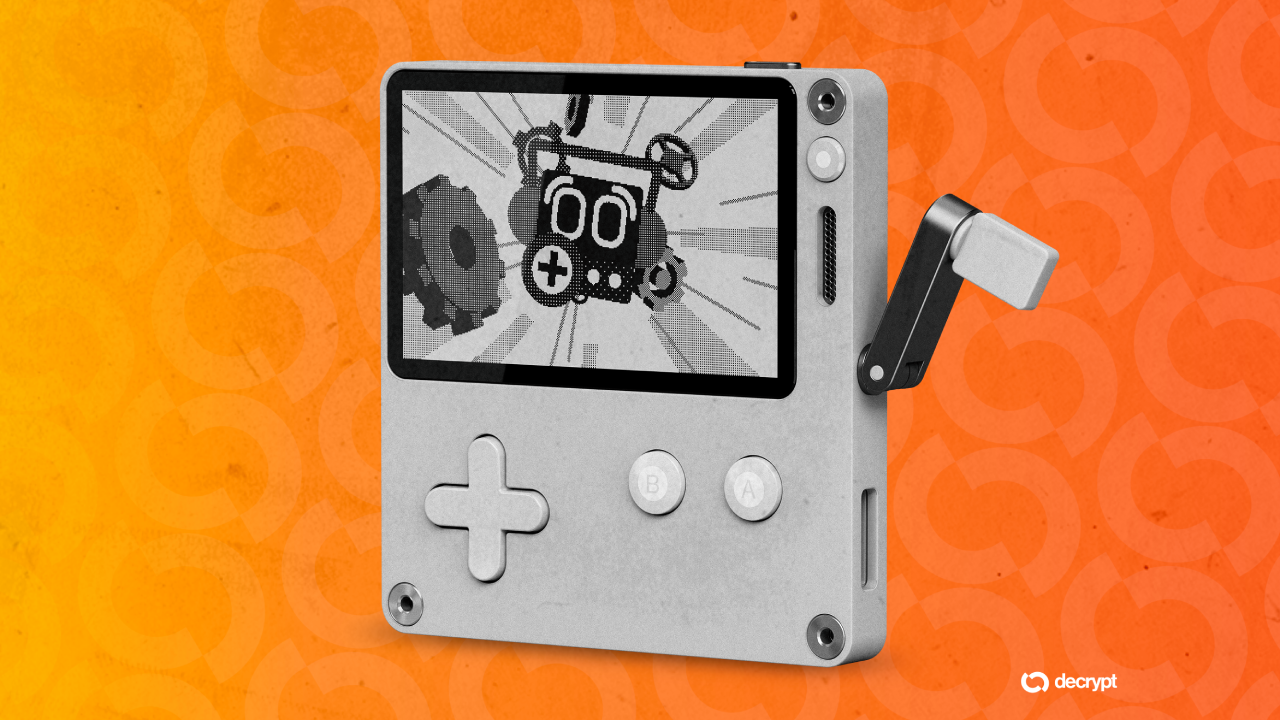
Panic, the company known for its quirky handheld gaming device, the Playdate, has recently announced a significant policy shift regarding the use of generative AI tools in game development. While the firm is keen on preserving the productivity of developers, it has drawn a line when it comes to the use of AI applications that can generate creative content. This decision has raised eyebrows within the gaming community and among developers who have embraced AI as a tool to enhance the creative process. Panic's stance signals a cautious approach towards the incorporation of AI in the gaming industry, emphasizing the importance of originality and human creativity.
To understand this decision, it’s essential to consider the context of the gaming industry’s evolving landscape. Over the past few years, generative AI tools have gained traction, with many developers leveraging these technologies to streamline their workflows and enhance creative output. From generating artwork to composing music and even writing dialogue, AI has shown potential in various facets of game development. However, concerns about originality and the implications of relying too heavily on AI-generated content have led some companies to adopt more conservative policies.
The implications of Panic's ban on generative AI tools extend beyond its own developers and could ripple through the broader market. As more companies contemplate the balance between leveraging AI capabilities and maintaining creative integrity, Panic’s decision may set a precedent that could influence how other gaming firms approach the integration of AI in their development processes. This move could potentially inspire a more cautious attitude towards AI in gaming, especially among indie developers and smaller studios that may prioritize creative identity over productivity efficiency.
Industry reactions to Panic's announcement have been mixed. Some experts and developers applaud the move as a stand for creativity and originality, arguing that the unique charm of games like Playdate stems from human ingenuity rather than algorithmic generation. Others, however, express concern that restricting AI tools could hinder innovation and slow down development processes, especially for indie developers who often rely on these technologies to compete in a crowded market. This debate highlights the ongoing tension between preserving creative authenticity and embracing technological advancements that could enhance game development.
Looking ahead, it will be interesting to see how this policy affects Panic's relationships with developers and whether it will inspire similar moves from other gaming companies. The gaming community is known for its adaptability, and as generative AI continues to evolve, it’s likely that developers will seek ways to integrate these tools while also respecting the creative process. As the conversation around AI in gaming continues, we may witness a shift in how the industry navigates the balance between technology and artistry, paving the way for new standards and practices.
CM
فريق CoinMagnetic
مستثمرون في العملات الرقمية منذ عام 2017. أموالنا في اللعبة – نختبر كل منصة بأنفسنا.
تحديث: أبريل ٢٠٢٦
من تحليلاتنا: