التنظيمهابط
OpenAI Sued Over Failure to Warn Police Before Tumbler Ridge Mass Shooting
المصدر: Decrypt
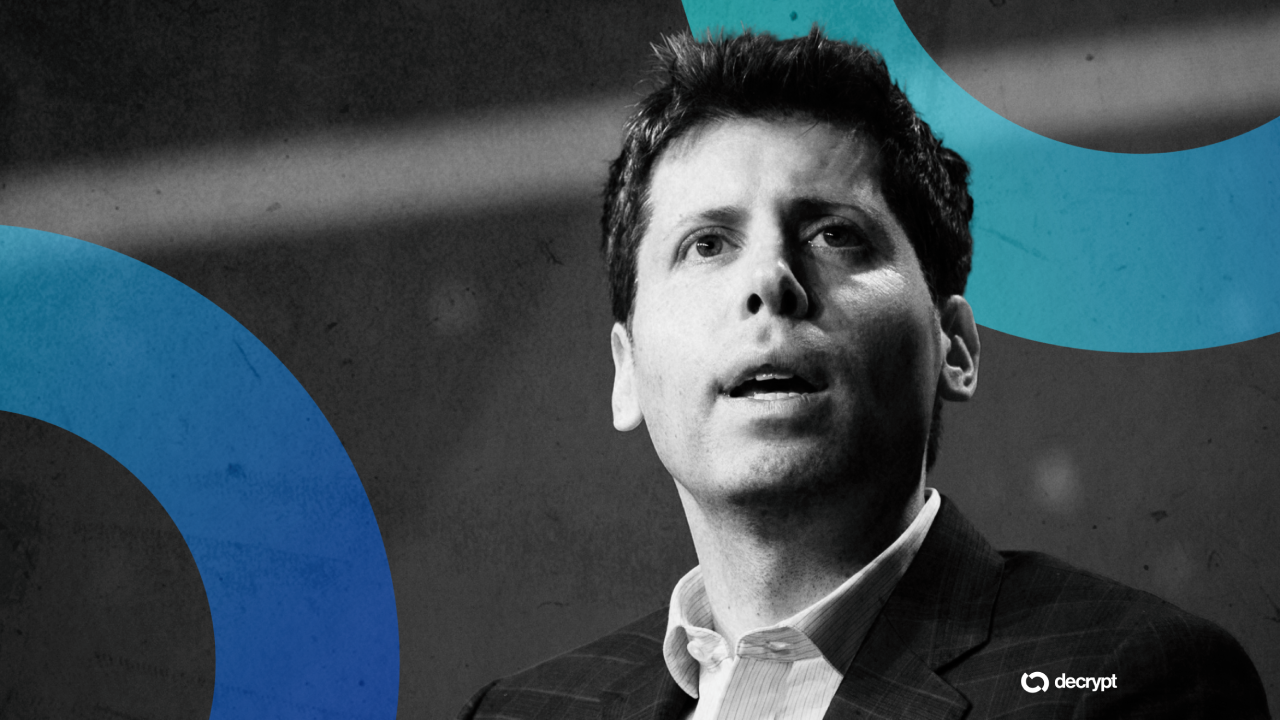
A California lawsuit has emerged against OpenAI, the company behind the popular AI language model ChatGPT, following a tragic mass shooting in Tumbler Ridge, British Columbia. The suit claims that OpenAI failed to alert law enforcement about potential violent threats made by the shooter, raising important questions about the responsibilities that AI companies may have in monitoring and reporting threats generated through their platforms. The case is likely to set a significant legal precedent regarding the accountability of AI developers in relation to the actions of users who might exploit their technologies for harmful purposes.
The background of this case reveals a growing concern regarding the intersection of artificial intelligence and public safety. As AI technologies become more integrated into everyday life, the potential for misuse has escalated. Previous cases have highlighted the ethical dilemmas faced by AI developers, but this lawsuit brings a specific legal challenge: whether these companies bear a duty to monitor and report violent intentions expressed by users. As AI systems are increasingly used for communication and information dissemination, the implications of this lawsuit could reshape how companies approach user-generated content and its associated risks.
This lawsuit is particularly significant for the market because it could lead to stricter regulations and legal responsibilities for AI companies. If the court finds that OpenAI does have a duty to warn law enforcement of potential threats, it may pave the way for other jurisdictions to impose similar obligations on tech companies. This could lead to increased operational costs for AI firms, as they might need to implement more robust monitoring systems to ensure compliance with potential legal requirements. Investors and stakeholders in the AI sector are closely watching this case, as its outcomes could influence how companies manage risk and liability in the future.
The industry reaction has been mixed, with some experts expressing concern about the implications of the lawsuit for innovation and free speech. Critics argue that imposing legal liabilities on AI companies could stifle creativity and discourage the development of new technologies. Others, however, support the notion that companies must take responsibility for the potential misuse of their platforms. Industry leaders are calling for clearer guidelines and frameworks that balance accountability with the need for innovation, underscoring the necessity for dialogue between tech companies, lawmakers, and society at large.
As the case unfolds, it is likely to spark further debate about the ethical and legal responsibilities of AI developers. The outcome could lead to significant changes in how companies approach threat detection and user privacy, and it may influence future legislation surrounding AI technologies. Stakeholders in the industry will be monitoring this lawsuit closely, as its implications could extend far beyond OpenAI and affect the broader landscape of artificial intelligence and its role in society.

من تحليلاتنا: