السوقمحايد
Nearly Half of New Streaming Music Is AI-Generated, Says Deezer—But Nobody’s Listening
المصدر: Decrypt
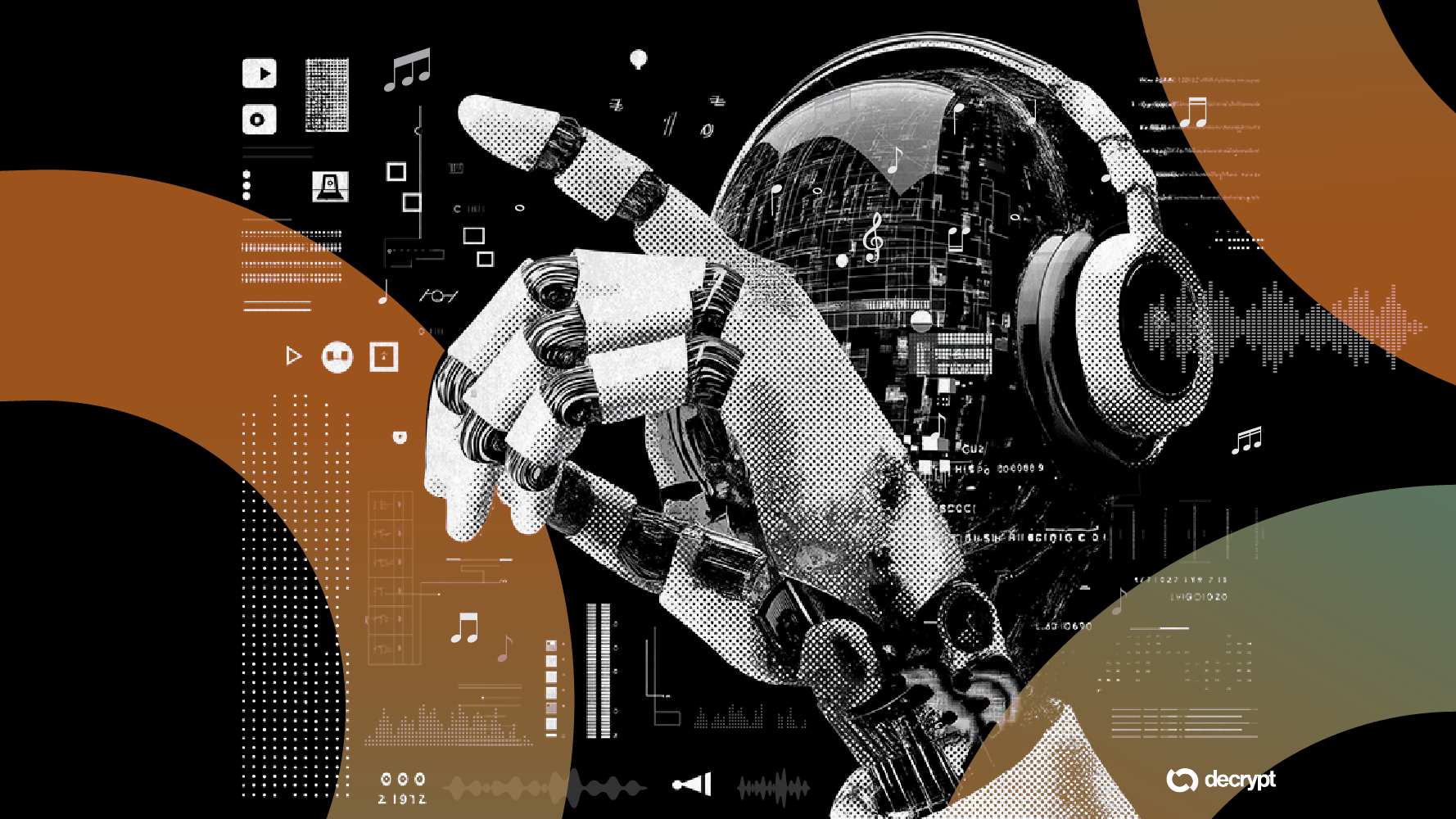
According to a recent report from French streaming service Deezer, nearly half of the new music uploaded to its platform is generated by artificial intelligence. This figure highlights a significant shift in the music industry, where technology is increasingly playing a role in the creative process. Despite this rise in AI-generated content, Deezer noted that actual listening numbers for this type of music remain strikingly low, suggesting a disconnect between creation and consumption in this emerging genre.
The rise of AI in music creation is not entirely unexpected, as advancements in machine learning and audio synthesis have made it easier for developers and musicians to produce tracks. With tools that can compose melodies, generate lyrics, and even mimic the styles of popular artists, AI has democratized music production. However, the music industry has historically been driven by human emotion and creativity, which raises questions about the long-term viability of AI-generated music in capturing listeners' attention.
This situation is particularly relevant in today's market, where streaming platforms are vying for user engagement. The fact that AI-generated music constitutes such a significant portion of new uploads but garners minimal listening raises concerns about the quality and appeal of these tracks. It may indicate that while AI can produce a vast quantity of content, it struggles to resonate with audiences in the same way that human-created music does. As listeners increasingly seek authenticity and connection in their music choices, the impact of AI on the industry could be limited.
Industry experts have mixed reactions to this trend. Some see the rise of AI-generated music as an innovative development that could lead to new opportunities for artists and producers. They argue that AI can serve as a valuable tool for creativity, enabling musicians to experiment and explore new sounds. On the other hand, critics express concern that an over-reliance on AI could diminish the artistry and emotional depth of music, potentially leading to a homogenization of sound. This debate underscores the need for balance between technology and human creativity in the music landscape.
Looking ahead, the future of AI-generated music remains uncertain. As technology continues to evolve, it will be interesting to see whether listeners become more receptive to AI-produced tracks or if the allure of human artistry prevails. Streaming platforms like Deezer may need to consider how they curate and promote AI-generated music to enhance its appeal and attract more listeners. Ultimately, the relationship between AI-generated content and audience engagement will play a crucial role in shaping the future of music consumption.
CM
فريق CoinMagnetic
مستثمرون في العملات الرقمية منذ عام 2017. أموالنا في اللعبة – نختبر كل منصة بأنفسنا.
تحديث: أبريل ٢٠٢٦
من تحليلاتنا: