التنظيممحايد
Kalshi Fines Meme Coin Candidate Mark Moran, Others for Betting on Their Own Elections
المصدر: Decrypt
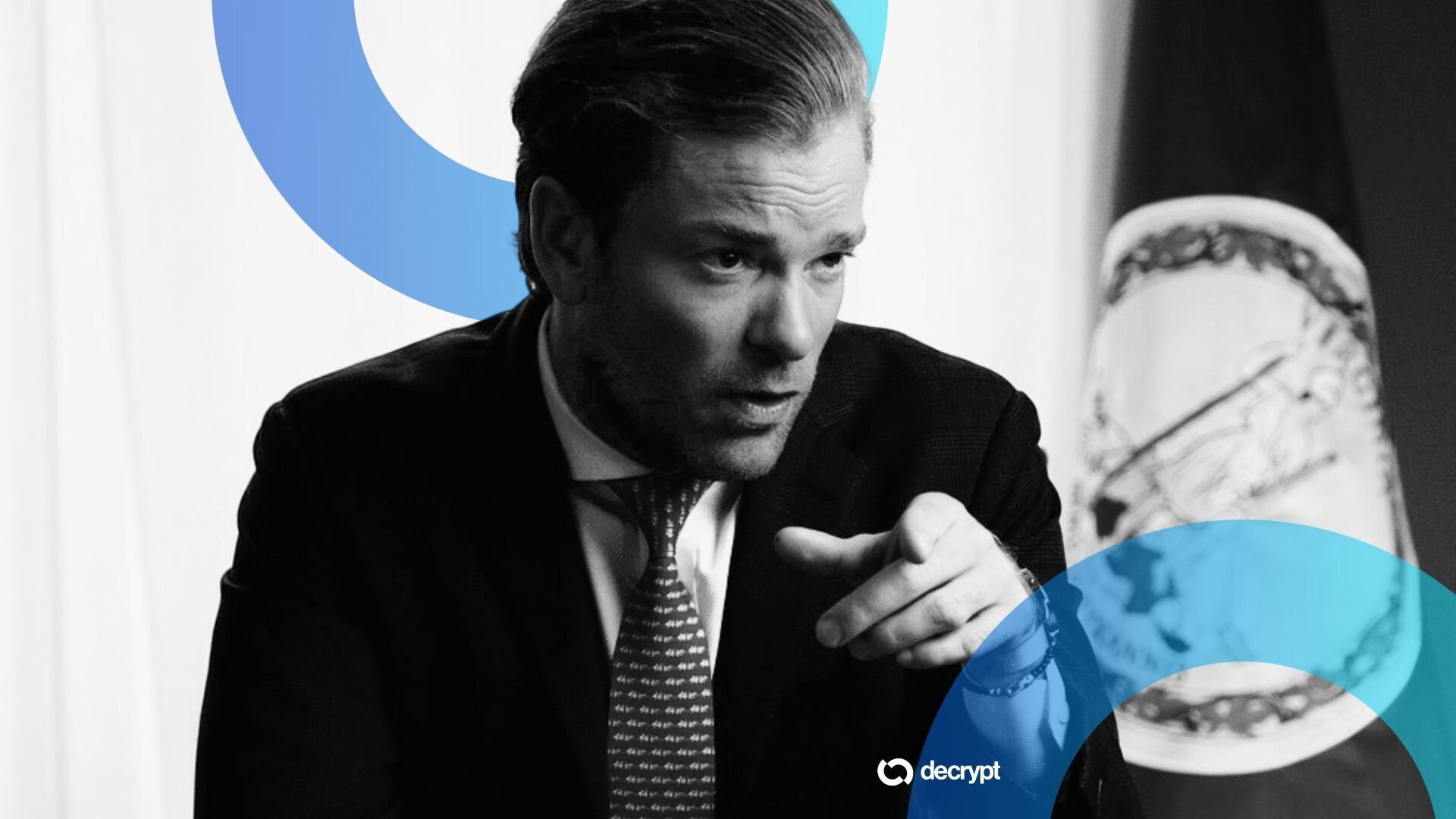
In a significant turn of events, Kalshi, a regulated prediction market platform, has fined Mark Moran, a candidate for the U.S. Senate in Virginia, along with other individuals for placing bets on their own elections. This controversial practice, which Moran previously referred to as “free advertising,” has raised eyebrows and ignited discussions about ethical standards in political campaigning. Kalshi's action underscores the platform's commitment to maintaining integrity and transparency, especially in an arena as sensitive as political betting.
To provide some context, prediction markets have become increasingly popular as platforms where users can trade contracts based on the outcomes of various events, including elections. However, the practice of candidates betting on their own electoral success blurs ethical lines and raises concerns about potential manipulation and conflicts of interest. Moran's candidacy has drawn attention not just for his political platform but also for his unconventional approach to campaign financing, which includes self-wagering as a means to generate visibility for his campaign.
The implications of this situation extend beyond Moran himself. By penalizing candidates for self-betting, Kalshi is sending a strong message to the market about the importance of ethical behavior in political betting. This move could influence how other candidates approach their campaigns, especially those considering similar strategies. The potential for market manipulation and the integrity of prediction markets could be at stake, leading to increased scrutiny from regulators and the public alike.
Industry reactions to Kalshi's decision have been mixed. Some experts commend the platform for taking a stand against what they perceive as unethical behavior, advocating for stronger regulations in the prediction market space. Others, however, argue that such restrictions could stifle innovation and the free market principles that underpin platforms like Kalshi. The discussion raises important questions about the balance between regulation and freedom in emerging markets, particularly as they relate to politics.
Looking ahead, it will be interesting to see how this incident shapes the landscape of political betting and whether more stringent regulations will emerge as a result. Candidates may need to reassess their strategies in light of Kalshi's actions, and other prediction market platforms might follow suit by implementing similar measures. As the intersection of politics and betting continues to evolve, this case will likely serve as a touchstone for future discussions on ethics and integrity in political campaigns.
CM
فريق CoinMagnetic
مستثمرون في العملات الرقمية منذ عام 2017. أموالنا في اللعبة – نختبر كل منصة بأنفسنا.
تحديث: أبريل ٢٠٢٦
من تحليلاتنا: