السوقمحايد
Iran views BTC as strategic asset, but USDt still dominates oil tolls: BPI
المصدر: Cointelegraph

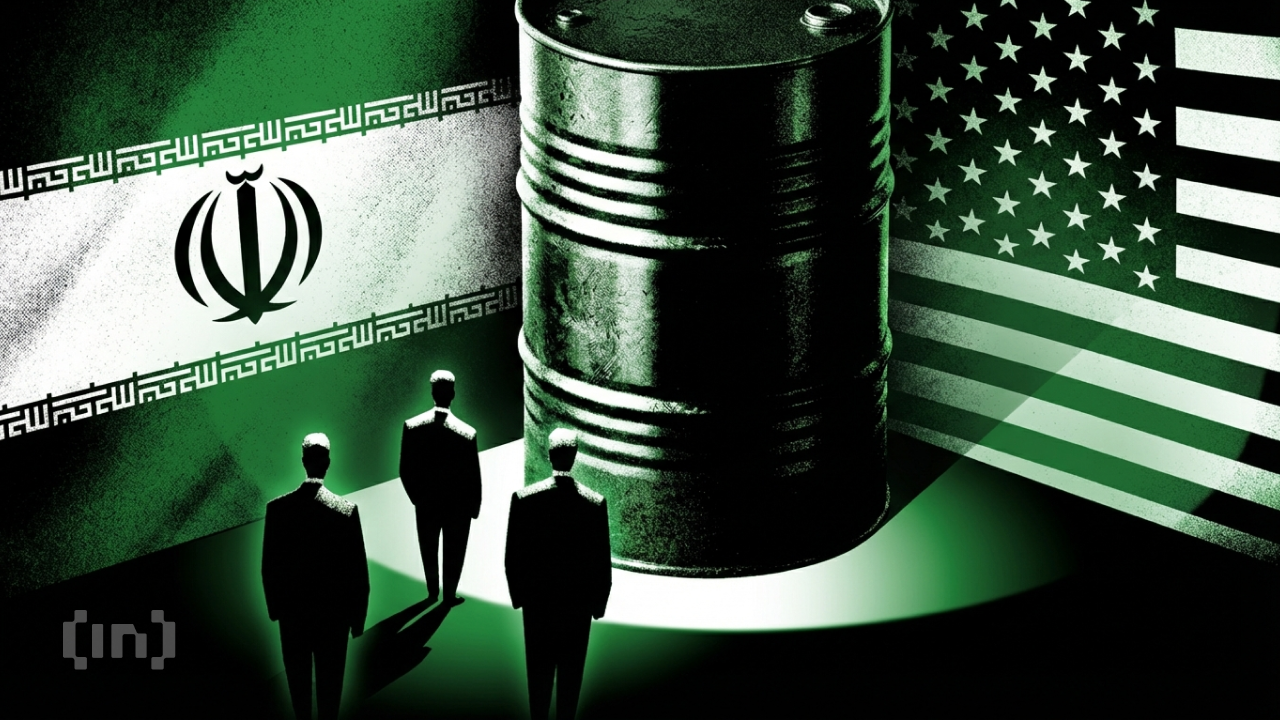
Iran's recent decision to consider Bitcoin as a payment method for oil tolls marks a significant shift in its approach to cryptocurrency. The Iranian government has identified Bitcoin for its potential to serve as a strategic asset, particularly due to its decentralized and confiscation-resistant properties. This move aligns with Iran's broader efforts to circumvent international sanctions and bolster its economy. However, despite this progressive stance toward Bitcoin, reports indicate that transactions are still predominantly conducted using US dollar-pegged stablecoins, such as USDt, highlighting a complex relationship between traditional fiat currencies and emerging digital assets.
To understand this development, it’s essential to examine Iran's economic backdrop. The country has faced severe economic challenges, primarily due to sanctions imposed by the United States and other nations. These sanctions have limited Iran's access to traditional financial systems, pushing the government to explore alternative avenues for trade and revenue generation. By adopting Bitcoin, Iran aims to leverage the cryptocurrency's decentralized nature to facilitate international transactions without the risk of seizure or interference from external parties. Yet, the continued reliance on dollar stablecoins suggests that the transition to a fully crypto-based payment system is still in its infancy.
This duality in Iran's crypto strategy raises important questions about the future of the market. While the recognition of Bitcoin as a strategic asset may encourage other nations facing similar economic pressures to adopt cryptocurrencies, the ongoing dominance of dollar stablecoins illustrates the challenges that remain. The market may see increased volatility as countries navigate the complexities of integrating digital currencies into established financial frameworks. Furthermore, the reliance on stablecoins reflects a lingering trust in the stability of the US dollar, even amidst a growing interest in decentralized finance.
Reactions from industry experts have been mixed. Some view Iran's pivot towards Bitcoin as a significant step that could inspire other nations to explore the benefits of cryptocurrency for international trade. Others, however, remain skeptical about the practicalities of using Bitcoin for large-scale transactions, especially given its price volatility and the technical barriers that still exist for many potential users. The reliance on USDt also raises concerns about the extent to which countries can fully escape the influence of traditional financial systems.
Looking ahead, the situation presents a fascinating case study for the cryptocurrency industry. As more countries grapple with the implications of adopting digital currencies for trade, we may witness an evolving landscape where Bitcoin and stablecoins coexist, each serving different needs in the global economy. It will be interesting to see whether Iran can successfully transition from dollar stablecoins to Bitcoin for its oil transactions and what this might mean for other nations considering similar moves. The outcomes of these developments could shape the future of cryptocurrency adoption on a global scale.
CM
فريق CoinMagnetic
مستثمرون في العملات الرقمية منذ عام 2017. أموالنا في اللعبة – نختبر كل منصة بأنفسنا.
تحديث: أبريل ٢٠٢٦
من تحليلاتنا: