الأمنهابط
'DeFi is dead': crypto community scrambles after this year's biggest hack exposes contagion risks
المصدر: CoinDesk
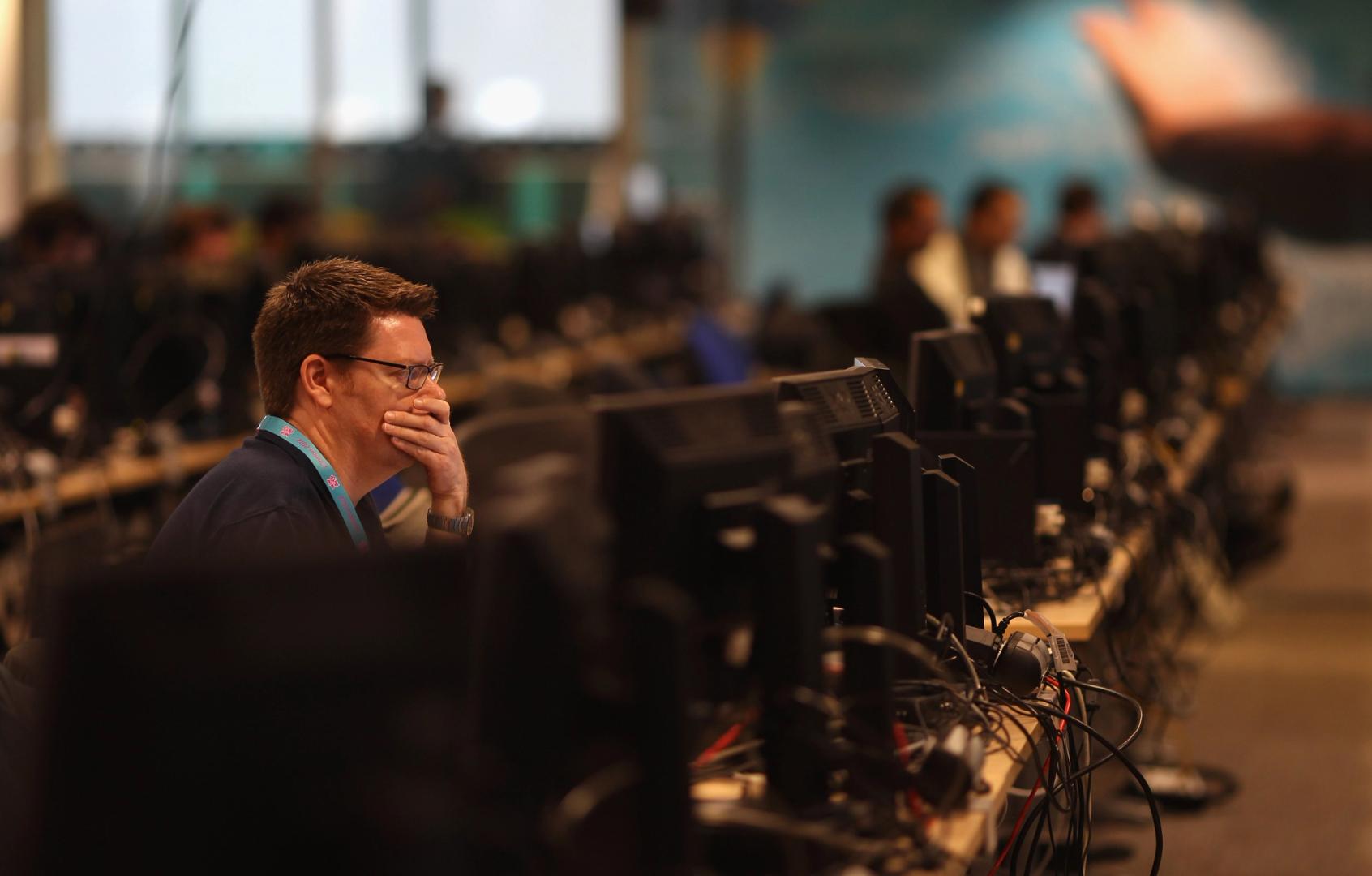
In a shocking turn of events, the decentralized finance (DeFi) sector is reeling from one of the most significant exploits of the year, prompting a wave of panic among developers and traders alike. A cross-chain hack has not only affected multiple platforms but also exposed potential contagion risks that could undermine the integrity of the entire DeFi ecosystem. As news of the hack spread, billions of dollars in assets began to flee DeFi platforms, with many users reassessing their strategies and investment positions in the face of mounting uncertainty.
The backdrop to this crisis is a rapidly evolving DeFi landscape that has experienced explosive growth over the past few years. Initially celebrated for its promise of decentralization and democratization of finance, the sector has been increasingly scrutinized for its vulnerabilities. The recent exploit underscores long-standing concerns about security in a space that often prioritizes innovation over risk management. Many in the community had anticipated issues arising, yet the scale and impact of this hack have caught even seasoned investors off guard.
This incident is significant not only for the immediate financial losses but also for its potential to reshape investor confidence in DeFi. The fear of contagion has spread quickly, leading to a sharp decline in the total value locked (TVL) across various platforms. Market sentiment is shifting as traders and developers grapple with the implications of this breach, raising questions about the viability of certain protocols and the overall robustness of the DeFi infrastructure. The repercussions could lead to tighter scrutiny from regulators, impacting the future direction of the industry.
Industry reactions have been varied, with some experts calling for more rigorous security protocols and enhanced collaboration among developers. Others argue that this hack is a necessary wake-up call for the DeFi community to prioritize security over rapid growth. Prominent figures in the space have voiced concerns about the lack of standardized auditing processes and the need for better governance mechanisms to mitigate such risks in the future. The incident has reignited debates about the balance between decentralization and security, compelling stakeholders to reassess their approaches.
Looking ahead, the fallout from this hack will likely prompt significant changes within the DeFi ecosystem. Developers may feel pressured to implement more stringent security measures, while investors may demand greater transparency and accountability from the platforms they engage with. As the community reflects on this crisis, it becomes evident that the future of DeFi will hinge on its ability to learn from this experience and build a more resilient framework. The road to recovery may be long, but the lessons learned from this event could ultimately lead to a stronger, more secure DeFi landscape.
CM
فريق CoinMagnetic
مستثمرون في العملات الرقمية منذ عام 2017. أموالنا في اللعبة – نختبر كل منصة بأنفسنا.
تحديث: أبريل ٢٠٢٦
من تحليلاتنا: