الأمنهابط
Counterhacker exposes DPRK unit that made $1M a month working IT jobs
المصدر: Cointelegraph
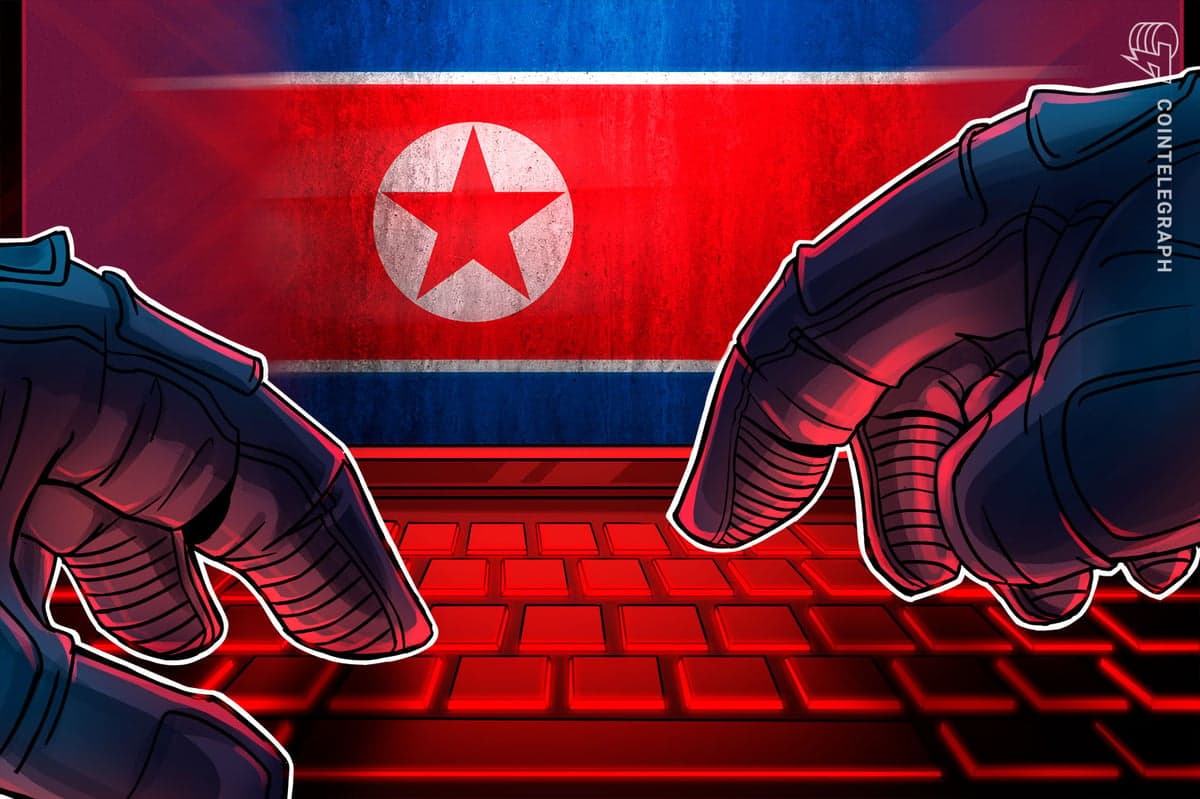
Recent developments have unveiled a striking revelation regarding North Korean cyber operations. A counterhacker has exposed a unit of North Korean IT workers who reportedly earned around $1 million per month through illicit crypto activities, all while masquerading as legitimate IT professionals. This unit, operating under the auspices of the Democratic People’s Republic of Korea (DPRK), coordinated its operations through a server secured by a surprisingly simplistic password–“123456.” Such a blatant security oversight raises questions about the sophistication of their operations as well as the effectiveness of their cybersecurity protocols.
This incident sheds light on the broader context of North Korea's cyber activities, which have been increasingly linked to state-sponsored efforts to generate revenue through nefarious means. Over the past decade, North Korea has expanded its cyber capabilities, engaging in activities such as hacking cryptocurrency exchanges and stealing funds from individuals. This particular case underscores a strategy that combines technical skills with social engineering, as these individuals masquerade as legitimate workers to facilitate their operations. The revelation also highlights the vulnerabilities present even in high-stakes environments where cybersecurity should be paramount.
The implications of this revelation for the cryptocurrency market are significant. With North Korea's ongoing involvement in illicit activities, there is a growing concern over the potential for increased regulatory scrutiny on crypto exchanges and platforms. The exposure of such operations may lead to heightened awareness and caution among investors and stakeholders, which could have a chilling effect on market sentiment. Furthermore, as the news circulates, it could instigate discussions on the need for greater security measures and transparency within the crypto space, particularly concerning the origins of funds and the entities involved in transactions.
Industry reactions to this news have been mixed. Some experts express concern that such revelations could further taint the reputation of cryptocurrency as a whole, linking it more closely to illicit activities in the public eye. Others argue that this incident should serve as a wake-up call for the industry to strengthen its security frameworks and combat the misuse of digital currencies. Cybersecurity professionals have emphasized the importance of robust security measures and best practices to prevent similar breaches in the future, advocating for industry-wide collaboration to address these evolving threats.
Looking ahead, the fallout from this exposure may encourage regulators to implement stricter compliance requirements for crypto businesses, particularly those operating in regions with known cyber threats. Additionally, we may see an increase in initiatives aimed at improving cybersecurity practices within the cryptocurrency sector. As the landscape continues to evolve, both stakeholders and users must remain vigilant, ensuring that the integrity of the market is maintained while navigating the challenges posed by state-sponsored cyber activities.
فريق CoinMagnetic
مستثمرون في العملات الرقمية منذ عام 2017. أموالنا في اللعبة – نختبر كل منصة بأنفسنا.
تحديث: أبريل ٢٠٢٦

