التنظيممحايد
Congress on verge of making regulated dollar stablecoins act almost like digital cash
المصدر: CryptoSlate
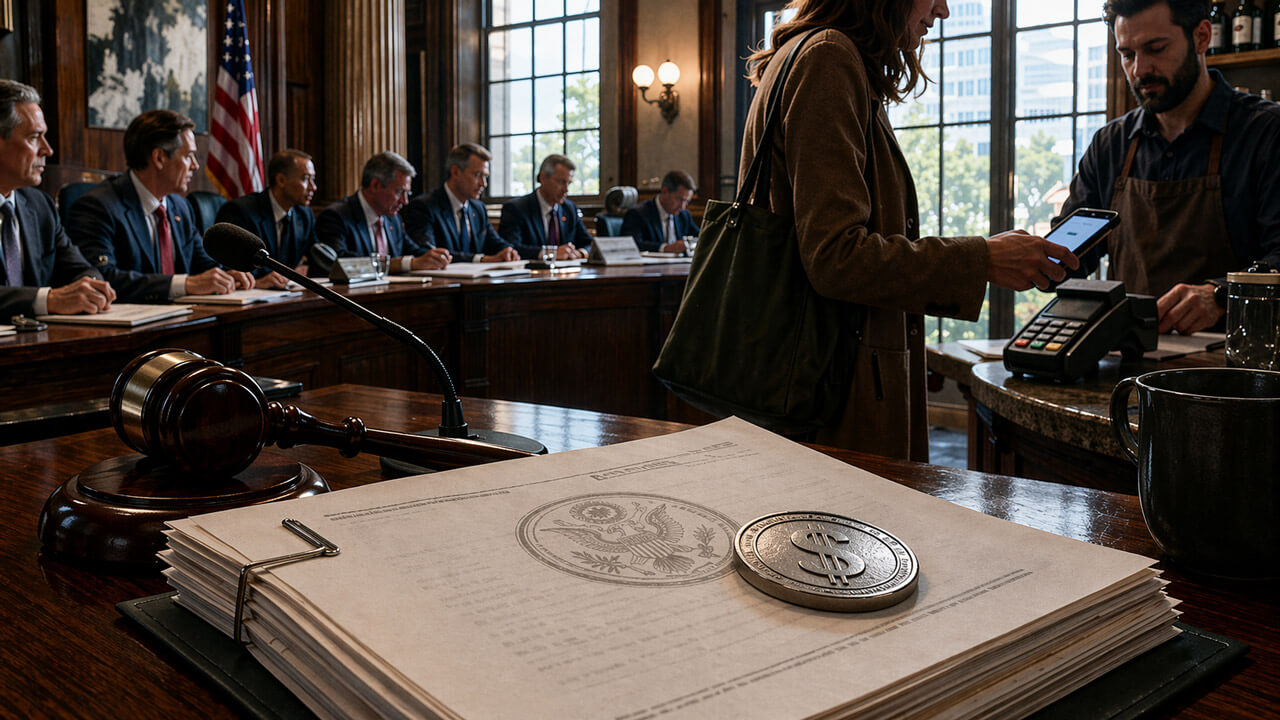
In a significant development for the cryptocurrency landscape, Congress is on the verge of establishing a regulatory framework for dollar-pegged stablecoins through the GENIUS Act. This legislation aims to create a clearer pathway for payment stablecoins, bringing them closer to functioning like traditional digital cash. The proposal is seen as an effort to streamline the regulatory process for a specific segment of digital assets, rather than attempting to address the myriad of crypto policy issues that have emerged over the years. Alongside this, a bipartisan House tax discussion draft is also in the works, which seeks to create a more favorable tax environment for these regulated stablecoins, further solidifying their role in the financial ecosystem.
The focus on stablecoins is not without historical context. Stablecoins, which are designed to maintain a stable value by being pegged to traditional currencies like the U.S. dollar, have gained immense popularity in the crypto space. They serve as a bridge between volatile cryptocurrencies and the fiat world, facilitating transactions and providing liquidity. However, regulatory uncertainty has been a persistent issue, with concerns about consumer protection, money laundering, and the overall stability of the financial system. The GENIUS Act represents a crucial step towards addressing these concerns by laying down a federal framework that could help stabilize the market and enhance consumer confidence.
This regulatory move is particularly significant for the market, as it could pave the way for wider adoption of stablecoins in everyday transactions. By treating regulated dollar stablecoins more like digital cash, Congress is effectively acknowledging their potential role in the broader financial ecosystem. This could lead to increased institutional interest and investment in stablecoins, as companies feel more secure in their usage and compliance with U.S. laws. Furthermore, clearer regulations could help mitigate the risks associated with unregulated stablecoins, which have been a source of concern for regulators and investors alike.
Industry reaction to the impending legislation has been predominantly positive, with many experts applauding the effort to create a more structured regulatory environment for stablecoins. Some industry leaders believe that this framework could foster innovation and allow for the development of new financial products that leverage the stability and efficiency of regulated digital assets. However, there are also voices of caution, indicating that the success of such regulations will depend on their implementation and how they interact with existing financial laws and systems.
Looking ahead, the focus will likely shift to the specifics of the proposed regulations and how they will be rolled out. Stakeholders in the crypto space will be closely monitoring the discussions in Congress as they seek clarity on compliance requirements and tax implications. Additionally, the evolution of this regulatory framework could set a precedent for how other crypto assets are treated in the future. As lawmakers continue to navigate the complexities of digital assets, the outcome of these discussions will undoubtedly shape the trajectory of the cryptocurrency market in the coming years.
CM
فريق CoinMagnetic
مستثمرون في العملات الرقمية منذ عام 2017. أموالنا في اللعبة – نختبر كل منصة بأنفسنا.
تحديث: أبريل ٢٠٢٦
من تحليلاتنا: