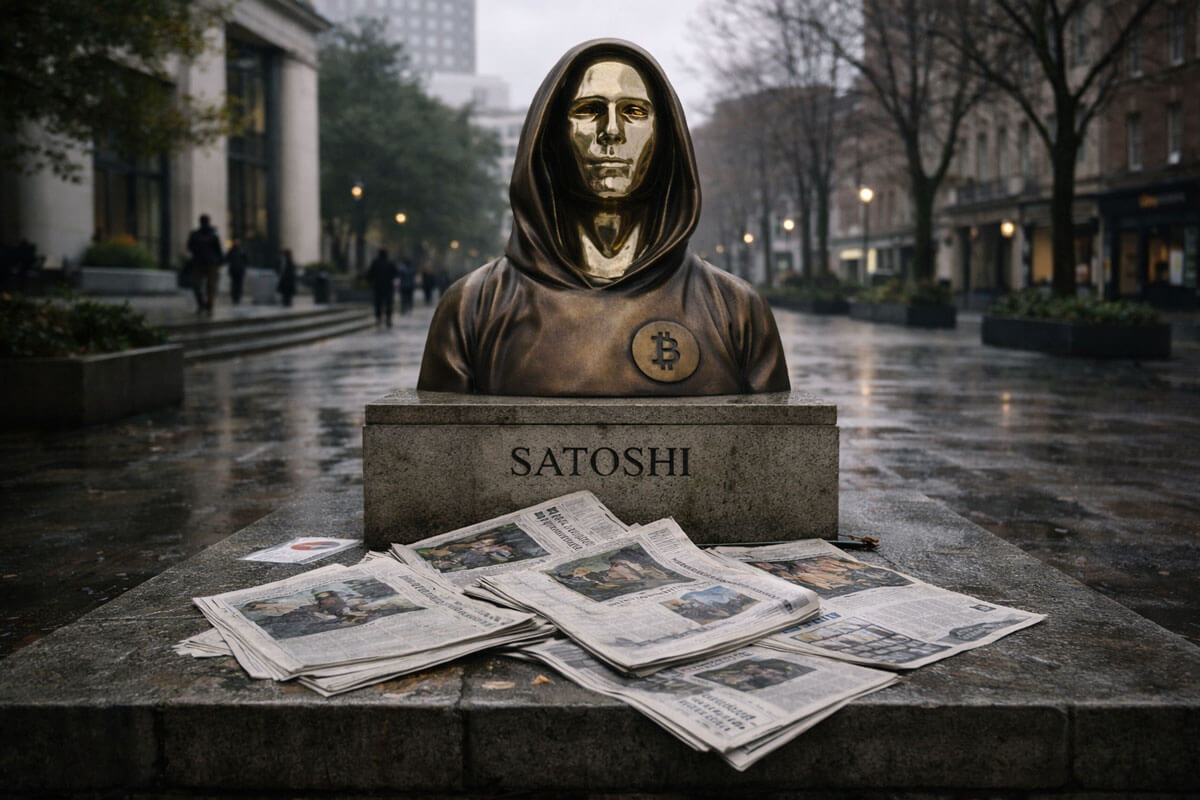
The recent article by The New York Times proposing that Adam Back, a prominent British cryptographer and co-founder of Blockstream, is the pseudonymous creator of Bitcoin, Satoshi Nakamoto, has ignited significant backlash within the cryptocurrency community. The piece relies on stylometric analysis and historical online records to draw its conclusions, suggesting that Back's writing style closely resembles that of the Bitcoin whitepaper. However, the response from the crypto community has been swift and fierce, with many labeling the claims as "dangerous" and asserting that such identifications undermine the ethos of decentralization that Bitcoin represents.
To understand the context of this uproar, it is essential to recognize the ongoing fascination with the identity of Satoshi Nakamoto, who published the Bitcoin whitepaper in 2008 and mined the first block in 2009 before disappearing from public view. Over the years, numerous individuals have been proposed as potential candidates for this enigmatic figure, including computer scientist Nick Szabo and cryptocurrency pioneer Hal Finney. Each time a new candidate emerges, there is a renewed debate over who Satoshi really is and whether knowing their identity would impact Bitcoin's value and community.
This latest development is particularly significant for the market, as the identity of Satoshi Nakamoto has long been shrouded in mystery. Many in the crypto community believe that revealing Satoshi's identity could have implications for Bitcoin's governance and its perceived legitimacy. The New York Times' claims may inadvertently cast doubt on the decentralized nature of Bitcoin, stirring concerns among investors and enthusiasts that the cryptocurrency could be more centralized than previously thought, depending on the influence of its supposed creator.
Industry reactions have been mixed, with many experts taking to social media to express their discontent with the article's conclusions. Critics argue that the reliance on stylometric analysis is flawed and that the investigation lacks substantial evidence to support its claims. Some prominent figures in the crypto space have warned that such narratives could distract from the fundamental principles of blockchain technology, which emphasize transparency and community governance. The general consensus is that the search for Satoshi should not overshadow the advancements and innovations that Bitcoin and the broader cryptocurrency ecosystem continue to foster.
Looking ahead, it remains to be seen how this controversy will unfold and whether it will lead to further efforts to unmask Satoshi Nakamoto. As discussions around the identity of the Bitcoin creator persist, the crypto community must navigate the complexities of maintaining a decentralized ethos while grappling with the implications of potential revelations. For now, the focus remains on fostering innovation and understanding the core values that underpin the cryptocurrency movement, rather than fixating on the identity of one individual.
فريق CoinMagnetic
مستثمرون في العملات الرقمية منذ عام 2017. أموالنا في اللعبة – نختبر كل منصة بأنفسنا.
تحديث: أبريل ٢٠٢٦