التكنولوجيامحايد
Cardano's Charles Hoskinson says Bitcoin's quantum fix is a hard fork that can't save Satoshi's coins
المصدر: CoinDesk
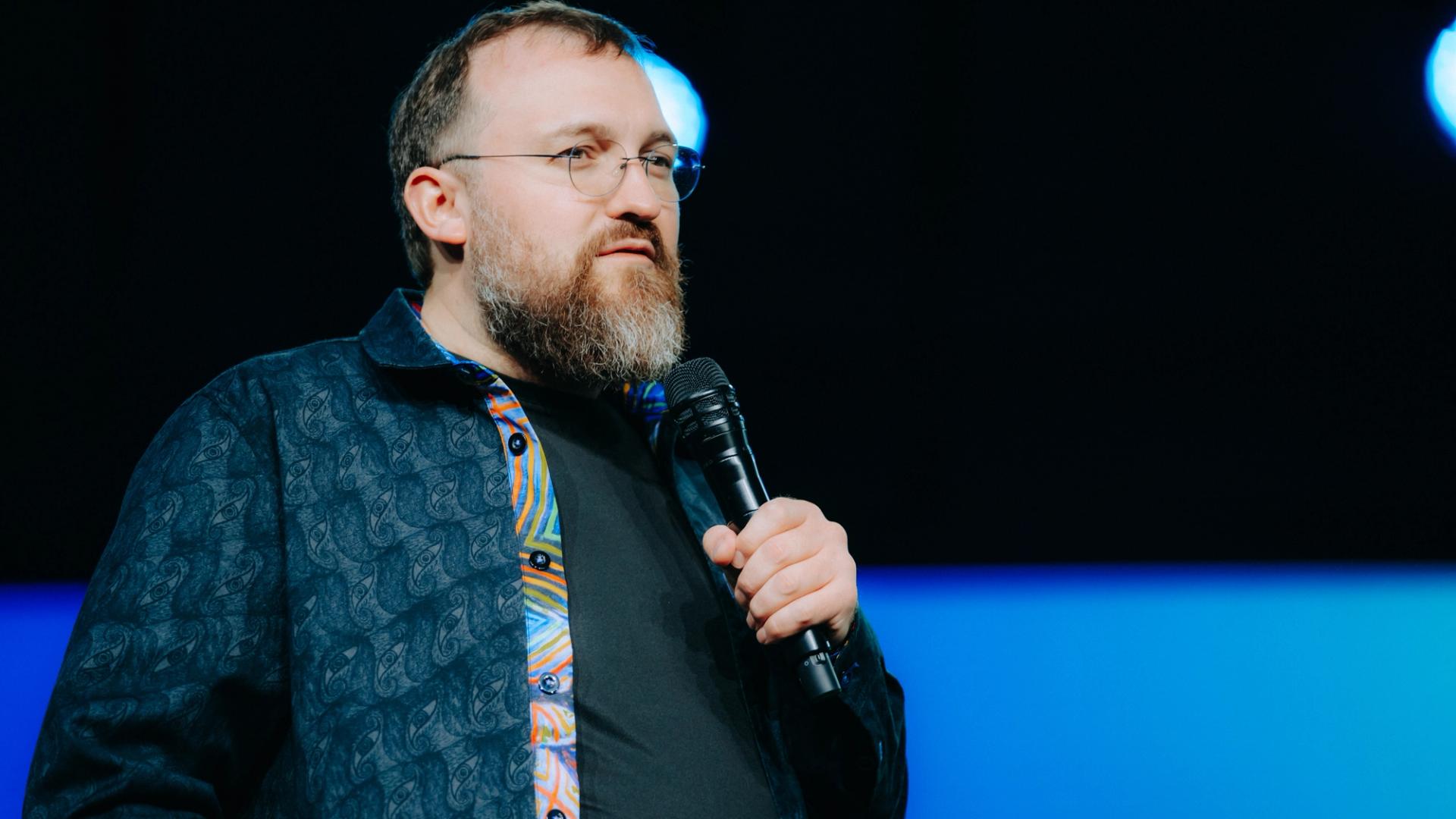
Charles Hoskinson, the founder of Cardano, has recently made waves in the crypto community by stating that the proposed Bitcoin Improvement Proposal 361 (BIP-361) is misclassified as a soft fork. According to Hoskinson, this proposal’s zero-knowledge recovery plan is insufficient to retrieve approximately 1.7 million Bitcoin that were mined before 2013, which includes the coins attributed to Bitcoin's pseudonymous creator, Satoshi Nakamoto. He argues that the proposed changes cannot effectively access these funds, which have remained dormant for years, and he criticizes the labeling of BIP-361 as a soft fork, emphasizing that it should instead be considered a hard fork due to its implications.
To understand the significance of Hoskinson's comments, it is essential to look at the context surrounding BIP-361. This proposal aims to introduce a mechanism that would allow Bitcoin holders to recover lost or inaccessible funds through zero-knowledge proofs. Supporters of the proposal believe that it could pave the way for enhanced security and user control over their assets. However, critics, including Hoskinson, contend that the proposal does not adequately address the complexities of accessing the early mined coins, raising concerns about its feasibility and potential repercussions for Bitcoin's ecosystem.
The implications of Hoskinson's assertions are considerable for the cryptocurrency market. If BIP-361 cannot deliver on its promises, it could hinder Bitcoin's growth and usability, particularly among long-term holders of early mined coins. Moreover, the ongoing discourse around the proposal highlights the broader debate within the crypto community about the effectiveness of forks and upgrades in enhancing blockchain security and user access. Hoskinson's strong stance raises critical questions about the future direction of Bitcoin's development and how the community might respond to issues of accessibility and security for older coins.
Industry reactions to Hoskinson’s remarks have been mixed, with some supporting his viewpoint while others defend BIP-361 as a vital step toward innovation in Bitcoin. Crypto experts have weighed in on the potential consequences of mislabeling the proposal, suggesting that a lack of clarity could lead to confusion among users and developers. The debate is further fueled by the ongoing concern about the need for Bitcoin to adapt to emerging technologies, including quantum computing, which poses a unique threat to the security of blockchain networks.
Looking ahead, the future of BIP-361 and its acceptance within the Bitcoin community remains uncertain. As discussions progress, it will be crucial to monitor how developers and users respond to Hoskinson’s criticisms and whether alternative solutions will be proposed to address the accessibility of early Bitcoin holdings. The outcome of this discourse could shape the trajectory of Bitcoin’s evolution and influence how the broader cryptocurrency market adapts to challenges posed by technological advancements.
CM
فريق CoinMagnetic
مستثمرون في العملات الرقمية منذ عام 2017. أموالنا في اللعبة – نختبر كل منصة بأنفسنا.
تحديث: أبريل ٢٠٢٦
من تحليلاتنا: