التنظيممحايد
Bessent tells Fed to ‘wait and see’ on cuts as war-driven inflation clouds Bitcoin
المصدر: CryptoSlate
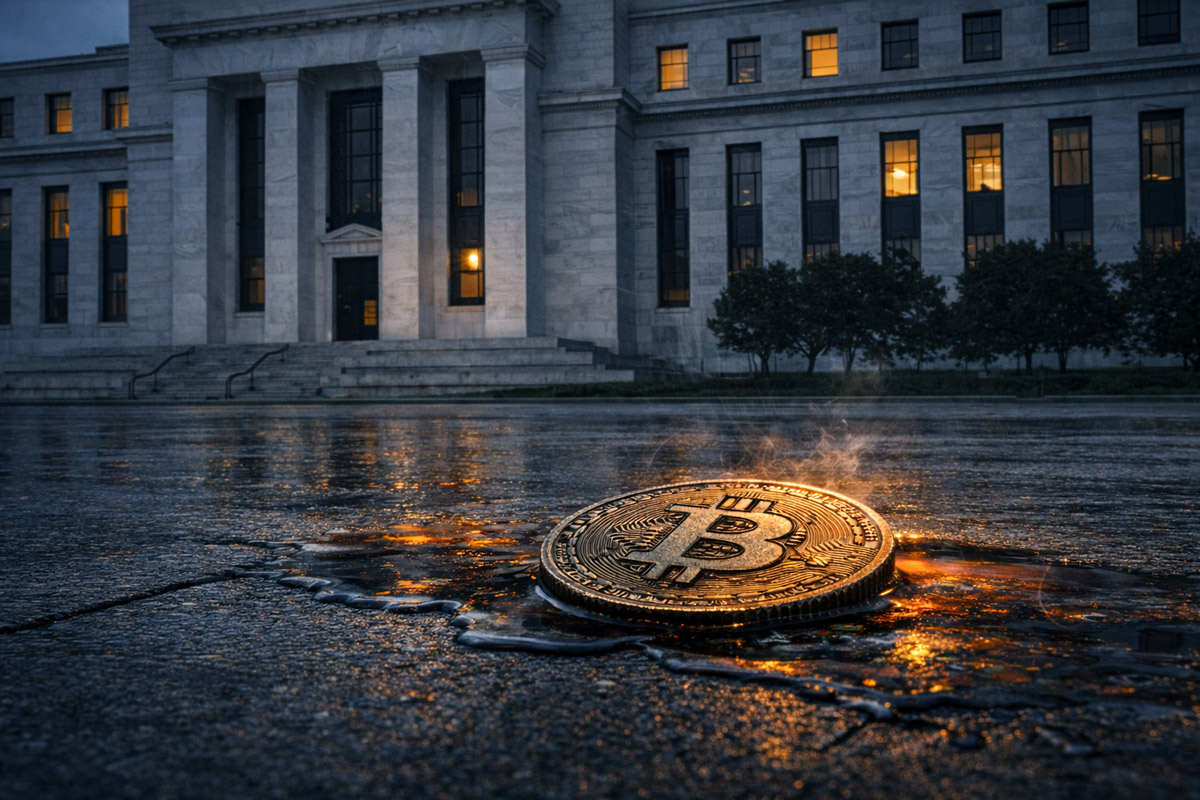
Treasury Secretary Scott Bessent has recently advised the Federal Reserve to adopt a cautious stance regarding potential interest rate cuts, highlighting how ongoing global conflicts, particularly in Iran, are driving inflationary pressures. His comments come amid rising fuel prices, which are exacerbating the already complex inflation landscape. Bessent's position signals a broader concern that geopolitical tensions are influencing not just traditional markets but also the volatile realm of cryptocurrencies, including Bitcoin. The Fed's decisions on interest rates, often aimed at controlling inflation, are now intertwined with factors that extend beyond domestic economic indicators.
To understand the significance of Bessent's advice, it's essential to consider the backdrop of the current economic climate. Inflation has been a persistent issue for many countries, significantly influenced by supply chain disruptions and heightened energy costs. The situation in Iran, particularly the escalation of conflict, has contributed to rising oil prices, which in turn affects overall inflation. The Fed's response to this inflationary pressure has been a topic of intense debate, as many economists and market participants are divided on whether the central bank should prioritize rate cuts to stimulate growth or maintain higher rates to combat inflation.
This context matters greatly for the cryptocurrency market, especially for Bitcoin, which is often viewed as a hedge against inflation. If the Fed decides to delay rate cuts in response to Bessent's recommendations, it could create an environment of prolonged uncertainty for investors. Higher interest rates tend to strengthen the U.S. dollar, which may lead to decreased demand for Bitcoin as an alternative store of value. This situation could further complicate Bitcoin's price trajectory, which has been highly sensitive to macroeconomic indicators and monetary policy shifts.
Industry experts have weighed in on Bessent's comments, with many acknowledging the intricate relationship between geopolitical events and market dynamics. Some analysts argue that Bessent's caution reflects an understanding of the broader implications of inflation on asset classes, including cryptocurrencies. Others suggest that the Fed's hesitation could lead to increased volatility in the crypto markets as investors react to news and adjust their strategies accordingly. The sentiment among traders seems to be one of caution, as they navigate the potential for further inflationary pressures and their implications for both traditional and digital assets.
Looking ahead, the question remains: what will the Federal Reserve ultimately decide in light of these developments? As inflation continues to be a contentious issue, the Fed's actions will be closely monitored by market participants. Any indication of a shift in monetary policy could trigger significant movements in the cryptocurrency space, particularly for Bitcoin. Investors and analysts alike will need to remain vigilant as the interplay between geopolitical events, inflation, and monetary policy continues to shape the market landscape.
CM
فريق CoinMagnetic
مستثمرون في العملات الرقمية منذ عام 2017. أموالنا في اللعبة – نختبر كل منصة بأنفسنا.
تحديث: أبريل ٢٠٢٦
من تحليلاتنا: