السوقمحايد
'Axie Infinity' Gaming Network Ronin Sets Date for Ethereum Layer-2 Migration
المصدر: Decrypt
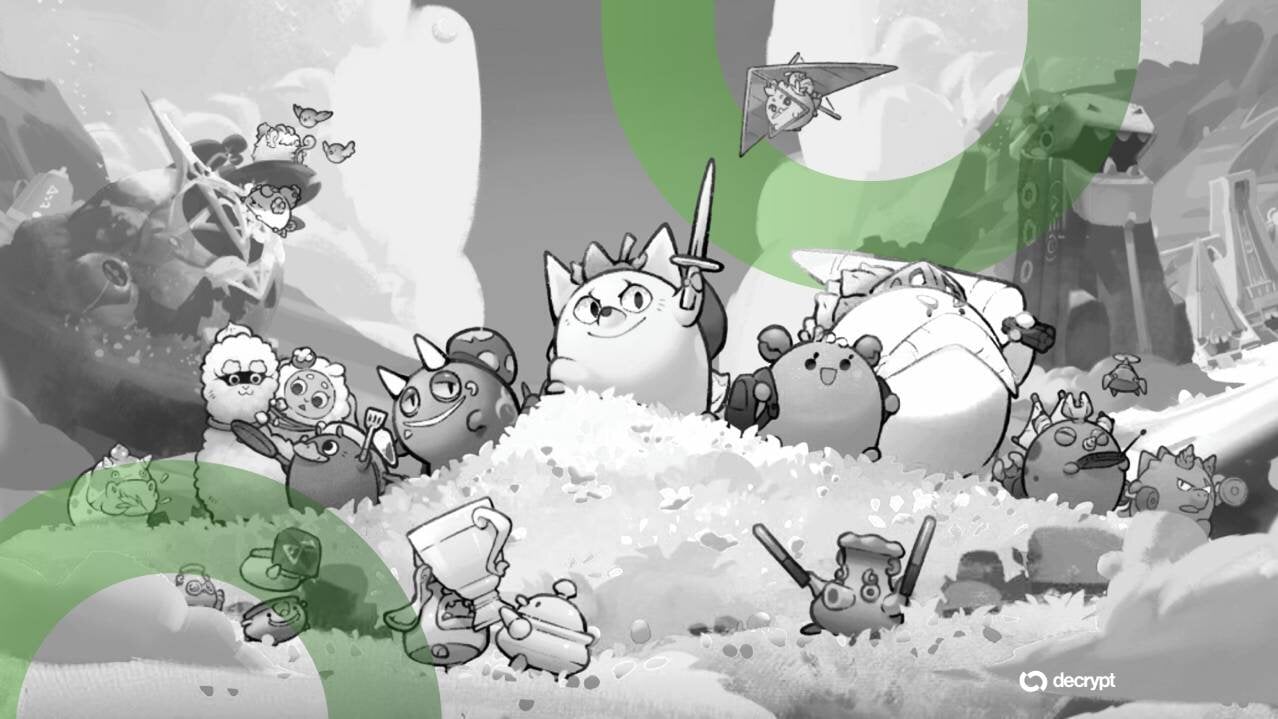
The Ronin gaming network, known for its role in the popular blockchain game Axie Infinity, has announced a significant migration to an Ethereum Layer-2 solution, set to take place in the coming weeks. This move is poised to dramatically reduce the inflation rate of the RON token, decreasing it from over 20% to below 1%. In addition to this inflation cut, the migration will introduce automated rewards for developers, a change that aims to incentivize continuous development and innovation within the ecosystem. The team behind Ronin believes this transition will enhance the network's scalability and efficiency, making it more attractive to both developers and players.
Understanding the context of this decision requires a look at the broader landscape of blockchain gaming and the challenges it faces. Ronin was created to cater specifically to the needs of Axie Infinity, which has seen explosive growth over the past few years. However, the token inflation and economic sustainability of the network have been ongoing concerns. By migrating to an Ethereum Layer-2 solution, Ronin aims to leverage Ethereum's robust infrastructure while alleviating issues related to transaction speed and costs. This strategy not only positions Ronin for future growth but also reflects a broader trend within the crypto space where networks seek to enhance their operational frameworks.
The implications of this migration are significant for the market. By reducing the inflation rate of the RON token, the Ronin network is taking steps to stabilize its economy, which could potentially lead to increased confidence among investors and players alike. This stabilization is particularly important in a market that has been characterized by volatility and uncertainty. Furthermore, the introduction of automated developer rewards may attract more talent to the platform, fostering innovation and potentially leading to the development of new features and games that could drive user engagement.
Expert analysis has indicated a generally positive outlook regarding this migration. Many industry insiders believe that the decision to move to a Layer-2 solution is a forward-thinking strategy that aligns with the growing trend of optimizing blockchain networks for better performance. Some commentators have highlighted that this could serve as a blueprint for other gaming networks facing similar inflation issues. The reduction in token inflation and the focus on developer incentives are seen as crucial steps in creating a more sustainable ecosystem, which could enhance the value proposition of Ronin as a gaming platform.
Looking ahead, the Ronin team is expected to engage with the community as they navigate this transition, ensuring that stakeholders are well-informed and involved in the process. The success of this migration could set a precedent for other projects within the blockchain gaming space, and it will be interesting to observe how this move impacts the overall dynamics of the market. The next few months will be critical as Ronin implements these changes and monitors their effects on both the token economy and user engagement.
CM
فريق CoinMagnetic
مستثمرون في العملات الرقمية منذ عام 2017. أموالنا في اللعبة – نختبر كل منصة بأنفسنا.
تحديث: أبريل ٢٠٢٦
من تحليلاتنا: