السوقصاعد
AI Traffic to US Retailers Jumps 393% in Q1 as Agentic Shoppers Outspend Humans
المصدر: Decrypt
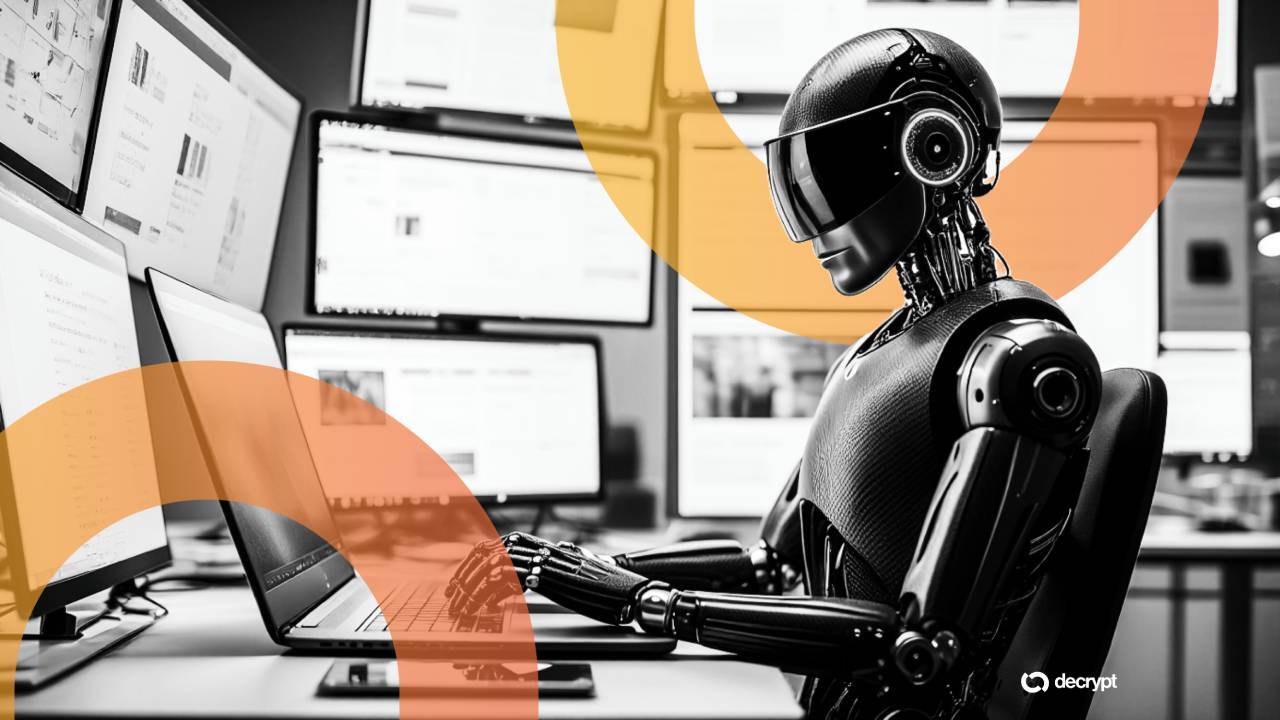
In the first quarter of 2026, traffic to U.S. retail websites driven by AI technologies skyrocketed by an astonishing 393%. This significant increase has been attributed to the rise of what are being termed "agentic shoppers," AI systems that emulate human purchasing behavior and decision-making. Not only are these AI-driven visitors flocking to online stores in unprecedented numbers, but they are also proving to be more lucrative than their human counterparts, generating higher revenues per visit. Retailers are starting to recognize the potential of these AI agents and are adjusting their strategies to cater to this new demographic.
To understand the implications of this trend, it is crucial to consider the broader context of AI integration in retail. Over the last few years, the retail sector has increasingly leveraged AI for everything from personalized marketing to inventory management. However, the emergence of agentic shoppers marks a new frontier in how consumers interact with online retail platforms. As AI technology continues to evolve, these systems are becoming more sophisticated, leading to a significant shift in consumer behavior and expectations. This growth in AI traffic signals a crucial turning point for retailers as they navigate this changing landscape.
The implications of a 393% increase in AI-driven traffic are profound for the market. Retailers may need to rethink their sales strategies, digital interfaces, and customer engagement practices to accommodate the preferences of these AI agents. The traditional metrics used to measure customer engagement may soon be inadequate, as the behavior and purchasing patterns of AI shoppers differ from those of human consumers. For investors, understanding this trend could influence market predictions and investment strategies, as companies that adapt quickly may gain a competitive edge.
Industry experts have weighed in on this development, highlighting both the opportunities and challenges it presents. Some analysts believe that the rise of agentic shoppers could lead to more efficient retail operations and a streamlined purchasing experience. Others caution that reliance on AI-driven customers may create vulnerabilities, particularly if retailers fail to maintain a balance between AI and human engagement. The sentiment is mixed but generally leans toward optimism, with many in the industry recognizing the potential for increased revenue and innovation.
Looking ahead, it will be interesting to see how retailers respond to this seismic shift in consumer behavior. Companies may invest more heavily in AI technology to enhance their offerings and ensure they are equipped to meet the demands of both human and agentic shoppers. As this trend continues to unfold, we anticipate that the retail landscape will evolve, leading to new business models and consumer engagement strategies that harness the power of AI while still prioritizing the human touch. The coming months will likely reveal how retailers adapt to this burgeoning phenomenon and what it means for the future of e-commerce.
CM
فريق CoinMagnetic
مستثمرون في العملات الرقمية منذ عام 2017. أموالنا في اللعبة – نختبر كل منصة بأنفسنا.
تحديث: أبريل ٢٠٢٦
من تحليلاتنا: