التنظيممحايد
Agentic Memory: Walrus Takes On AI's Next Big Bottleneck
المصدر: Decrypt
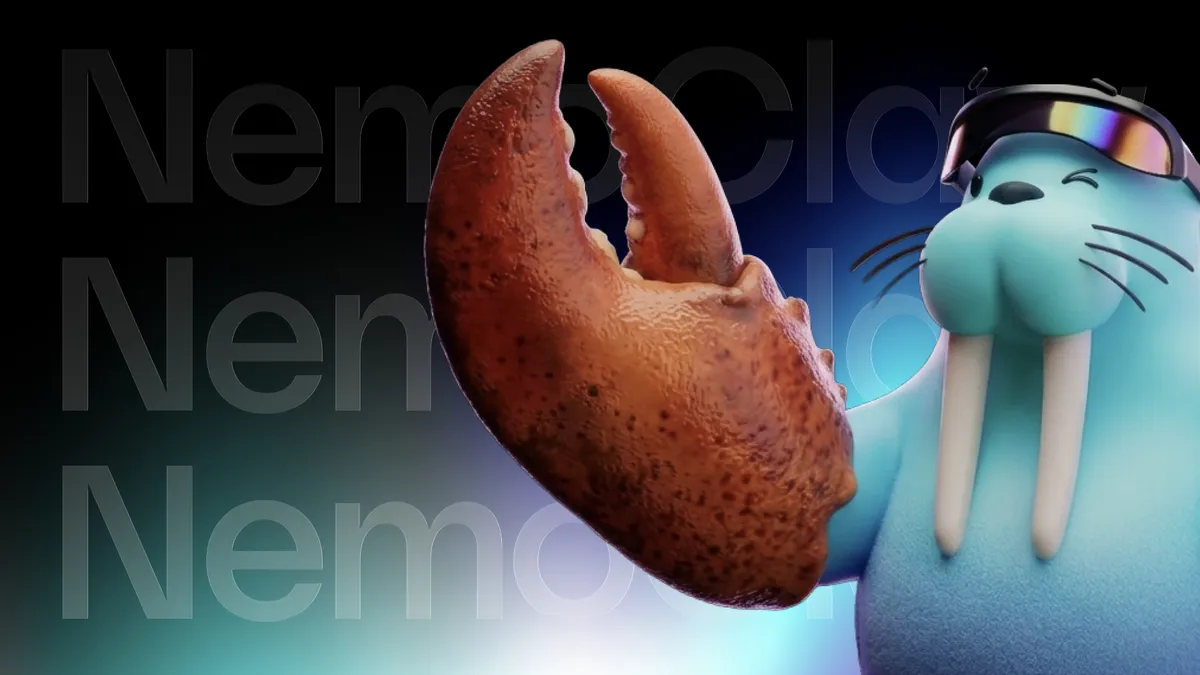
In a significant move within the AI landscape, the company Walrus has unveiled its latest innovations aimed at addressing a prominent limitation in artificial intelligence–long-term memory. Their new solutions, dubbed MemWal, OpenClaw, and NemoClaw, are designed to enhance AI agents' capabilities by overcoming the constraints posed by traditional memory systems. This breakthrough not only promises to expand the functionality of AI agents but also positions Walrus as a key player in the ongoing evolution of AI technology. The potential applications of these advancements are vast, with implications for industries ranging from customer service to personal assistance and beyond.
To understand the importance of Walrus’s developments, it’s essential to grasp the challenges that AI has faced regarding memory management. Existing AI systems often operate with limited memory, which restricts their ability to recall past interactions or learn from long-term data. This has resulted in a gap between human cognitive abilities and AI performance. By introducing MemWal and its integrations, Walrus aims to bridge this gap, allowing AI agents to not only remember past experiences but also utilize that knowledge to improve future interactions. This shift could redefine the way AI engages with users, making interactions more intuitive and contextually aware.
The implications of Walrus’s innovations could be transformative for the market. As AI becomes increasingly integrated into everyday applications, the demand for more advanced memory systems is likely to grow. Improved long-term memory could lead to more sophisticated AI agents capable of providing personalized experiences, thus enhancing user satisfaction and engagement. This could also drive competition among AI developers, pushing them to innovate more rapidly and effectively as they strive to keep pace with Walrus’s advancements. The broader market may see a shift towards AI solutions that prioritize memory capabilities, potentially reshaping consumer expectations and industry standards.
Industry experts have responded positively to Walrus's announcement, recognizing the potential of these technologies to enhance AI performance. Analysts note that while many AI systems have made strides in processing power and algorithms, memory has often been overlooked. The introduction of MemWal, alongside the OpenClaw and NemoClaw integrations, could signal a pivotal moment in AI development. Some experts emphasize that the real test will be in the implementation and real-world effectiveness of these solutions, but the initial reactions suggest a growing optimism about the direction in which AI technology is headed.
Looking ahead, it will be crucial to monitor how these innovations are adopted within various sectors. As more companies begin to experiment with and implement Walrus’s memory solutions, we may witness a ripple effect that influences the broader AI landscape. The anticipated outcomes could lead to further advancements in AI memory technology, driving ongoing research and development in the field. As AI continues to evolve, Walrus’s contributions could play a significant role in shaping the future of intelligent systems that better understand and interact with the world around them.

من تحليلاتنا: