РынокНейтрально
Visa is quietly building stablecoins into mainstream payment plumbing without you knowing
Источник: CryptoSlate
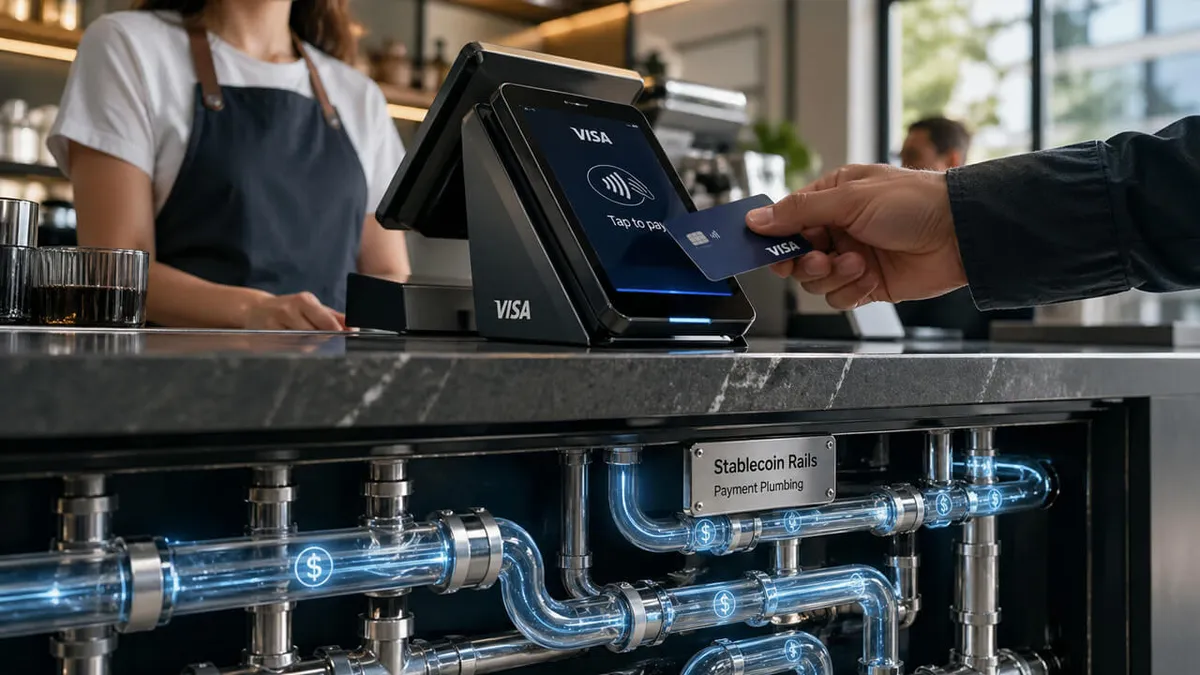
Visa has recently revealed that its innovative settlement pilot for stablecoins now encompasses nine prominent blockchains, significantly expanding its capabilities in the cryptocurrency space. Announced on April 29, the pilot program has integrated new platforms including Arc, Base, Canton, Polygon, and Tempo, in addition to the already-utilized Avalanche, Ethereum, Solana, and Stellar. This strategic move has propelled Visa's annualized settlement run rate to an impressive $7 billion, indicating a robust growth trajectory for the integration of stablecoins into mainstream financial systems.
To understand the significance of this development, it's essential to consider the broader context of digital currencies and their increasing acceptance in traditional finance. Stablecoins, which are pegged to real-world assets like fiat currencies, have garnered attention for their potential to provide stability in an otherwise volatile crypto market. Visa's pilot program not only underscores the company's commitment to expanding its payment infrastructure but also highlights the growing recognition of stablecoins as a viable medium for transactions. This initiative positions Visa at the forefront of a significant shift in how payments could be processed in the future.
The implications of Visa's expansion into stablecoins are substantial for the market. As the global payment giant integrates these digital assets into its payment systems, it could pave the way for increased adoption among merchants and consumers alike. This move signals to the market that stablecoins are not just a niche product but are becoming integral to mainstream financial transactions. Furthermore, Visa's actions may prompt other financial institutions to explore similar paths, accelerating the overall acceptance of cryptocurrencies in everyday commerce and potentially driving up demand for stablecoins.
Reactions from industry experts have been largely positive, with many acknowledging the strategic foresight behind Visa's initiatives. Analysts suggest that this could lead to increased competition among payment providers and traditional banks to adopt blockchain technologies and stablecoins. Furthermore, these developments may encourage regulatory bodies to create clearer frameworks for stablecoin use, fostering a more secure and structured environment for their integration into financial systems. Overall, the sentiment in the industry reflects optimism about the potential benefits of this pilot program.
Looking ahead, it will be interesting to see how Visa continues to evolve its stablecoin strategy and whether other major players in the financial sector will follow suit. As the pilot program matures and potentially expands further, we may witness a significant shift in payment processing norms. The growing acceptance of stablecoins could redefine the landscape of digital transactions, making it imperative for stakeholders across the financial spectrum to stay informed and adaptable as these changes unfold.

Читайте в нашей аналитике:
Хочешь узнавать новости первым?
Подписывайся на наш Telegram-канал – публикуем важные новости и аналитику.
Подписаться на канал