РегулированиеНегативно
US community banks oppose OCC's approval of Coinbase trust charter
Источник: Cointelegraph
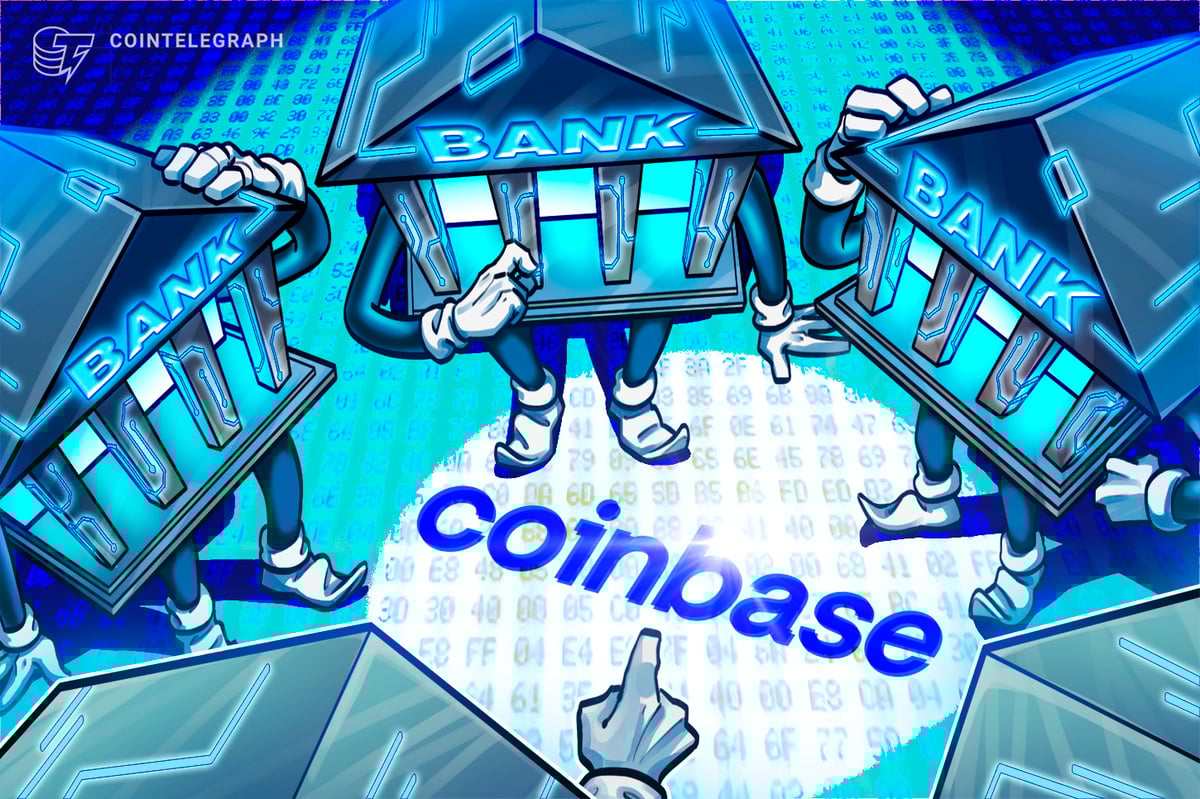
The Independent Community Bankers of America (ICBA) has voiced strong opposition to the Office of the Comptroller of the Currency's (OCC) recent approval of Coinbase's trust charter. The ICBA has raised concerns that this charter does not meet the necessary regulatory standards and could potentially jeopardize consumer protections and the stability of the financial system. By allowing Coinbase to operate under this charter, the organization argues that it undermines the integrity of the banking system and creates an uneven playing field for community banks that adhere to stricter regulations.
The context surrounding this decision is significant, as the OCC has been actively promoting a framework for digital asset regulation. Coinbase, as one of the largest cryptocurrency exchanges in the United States, has been seeking to expand its operations and establish greater legitimacy in the eyes of regulators. The trust charter would allow Coinbase to act as a regulated financial institution, enabling it to offer a broader range of services while increasing its compliance with federal laws. However, the ICBA contends that the current regulatory framework is insufficient for such a high-profile player in the crypto space, especially given the historical challenges in regulating digital assets.
This situation is particularly relevant for the market as it highlights the ongoing tension between traditional banking institutions and emerging cryptocurrency platforms. The approval of Coinbase's trust charter could set a precedent for other crypto firms seeking similar regulatory recognition, which might lead to increased competition for community banks. At the same time, the concerns raised by the ICBA emphasize the need for a robust regulatory framework that can adequately address the unique risks associated with digital assets. If left unaddressed, these risks could undermine consumer confidence and financial stability in the broader market.
Industry experts have weighed in on the matter, with some supporting the ICBA's stance and others arguing that innovation in the financial sector should not be stifled by outdated regulatory frameworks. Proponents of the charter believe that it could pave the way for more integrated financial services, fostering a better relationship between traditional banks and cryptocurrency companies. On the other hand, critics warn that a lack of stringent oversight could lead to systemic risks that might affect not only consumers but also the integrity of the financial ecosystem as a whole.
Looking ahead, it will be interesting to see how the OCC responds to the ICBA's concerns and whether any adjustments will be made to the approval process for digital asset charters. The ongoing dialogue between regulators, traditional banks, and cryptocurrency firms will likely shape the future of digital asset regulation. As the landscape evolves, it will be crucial for all stakeholders to engage in constructive discussions to ensure that innovation occurs alongside adequate consumer protections and financial stability.
Хочешь узнавать новости первым?
Подписывайся на наш Telegram-канал – публикуем важные новости и аналитику.
Подписаться на канал