РынокНейтрально
New York targets crypto with new $3.4B fines as perpetual futures turn prediction apps into nonstop leverage casinos
Источник: CryptoSlate
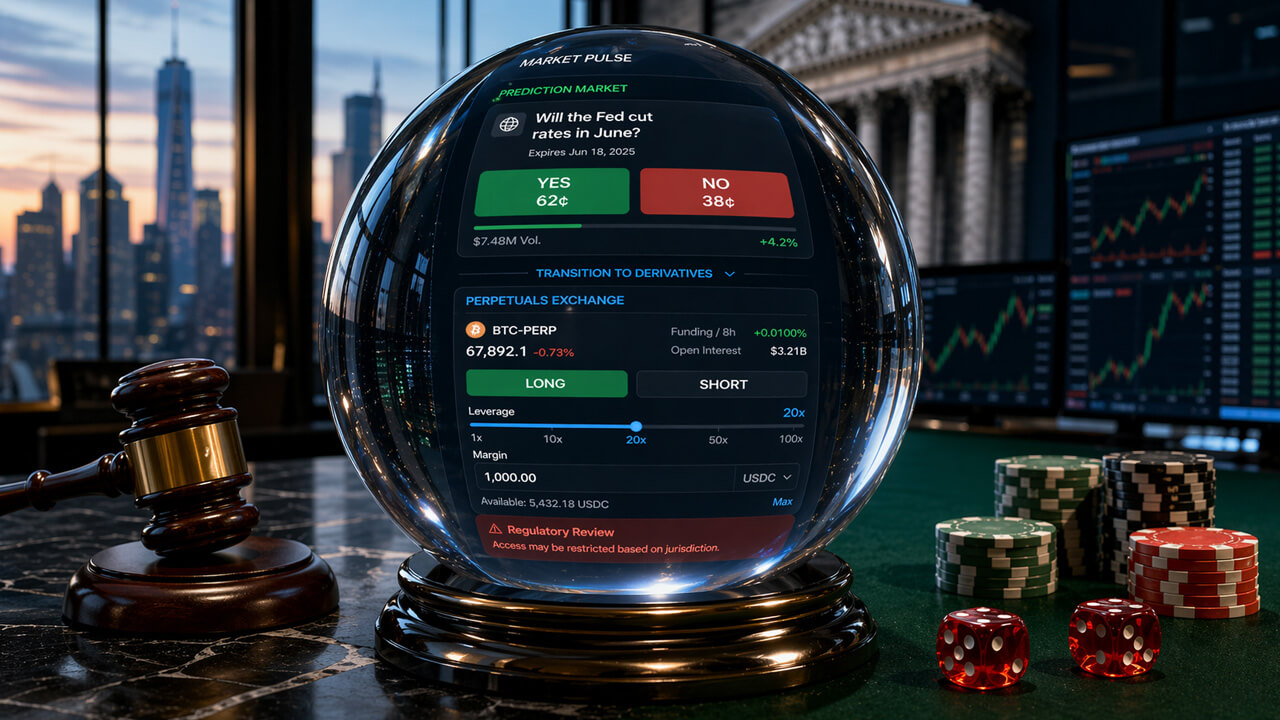
New York has made headlines with its recent announcement of a staggering $3.4 billion in fines targeting various crypto firms operating within the state. This legal action comes at a time when prediction platforms are rapidly adopting perpetual futures, transforming what were once isolated political bets into around-the-clock leveraged trading activities. This shift raises critical questions about how these platforms will be classified moving forward–whether they will be viewed as legitimate risk-hedging tools or as unregulated gambling operations that could face shutdown.
The backdrop to this situation is New York's increasingly stringent regulatory environment for cryptocurrencies. The state has long been at the forefront of crypto regulation in the United States, with the New York State Department of Financial Services (NYDFS) implementing a strict licensing regime for crypto-related businesses. As the crypto landscape evolves, so too do the regulations, often creating a climate of uncertainty for firms trying to navigate compliance while innovating their services. The introduction of perpetual futures on prediction markets like Kalshi and Polymarket adds another layer of complexity–these instruments allow users to trade on the outcomes of events, leveraging their positions in ways that could attract regulators' scrutiny.
The implications of this regulatory crackdown are significant for the market as a whole. If New York successfully enforces these fines and regulates prediction markets as gambling operations, it could deter other states from adopting a more lenient stance toward crypto innovation. This could stifle the growth of prediction markets that have gained traction for their potential to democratize information and offer unique investment opportunities. Investors and users may find themselves facing stricter limitations on how they can engage with these platforms, impacting liquidity and market dynamics.
Industry reactions have varied, with some experts expressing concern over the potential chilling effect of such regulations on innovation within the crypto space. Others argue that the imposition of fines might be necessary for establishing a framework that ensures consumer protection and market integrity. The debate highlights the ongoing struggle between regulatory bodies and crypto firms, as both sides grapple with the challenges of an industry that often outpaces traditional regulatory frameworks. The outcome of this confrontation could dictate the future landscape of crypto markets, influencing how firms operate and how users engage with these technologies.
Looking ahead, the next steps will be crucial for both regulators and crypto firms. As the legal battles unfold, it will be essential for platforms to adapt to the evolving regulatory environment while continuing to innovate. Companies may need to reconsider their offerings or explore compliance strategies that align with regulatory expectations. For investors and users of prediction markets, the landscape may shift dramatically, depending on how these legal challenges play out. The coming months will likely reveal whether New York's regulatory stance will serve as a blueprint for other jurisdictions or if it will spark a backlash that could lead to a more decentralized approach to crypto regulation.
CM
Команда CoinMagnetic
Криптоинвесторы с 2017 года. Торгуем на собственные деньги, тестируем каждую биржу лично.
Обновлено: апрель 2026 г.
Читайте в нашей аналитике:
Хочешь узнавать новости первым?
Подписывайся на наш Telegram-канал – публикуем важные новости и аналитику.
Подписаться на канал