РегулированиеНейтрально
KuCoin EU hires anti-money laundering talent to appease Austrian regulator
Источник: CoinDesk
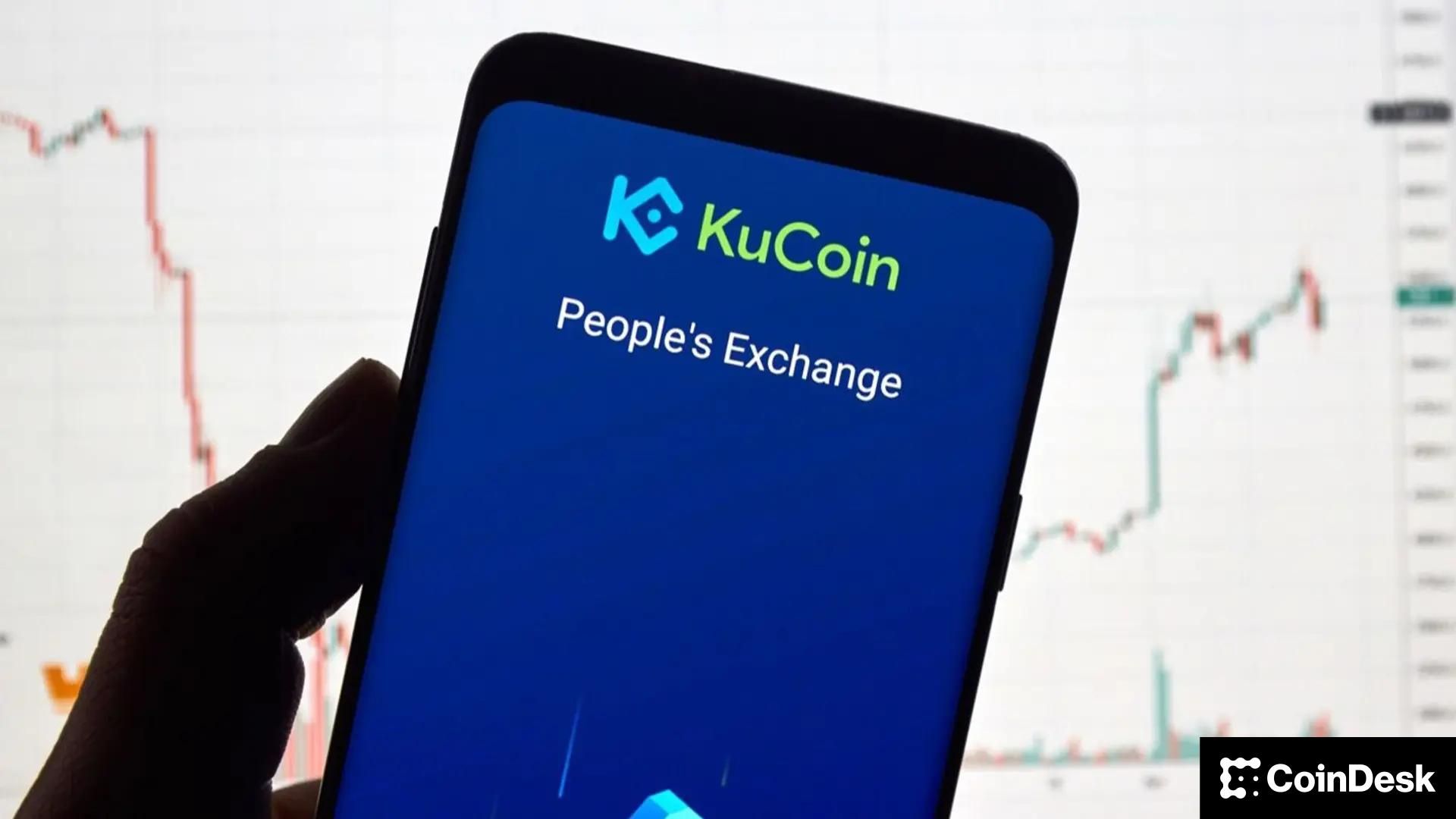
KuCoin, a prominent cryptocurrency exchange, has recently taken significant steps to address regulatory concerns raised by Austria's Financial Market Authority (FMA). Following an order to halt its business operations within the European Union, KuCoin is now bolstering its anti-money laundering (AML) capabilities by hiring experienced compliance professionals. This move aims to satisfy the FMA's demands for enhanced regulatory adherence, particularly in the realm of AML practices. The exchange's commitment to strengthening its compliance framework reflects an urgent response to avoid further regulatory penalties and to re-establish its operational status in the EU.
The FMA's directive for KuCoin to suspend its activities is rooted in a broader context of increasing scrutiny on cryptocurrency exchanges across Europe. Regulatory bodies have been ramping up their enforcement efforts to ensure that firms comply with stringent AML regulations, which are designed to prevent illicit activities such as money laundering and terrorist financing. This trend is reflective of the European Union's overarching goal to create a safer financial environment, particularly in light of the rapid growth of the cryptocurrency market. As a result, exchanges like KuCoin are under pressure to demonstrate their commitment to compliance and transparency.
The implications of KuCoin's recent hires extend beyond the immediate operational concerns. By strengthening its AML team, KuCoin aims to enhance its reputation and regain the trust of regulators, investors, and users alike. The exchange's proactive approach may serve as a bellwether for the broader market, signaling to other operators that compliance is increasingly non-negotiable in the face of regulatory scrutiny. This could lead to a shift in how exchanges operate, with a greater emphasis on robust compliance frameworks becoming a standard practice across the industry.
Industry reaction to KuCoin's strategic hires has been mixed, with some experts praising the move as a necessary step towards regulatory compliance, while others express skepticism about whether such efforts will be sufficient. Many in the cryptocurrency space recognize the importance of adhering to AML regulations, yet there are concerns that the rapid pace of regulatory change may continue to challenge exchanges' ability to meet compliance standards. Industry insiders also highlight that while hiring compliance talent is a positive step, it is merely one piece of a larger puzzle that involves ongoing dialogue with regulators and the development of comprehensive compliance strategies.
Looking ahead, KuCoin's efforts to bolster its compliance team will likely be closely monitored by both regulators and competitors. As the exchange works to align itself with the FMA's expectations, it will be crucial for them to demonstrate tangible results in their AML efforts. The outcomes of these initiatives could not only impact KuCoin's future operations in the EU but also set a precedent for how other exchanges approach compliance in a regulatory landscape that is evolving rapidly.

Читайте в нашей аналитике:
Хочешь узнавать новости первым?
Подписывайся на наш Telegram-канал – публикуем важные новости и аналитику.
Подписаться на канал