РынокНейтрально
Iran war bets turn prediction markets into real-time macro radar: Sygnum
Источник: Cointelegraph
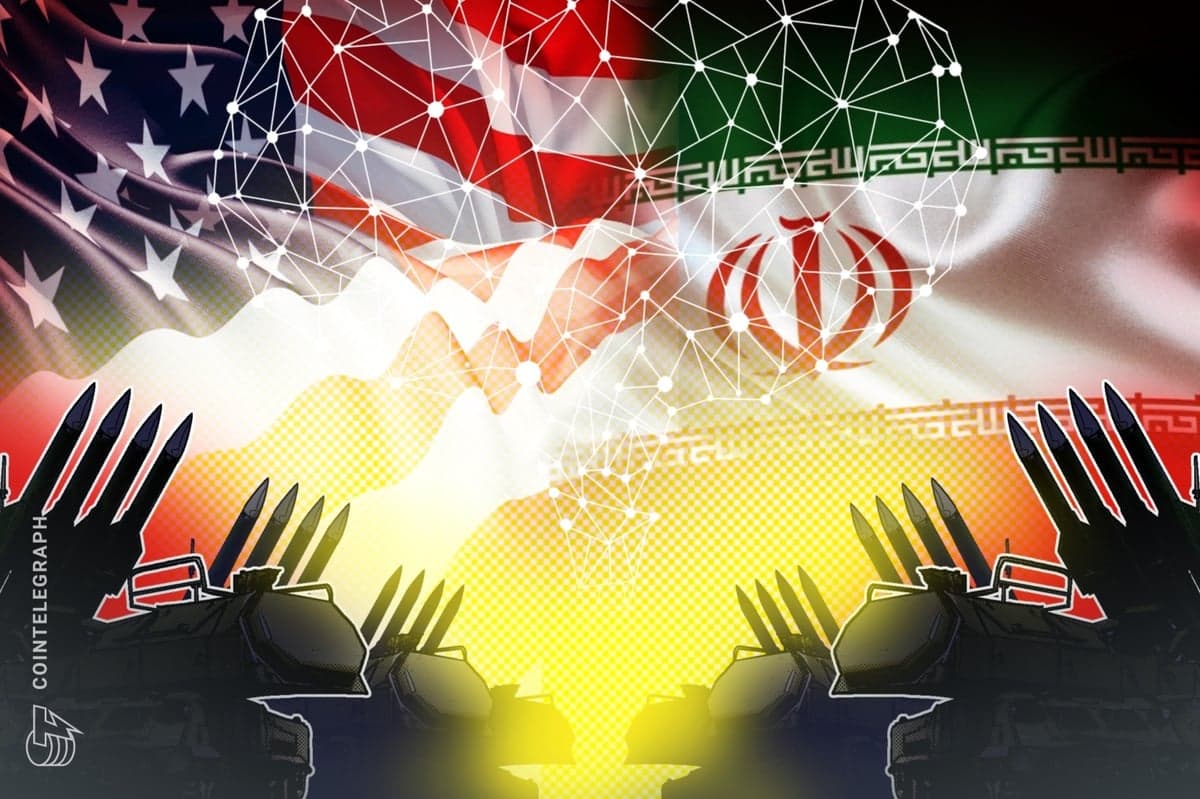
Recently, the ongoing geopolitical tensions surrounding Iran have led to fluctuations in prediction markets, particularly on platforms like Polymarket and Kalshi. According to Fabian Dori from Sygnum, these markets are transitioning into vital tools for macroeconomic analysis, especially for crypto desks. With the uncertainty surrounding potential conflict escalating, traders are not only placing bets on the likelihood of war but also using these odds to gauge broader market sentiment. This evolving trend highlights the intersection of geopolitics and digital finance, as the outcomes of such predictions can significantly influence investor behavior and market dynamics.
The rise of prediction markets is not a new phenomenon; they have been around for years as platforms for individuals to wager on the outcomes of events. However, their growing relevance within the crypto sector signals a shift in how traders and analysts view these tools. In the context of the geopolitical landscape, the stakes have never been higher. With the potential for conflict having far-reaching implications for global markets, the ability to monitor sentiment through prediction markets is becoming increasingly valuable. This shift reflects a broader trend where traditional finance and digital assets are increasingly intertwined, with prediction markets offering real-time insights that can inform trading strategies.
This development is significant for the cryptocurrency market as it underscores the importance of external factors–like geopolitical tensions–in shaping investor sentiment. As prediction markets provide a platform for gauging the likelihood of various outcomes, they can serve as a barometer for market movements. Increased volatility in traditional markets often spills over into the crypto space, and understanding these relationships can help traders make more informed decisions. Dori’s insights suggest that as the world becomes more uncertain, the tools available for analyzing risk will evolve, and prediction markets are at the forefront of this change.
Industry reactions to this trend have been varied, with some experts lauding the potential of prediction markets to enhance decision-making processes. Others remain skeptical, pointing out that the volatility and speculative nature of these markets can lead to erratic behavior that might not always accurately reflect real-world events. Nevertheless, Dori emphasizes that the integration of prediction markets into macroeconomic frameworks signals a maturation of the crypto industry, as traders seek more nuanced tools to navigate an increasingly complex landscape.
Looking ahead, it will be interesting to see how prediction markets evolve in response to ongoing global events. As tensions continue to simmer in various regions, we may witness an uptick in participation on these platforms, further solidifying their role in the financial ecosystem. For crypto traders, the ability to leverage these insights could become a key differentiator in a landscape that demands agility and informed decision-making. As we move forward, the interplay between prediction markets and broader macroeconomic indicators is likely to deepen, offering a new layer of analysis for those navigating the intricate world of cryptocurrency.
CM
Команда CoinMagnetic
Криптоинвесторы с 2017 года. Торгуем на собственные деньги, тестируем каждую биржу лично.
Обновлено: апрель 2026 г.
Хочешь узнавать новости первым?
Подписывайся на наш Telegram-канал – публикуем важные новости и аналитику.
Подписаться на канал


