РынокНейтрально
Iran calls out “digital oil” trade amid volatile US-Iran ceasefire trading
Источник: CryptoSlate
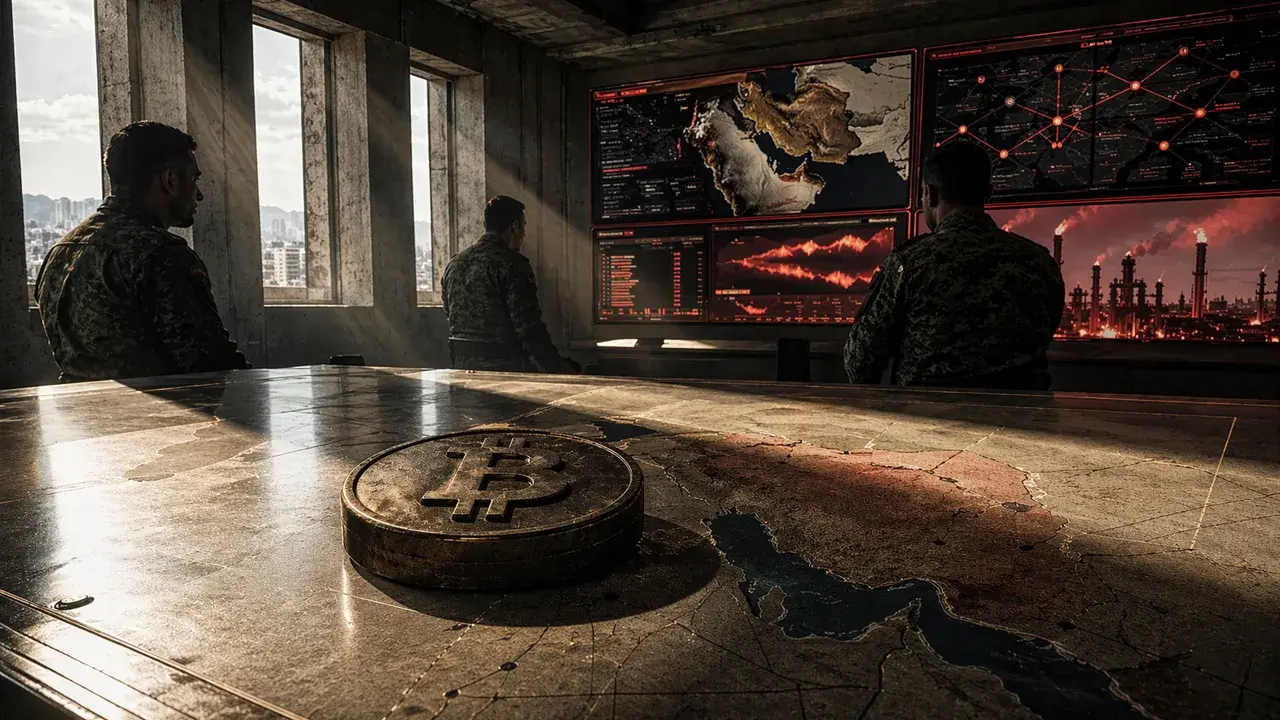
Tehran's recent commentary on “digital oil” trade underscores the complex interplay between cryptocurrency and geopolitical tensions, particularly between the US and Iran. During a live address amid rising tensions in the Strait of Hormuz, Iran’s parliament speaker, Mohammad Bagher Ghalibaf, criticized what he referred to as “vibe-trading digital oil.” This phrase reflects Iran's growing concerns over how digital assets are impacting traditional commodity trading, especially amidst volatile conditions. Ghalibaf's remarks also included a pointed critique of US Treasuries, indicating a broader frustration with the United States’ influence on the global financial landscape.
To understand the significance of these comments, it's essential to consider the historical context of US-Iran relations. The two nations have been at odds for decades, especially following the re-imposition of sanctions by the US after exiting the Joint Comprehensive Plan of Action (JCPOA). These sanctions have severely restricted Iran's ability to trade oil, pushing the country to explore alternative avenues, including cryptocurrencies and digital assets. Iran has been increasingly looking to leverage its vast oil reserves in innovative ways, suggesting that “digital oil” could be a means of circumventing traditional financial systems dominated by the US dollar.
The implications of Ghalibaf's statements are profound for the cryptocurrency market. As Iran hints at a potential new paradigm in trading oil through digital assets, it raises questions about the future of commodities trading on blockchain platforms. If Iran successfully integrates cryptocurrency into its oil trade, it could lead to a significant shift in how oil transactions are conducted globally. This development could challenge the dollar's dominance in oil trading, potentially opening the door for other nations to follow suit, which may further destabilize traditional financial systems.
Industry experts have weighed in on the ramifications of Iran's push for “digital oil.” Analysts suggest that while the concept is ambitious, significant hurdles remain, including regulatory compliance and the establishment of a secure trading infrastructure. Furthermore, the volatility of cryptocurrencies poses risks that could deter traditional buyers and sellers from embracing this new model. Nevertheless, the discussion has sparked interest within the crypto community, as it highlights the potential for blockchain technology to disrupt longstanding financial practices and create new avenues for international trade.
Looking ahead, the evolution of Iran's “digital oil” concept could serve as a litmus test for the broader adoption of cryptocurrencies in global trade. As Iran navigates its geopolitical challenges, its actions may inspire other nations facing similar sanctions to explore digital alternatives. The coming months will be crucial in determining whether this approach gains traction or remains a theoretical discussion. It will also be interesting to see how international markets respond, particularly if Iran begins to implement its vision for “digital oil” and whether other countries may follow suit in adopting similar strategies.
CM
Команда CoinMagnetic
Криптоинвесторы с 2017 года. Торгуем на собственные деньги, тестируем каждую биржу лично.
Обновлено: апрель 2026 г.
Читайте в нашей аналитике:
Хочешь узнавать новости первым?
Подписывайся на наш Telegram-канал – публикуем важные новости и аналитику.
Подписаться на канал