РегулированиеНегативно
Elon Musk’s Fight With Colorado Over AI Law Hits Pause as State Considers Revisions
Источник: Decrypt
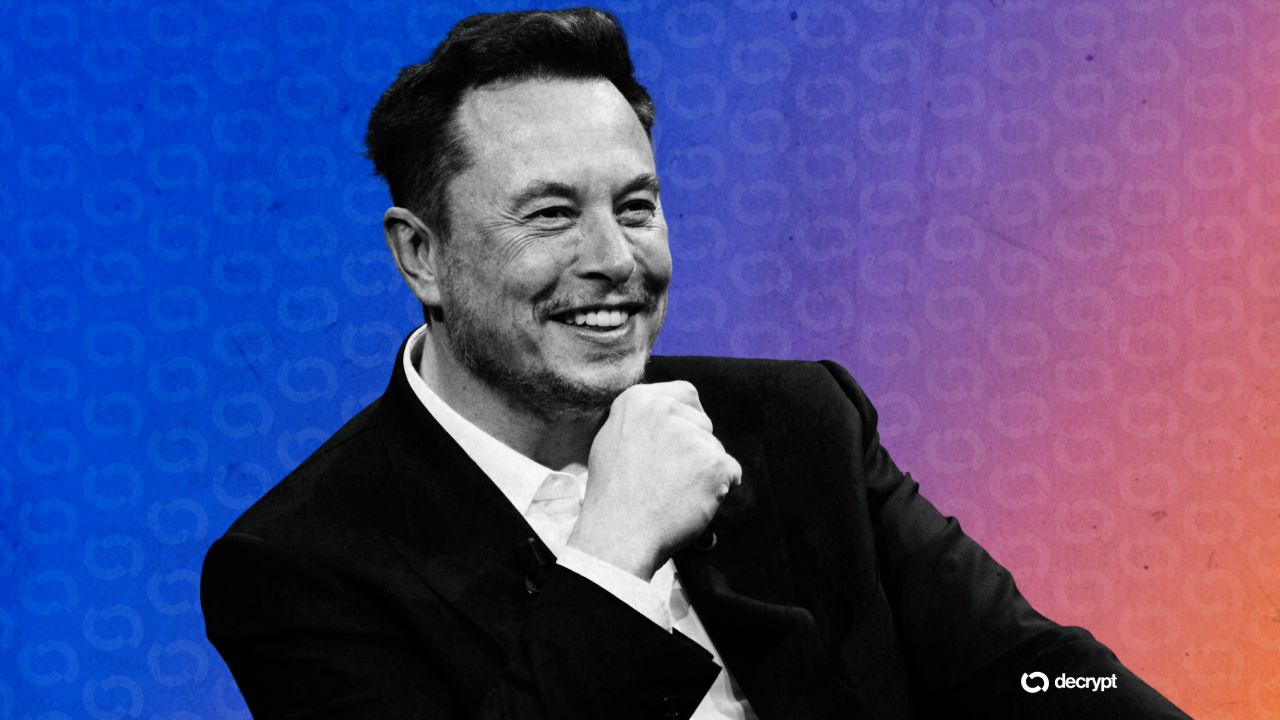
Elon Musk's legal battle with the state of Colorado regarding artificial intelligence regulations has taken a significant turn, as recent developments have led to a pause in the proceedings. The joint motion filed by Musk's xAI and Colorado's legal representatives effectively halts deadlines and enforcement related to the lawsuit. This strategic pause comes at a critical moment when lawmakers in Colorado are considering potential revisions to the state’s controversial AI bias law. The ongoing discussions aim to reshape the legal landscape surrounding AI practices, which has become a focal point of contention in the tech industry.
The backdrop of this legal conflict revolves around the increasing scrutiny of AI technologies and their implications for fairness and discrimination. Colorado's AI bias law, which seeks to address concerns over algorithmic bias and its impact on various sectors, has faced criticism from industry leaders, including Musk. His concerns highlight a broader debate about the balance between regulation and innovation in the rapidly evolving AI sector. The state's lawmakers are now confronted with the challenge of crafting legislation that effectively addresses these issues without stifling technological advancement.
The implications of this pause are profound for the market, particularly for companies involved in AI development. As the legal landscape shifts, businesses may find themselves navigating a more complex regulatory environment. The ongoing discussions in Colorado could set precedents that influence similar legislation in other states, potentially affecting the entire AI industry. Investors and stakeholders will be closely monitoring these developments, as the outcome may impact not only the operational frameworks of AI companies but also their market valuations.
Industry experts have weighed in on the situation, emphasizing the need for a balanced approach to AI governance. Many believe that while regulation is necessary to prevent bias and ensure ethical AI usage, overly stringent laws could hinder innovation. Some analysts argue that the pause in proceedings allows for a more thoughtful consideration of the law's implications, which could ultimately lead to a more effective regulatory framework. Reactions from tech leaders and advocacy groups have ranged from cautious optimism to concern, as the future of AI regulation remains uncertain.
Looking ahead, the potential revisions to Colorado's AI law could pave the way for a more nuanced understanding of AI's role in society. As lawmakers continue their deliberations, stakeholders in the tech industry will be keenly observing the process. The outcome of this legal pause and the subsequent changes to the law may not only influence the direction of xAI's lawsuit but could also ripple throughout the broader AI ecosystem. As we await further developments, the ongoing conversation around AI regulation is poised to shape the future of technology in significant ways.

Читайте в нашей аналитике:
Хочешь узнавать новости первым?
Подписывайся на наш Telegram-канал – публикуем важные новости и аналитику.
Подписаться на канал