РынокНейтрально
Dubai clarifies token issuance rules for RWAs and stablecoins
Источник: Cointelegraph
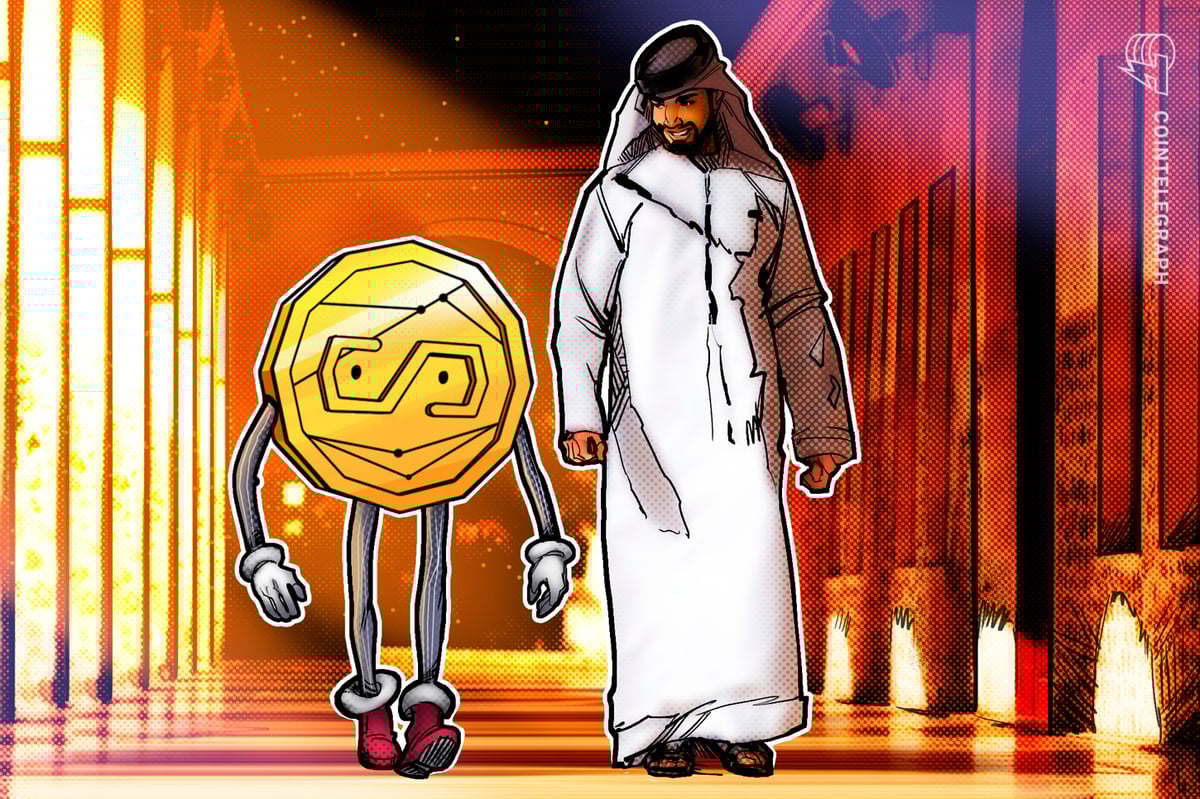
Dubai's regulatory landscape for digital assets has recently undergone significant changes, as the emirate's financial regulator has issued new guidance concerning the issuance of tokens. This new framework categorizes token launches into three distinct buckets: stablecoins, real-world assets (RWAs), and other digital assets. The updated regulations aim to tighten disclosure requirements and governance standards specifically for stablecoins and RWAs, which are increasingly becoming focal points in the global cryptocurrency market.
The decision to clarify token issuance rules comes in response to the growing popularity of RWAs and stablecoins, which have garnered substantial attention from investors and regulators alike. Over the past few years, Dubai has positioned itself as a leading hub for digital asset innovation, attracting numerous blockchain and crypto companies. However, as the market has expanded, so too have concerns regarding transparency, security, and compliance. The new guidance reflects the regulators' intent to ensure a robust framework that supports innovation while safeguarding investors and the broader financial ecosystem.
This regulatory move is significant for the market as it sets a precedent for other jurisdictions considering similar measures. By establishing clear categories and expectations for token issuance, Dubai aims to foster a more stable environment for digital assets, which could enhance investor confidence. The emphasis on governance and disclosure standards is particularly noteworthy, as it addresses ongoing concerns about the risks associated with stablecoins and RWAs. Such a proactive approach may encourage more institutional participation in the cryptocurrency market, potentially leading to increased liquidity and a more mature trading environment.
Industry reactions to these developments have been mixed, with some experts applauding the clarity provided by the new regulations, while others express concerns about the potential for overregulation. Proponents argue that a well-defined regulatory framework can help mitigate risks and encourage responsible innovation. Conversely, critics caution that overly stringent requirements may stifle creativity and deter startups from entering the market. As the dialogue continues, stakeholders emphasize the importance of balancing regulatory oversight with the need for flexibility to adapt to the rapidly evolving nature of digital assets.
Looking ahead, the implications of Dubai's new token issuance guidelines will likely unfold in the coming months as companies adjust to the updated requirements. As more details emerge and the market reacts, it will be essential to monitor how these changes influence the development of RWAs and stablecoins, as well as the overall crypto ecosystem in Dubai and beyond. The success of this regulatory framework could serve as a model for other regions seeking to navigate the complexities of digital asset regulation while fostering innovation and growth.
Команда CoinMagnetic
Криптоинвесторы с 2017 года. Торгуем на собственные деньги, тестируем каждую биржу лично.
Обновлено: апрель 2026 г.
Хочешь узнавать новости первым?
Подписывайся на наш Telegram-канал – публикуем важные новости и аналитику.
Подписаться на канал