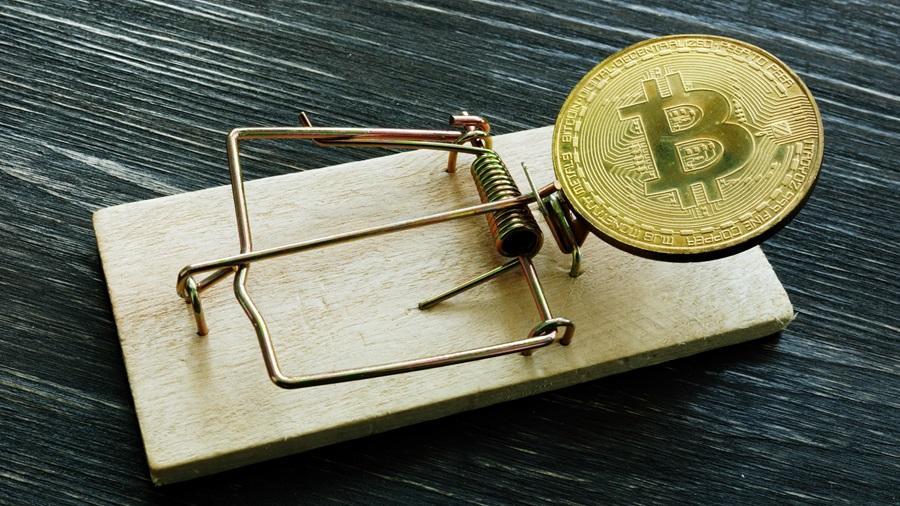
Circle, the issuer of the USD Coin (USDC), is currently under intense scrutiny after a significant breach involving the theft of approximately $230 million in USDC. This incident occurred during the recent exploit of the Solana-based Drift Protocol, which has now become the largest decentralized finance (DeFi) hack of 2026. Following the April 1 attack, many in the crypto community are questioning Circle's response, especially given that the company froze legitimate accounts shortly after the incident but took no decisive action to halt the flow of the stolen funds through its proprietary bridge. This has raised serious concerns about the security protocols in place and the potential repercussions for users and investors alike.
To understand the gravity of this situation, it is essential to recognize the growing significance of USDC in the broader cryptocurrency landscape. As one of the leading stablecoins, USDC has been widely adopted for various transactions, including trading, lending, and payments. Circle's role as both a stablecoin issuer and a bridge operator makes it particularly vulnerable to scrutiny, especially following a high-profile hack that raises questions about its operational integrity and risk management practices. This incident not only affects Circle's reputation but also spotlights the vulnerabilities inherent in DeFi protocols, which have been increasingly targeted by malicious actors.
The implications of this breach extend beyond Circle itself and could have lasting effects on the market. Investors and users may grow more cautious about using USDC, especially if they perceive a lack of security and responsiveness from its issuer. Furthermore, this incident could lead to increased regulatory scrutiny as authorities take a closer look at the practices of stablecoin issuers and DeFi platforms. The potential fallout could result in a ripple effect throughout the cryptocurrency ecosystem, leading to fluctuations in stablecoin usage and a reevaluation of security protocols across the board.
Industry reactions to the incident have been swift, with blockchain researchers and analysts weighing in on the implications of Circle's actions–or lack thereof. Experts have pointed out that the failure to block the flow of stolen funds raises significant questions about the effectiveness of existing security measures in the DeFi space. Many have called for the implementation of more robust systems to prevent similar incidents in the future. Additionally, discussions are emerging around the need for clearer guidelines and regulations governing the operation of stablecoins and DeFi platforms to protect users from potential losses.
Looking ahead, it remains to be seen how Circle will respond to this mounting criticism and what steps they will take to restore confidence in their platform. The company may need to reevaluate its security measures and communication strategies to mitigate the damage to its reputation. Moreover, the broader DeFi community will likely engage in discussions about improving security protocols to prevent future exploits, ensuring that the lessons learned from this incident lead to actionable changes within the industry. As the situation develops, stakeholders will be closely monitoring Circle's next moves and any potential regulatory implications that may arise as a result of this significant breach.
Хочешь узнавать новости первым?
Подписывайся на наш Telegram-канал – публикуем важные новости и аналитику.
Подписаться на канал