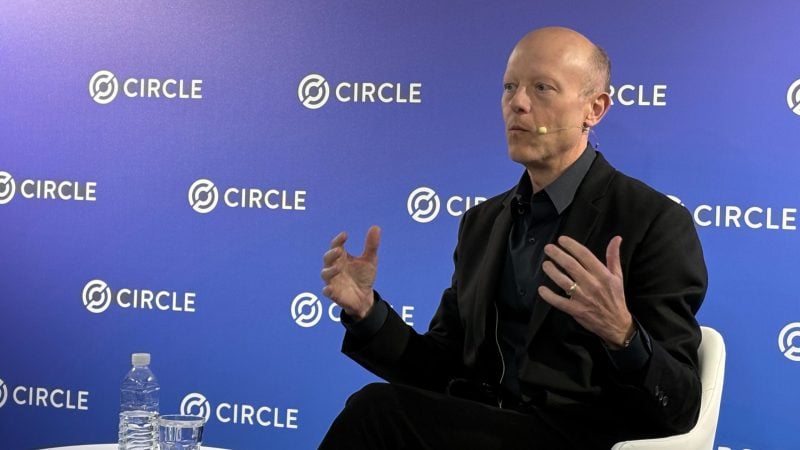
Circle CEO Jeremy Allaire recently addressed the controversial decision not to freeze USDC following the exploit on Drift, a decentralized trading platform. In a public statement, Allaire articulated that the company's choice stemmed from a complex moral quandary, emphasizing that Circle has a “very clear performance obligation” to uphold the law while respecting the principles of decentralization. The incident has sparked significant discussion in the crypto community, highlighting the challenges faced by centralized stablecoin issuers when dealing with security breaches in decentralized platforms.
This situation emerges against the backdrop of heightened scrutiny on the regulatory frameworks governing cryptocurrencies and stablecoins. As decentralized finance (DeFi) platforms gain traction, they often operate outside traditional financial systems, presenting unique challenges for centralized entities like Circle. The Drift exploit, which resulted in significant losses, raised questions about the responsibilities of stablecoin issuers when their assets are involved in hacks or unauthorized transactions. In this context, Allaire's remarks underline the delicate balance between maintaining regulatory compliance and adhering to the decentralized ethos that many in the crypto space champion.
The implications of Circle's decision not to intervene are substantial for the broader cryptocurrency market. By refraining from freezing USDC, Circle is reinforcing the notion that stablecoins can operate under a different set of expectations compared to traditional financial instruments. This move may bolster confidence among users who value the autonomy and self-custody principles of DeFi, potentially attracting more participants to the ecosystem. However, it also raises concerns about the security and stability of assets tied to decentralized platforms, highlighting the risks involved for investors and traders alike.
Industry reactions to Allaire's defense have been mixed, with some experts praising Circle for upholding decentralized principles, while others criticize the decision as a failure to protect users. Proponents argue that allowing the market to correct itself aligns with the foundational ideals of cryptocurrency, promoting resilience and responsibility among users. Conversely, detractors contend that Circle's inaction could set a troubling precedent, potentially leading to greater losses and diminished trust in stablecoins as a safe harbor in volatile markets.
Looking ahead, the Drift exploit and Circle's response may prompt a reevaluation of governance and operational protocols within the DeFi space. As the industry continues to evolve, discussions around the responsibilities of stablecoin issuers and decentralized platforms will likely intensify. Stakeholders may call for clearer guidelines and frameworks to navigate these complex scenarios, ensuring that both innovation and user protection are prioritized as the crypto landscape matures.
Команда CoinMagnetic
Криптоинвесторы с 2017 года. Торгуем на собственные деньги, тестируем каждую биржу лично.
Обновлено: апрель 2026 г.
Хочешь узнавать новости первым?
Подписывайся на наш Telegram-канал – публикуем важные новости и аналитику.
Подписаться на канал