РынокНейтрально
China Orders Jack Dorsey's Bitchat Pulled from Apple App Store
Источник: Decrypt
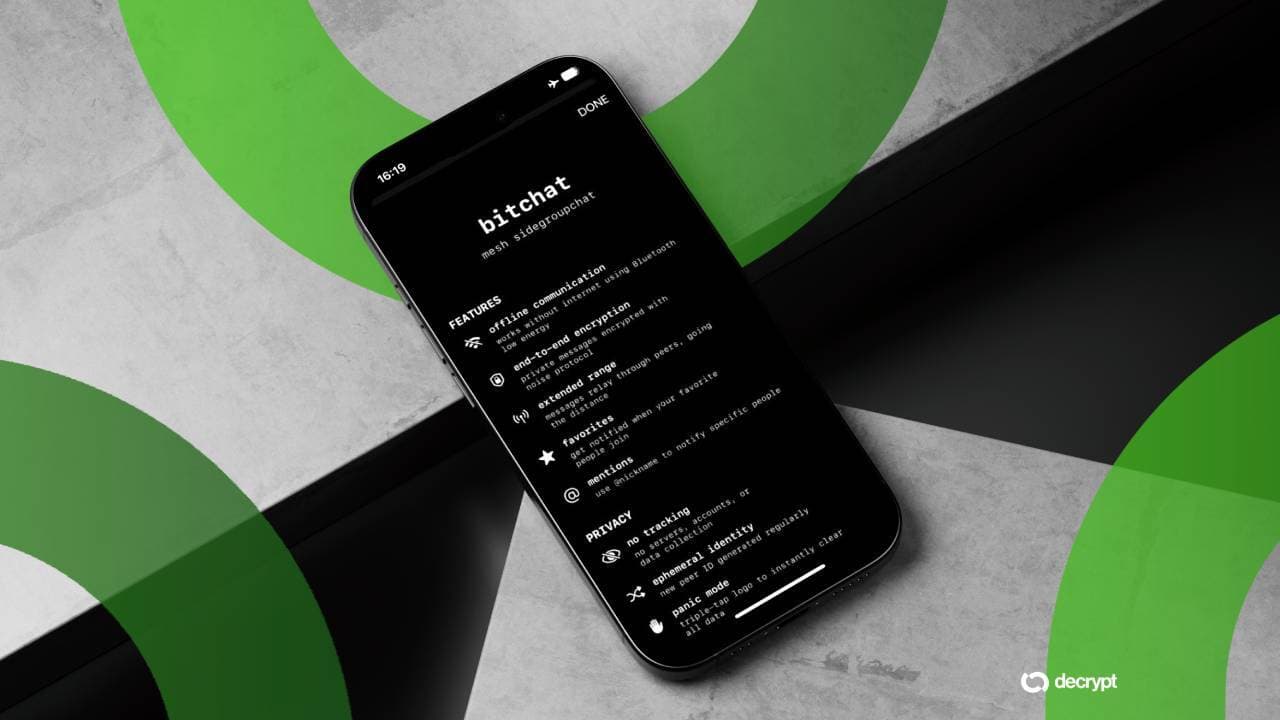
In a recent development that has sparked significant discussion within the tech and crypto communities, Chinese authorities have ordered the removal of Jack Dorsey's decentralized messaging app, Bitchat, from the Apple App Store. This action comes in the wake of the app's growing popularity among protestors in various countries, including Nepal, Madagascar, and Iran, where users have relied on its peer-to-peer capabilities to communicate securely and without censorship. The decision highlights the ongoing tension between decentralized technology and government restrictions, particularly in regions where freedom of speech is heavily monitored.
Bitchat, which promotes itself as a censorship-resistant platform, has emerged as a vital tool for those seeking to bypass traditional communication channels that are often vulnerable to surveillance and government interference. Its ability to function without a central server allows users to exchange messages directly, making it more difficult for authorities to track conversations. The app's rise has coincided with a global push for privacy and security in communications, especially in areas experiencing political unrest. The Chinese government's swift action demonstrates its commitment to controlling digital narratives and limiting access to tools that could empower dissenting voices.
The implications of this order extend beyond the immediate removal from an app store. For the broader market, it raises questions about the viability of decentralized platforms in authoritarian contexts. Investors and developers may reassess the potential of building similar applications if they face similar pushback from governments. Additionally, the incident may provoke discussions about regulatory frameworks surrounding decentralized technologies, as the balance between innovation and compliance becomes increasingly complex. The market's response to such actions could influence the development and adoption of decentralized applications in various regions.
Industry reactions have been swift, with many experts expressing concern over the chilling effect this could have on free speech and innovation. Advocates for decentralized technology argue that such moves by governments only serve to highlight the necessity of these tools, as they provide a lifeline for those in oppressive regimes. Some industry leaders have called for greater collaboration among developers to create resilient platforms that can withstand governmental pressure. Meanwhile, others emphasize the need for users to remain aware of their digital rights and the tools available to protect them.
Looking ahead, the future of Bitchat and similar applications may hinge on how they adapt to regulatory challenges and user demands for privacy. Developers may need to enhance the security features of their platforms to ensure continued access in restrictive environments. Additionally, emerging technologies such as blockchain could play a pivotal role in providing solutions that resist censorship while safeguarding user privacy. As the landscape continues to evolve, the interplay between decentralized technologies and state regulations will undoubtedly shape the future of digital communication.
CM
Команда CoinMagnetic
Криптоинвесторы с 2017 года. Торгуем на собственные деньги, тестируем каждую биржу лично.
Обновлено: апрель 2026 г.
Хочешь узнавать новости первым?
Подписывайся на наш Telegram-канал – публикуем важные новости и аналитику.
Подписаться на канал
