РынокНейтрально
Polymarket expands into equities and commodities with Pyth price feeds
Источник: Cointelegraph
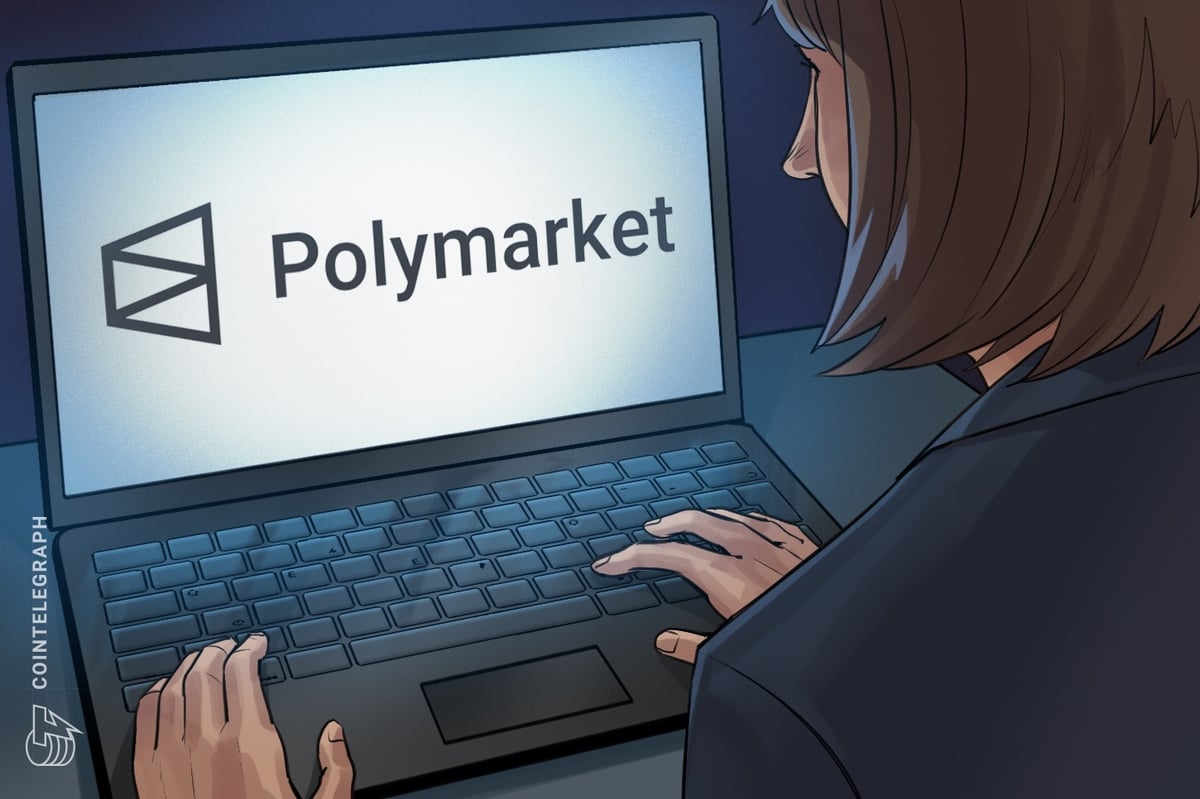
Polymarket has recently announced an expansion into equities and commodities, marking a significant shift for the popular prediction market platform. This development will allow users to engage in price-based contracts tied to various stocks and commodities, providing an innovative approach to trading and speculation. The platform will utilize Pyth data feeds as the resolution source, which means that outcomes will be automatically settled based on real-time price data. This integration aims to enhance the accuracy and reliability of the contracts, making the trading experience more seamless for users.
The decision to diversify into equities and commodities comes at a time when the popularity of prediction markets is on the rise. Traditionally focused on political events and entertainment outcomes, platforms like Polymarket are now exploring more mainstream financial instruments. By leveraging Pyth's high-frequency price feeds, which aggregate data from numerous sources, Polymarket is positioning itself to attract a broader audience, including traders who are more familiar with traditional financial markets. This move reflects an ongoing trend in the crypto space where decentralized platforms are increasingly encroaching on conventional financial systems.
This expansion could have significant implications for the market, particularly for how traders view and interact with prediction markets. By offering contracts linked to equities and commodities, Polymarket is not just tapping into a new revenue stream but also challenging the traditional trading dynamics. It presents an alternative mechanism for price speculation, potentially attracting traders seeking more efficient ways to hedge and take positions on asset movements. Furthermore, it could lead to increased liquidity on the platform, benefiting both traders and the ecosystem as a whole.
Industry experts have expressed a mix of excitement and caution regarding Polymarket's foray into equities and commodities. Some see it as a natural evolution of the platform, reflecting a growing demand for innovative trading options. Others, however, have raised concerns about regulatory implications and the challenges of ensuring accurate price feeds in a space that is still relatively new. Experts emphasize that while the use of Pyth data feeds can enhance reliability, the prediction market model itself must adapt to accommodate the complexities of equity and commodity trading.
Looking ahead, Polymarket's expansion could pave the way for further innovations within the prediction market space. As the platform integrates more financial products, we may see a broader acceptance of decentralized trading systems among traditional investors. The success of this venture will likely hinge on the platform's ability to maintain transparency, ensure compliance with evolving regulations, and continue to provide an engaging user experience. As the market watches closely, the next few months will be critical in determining how this bold move will reshape the future of prediction markets.
Хочешь узнавать новости первым?
Подписывайся на наш Telegram-канал – публикуем важные новости и аналитику.
Подписаться на канал