РынокНейтрально
Myriad Traders Predict US Boots in Iran After Downed Fighter Jet Prompts Rescue Mission
Источник: Decrypt
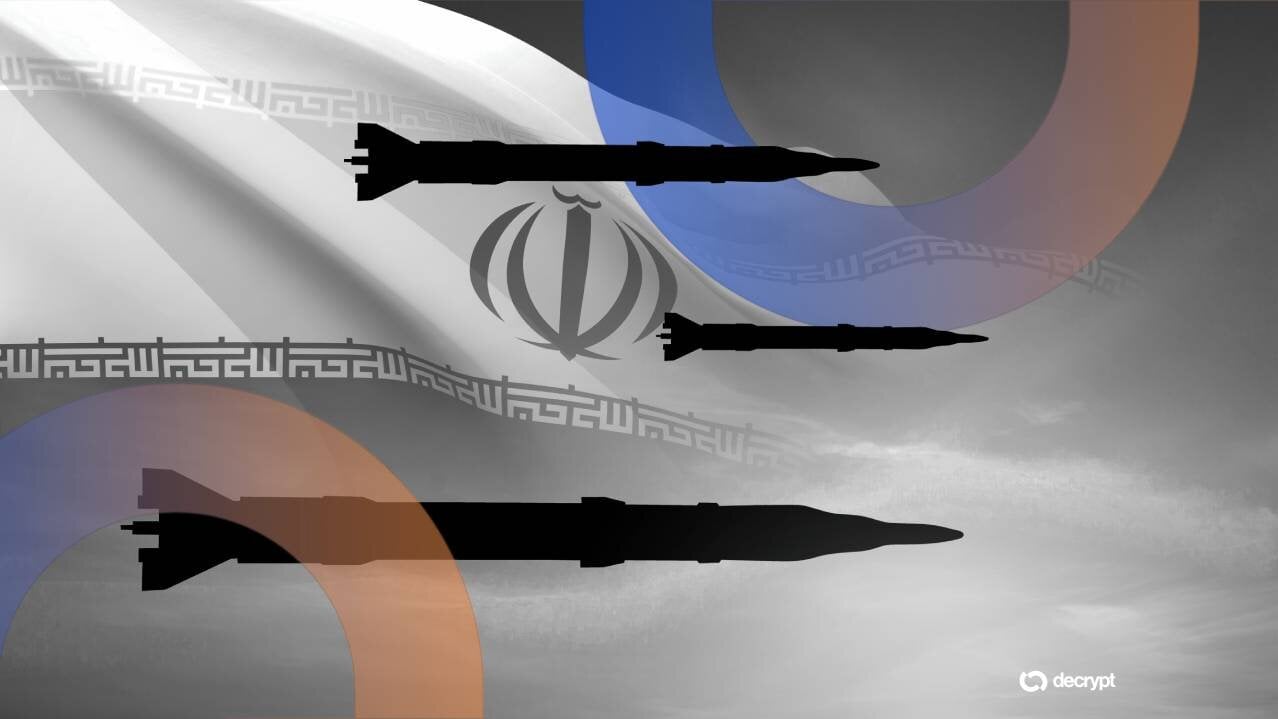
In a significant escalation of geopolitical tensions, news has emerged regarding the downing of a fighter jet, which has prompted discussions about potential U.S. military action in Iran. Reports indicate that the U.S. is considering various responses, including a possible rescue mission to recover the downed aircraft and its pilot. President Trump, reflecting on the situation, asserted that the Strait of Hormuz–a crucial maritime corridor for global oil shipments–could be reopened with relative ease, provided the U.S. takes decisive action.
The Strait of Hormuz has long been a focal point of conflict, particularly due to its strategic importance in international trade and energy supply. Historically, it has been the site of various military confrontations and diplomatic disputes, especially involving Iran and the United States. The current tension is reminiscent of past incidents where military engagement threatened broader conflict in the region. As nations closely monitor the situation, the potential for U.S. boots on the ground in Iran raises significant concerns about an escalation that could have far-reaching consequences.
For the cryptocurrency market, this geopolitical tension could lead to increased volatility as investors seek safe havens for their assets. Traditionally, periods of heightened uncertainty in global affairs have driven some investors toward cryptocurrencies, particularly Bitcoin, often seen as a store of value in times of crisis. Additionally, the potential for sanctions or economic repercussions from military action could influence the broader financial landscape, making digital currencies an attractive alternative for those looking to hedge against instability.
Industry experts have shared varied opinions regarding the implications of these developments. Some analysts suggest that if military action were to occur, it could lead to a spike in oil prices, further exacerbating economic conditions and driving more investors toward cryptocurrencies. Others caution that sustained conflict could result in regulatory crackdowns on the crypto industry, especially if governments perceive increased adoption of digital assets as a threat to their financial systems. With the crypto market already sensitive to external factors, the ramifications of these geopolitical events warrant close attention.
As the situation unfolds, market participants will be keenly watching for further developments. Any indication of U.S. military involvement in Iran or changes in diplomatic relations could trigger swift reactions across markets, including cryptocurrencies. The next steps taken by the U.S. administration and its allies will likely play a crucial role in shaping the immediate economic landscape, and consequently, the behavior of investors in the crypto space. This situation remains fluid, and we will continue to monitor the implications for the market as new information emerges.
Хочешь узнавать новости первым?
Подписывайся на наш Telegram-канал – публикуем важные новости и аналитику.
Подписаться на канал