RegulasiTurun
US Bankers push for 60 day delay to stop national stablecoin rules going live
Sumber: CryptoSlate
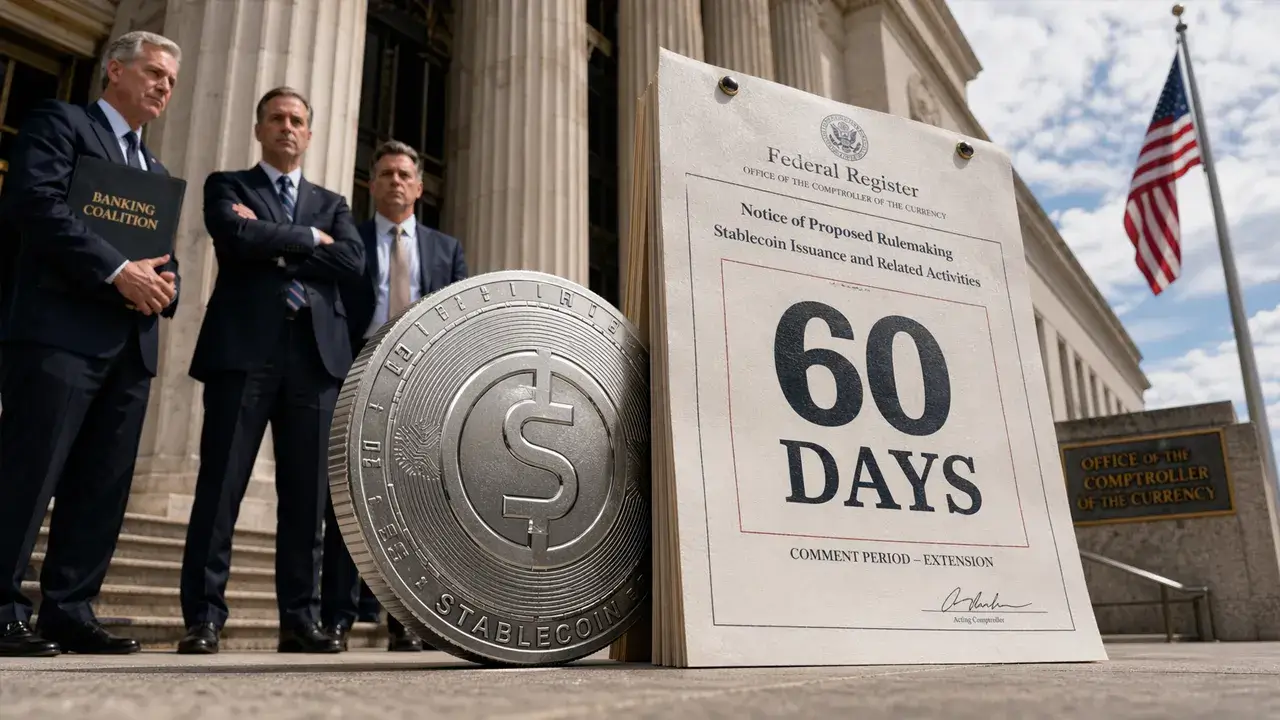
U.S. banking groups, including the American Bankers Association (ABA), are advocating for a 60-day delay in the federal rollout of the GENIUS Act, which aims to establish a regulatory framework for stablecoins. This push has emerged as a significant development in the ongoing struggle between traditional banking institutions and the burgeoning world of digital currencies. The delay is being sought to allow for further discussions and considerations around the implications of these regulations, which could significantly alter the landscape for stablecoin operations in the U.S. The ABA, alongside three other banking trade groups, is concerned about the potential encroachment of stablecoins on the territory long held by traditional bank deposits.
The GENIUS Act, which stands for the "Generating Environments Necessary for Innovation in the Financial Services Act," was introduced to create a cohesive regulatory environment for stablecoins. Stablecoins are digital assets pegged to traditional currencies, and their increasing popularity has raised alarms among traditional banks, who fear losing depositors to these alternative financial instruments. The financial landscape has been evolving rapidly, with stablecoins gaining traction among consumers and businesses alike. As more individuals look to utilize stablecoins for transactions and savings, effective regulation becomes essential to ensure consumer protection and financial stability.
This situation is crucial for the market as it underscores the tension between traditional banking and the rise of digital currencies. If the regulations outlined in the GENIUS Act are implemented without delay, banks may find themselves at a competitive disadvantage. The banking sector is already grappling with the challenge of adapting to digital transformations, and the introduction of stablecoins could further disrupt established business models. A delay in the enactment of these rules might provide banks with additional time to strategize and adapt their services, while also allowing regulators to better assess the potential risks and benefits associated with stablecoin integration.
Industry experts have expressed mixed reactions to the banking groups' request for a delay. Some argue that a pause could be beneficial for thorough stakeholder engagement and public discourse about the implications of stablecoins. Others, however, believe that delaying regulations could hinder innovation and prevent the U.S. from maintaining its competitive edge in the global digital currency space. This divide highlights the complexities of balancing regulatory oversight with the need for innovation within the rapidly changing financial landscape.
Looking ahead, the outcome of this request for a delay remains uncertain. If regulators grant the extension, it could set a precedent for further negotiations and discussions around stablecoin regulations. Conversely, if the rollout proceeds as planned, it may accelerate the adoption of stablecoins in the U.S. financial system. As the debate continues, stakeholders across the industry will be closely monitoring developments, anticipating how these decisions will shape the future of both traditional banking and digital currencies.
CM
Tim CoinMagnetic
Investor kripto sejak 2017. Kami berinvestasi dengan uang sendiri dan menguji setiap exchange secara langsung.
Diperbarui: April 2026
Dari analisis kami:
Ingin mendapatkan berita lebih awal?
Ikuti saluran Telegram kami – kami memposting berita dan analisis terkini.
Ikuti saluran