RegulasiNetral
US admiral who blasted crypto is now running a Bitcoin node for America’s security
Sumber: CryptoSlate
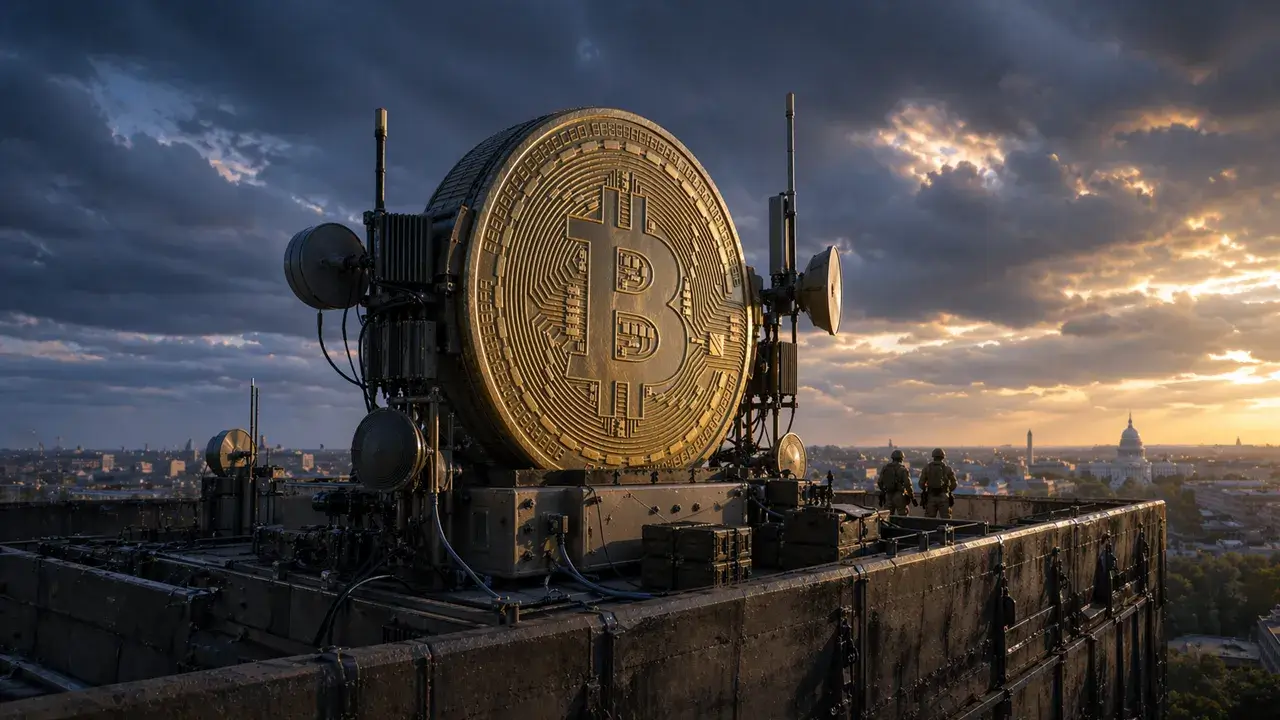
In a surprising turn of events, Admiral Samuel Paparo, who previously criticized cryptocurrencies, has now embraced Bitcoin technology by running a Bitcoin node as part of the U.S. Indo-Pacific Command (INDOPACOM). During a Senate Armed Services Committee session on April 21, Paparo highlighted the importance of the Bitcoin protocol in enhancing operational security and projecting military power. This move reflects a significant shift in the military's approach to digital assets, signaling a recognition of their potential role in national defense strategies.
To understand this development, it's essential to consider Admiral Paparo's past stance on cryptocurrencies. Previously, he had expressed skepticism towards digital currencies, citing concerns over their volatility and potential for illicit use. However, his recent decision to run a Bitcoin node indicates a broader understanding of the technology's potential benefits, especially in terms of cybersecurity and network resilience. The U.S. military's exploration into Bitcoin aligns with a growing trend among various defense organizations worldwide that are increasingly looking at blockchain technology as a means to enhance operational capabilities.
This shift is particularly important for the market as it reflects a growing acceptance of cryptocurrencies among traditional institutions. The endorsement of Bitcoin by high-ranking officials in the military could help to legitimize the asset class further, potentially attracting more institutional investment. As government bodies begin to recognize the strategic importance of blockchain technology, we may see an uptick in the development of regulatory frameworks that could foster a safer environment for crypto investments. This could lead to increased market stability and a more favorable landscape for innovation within the sector.
Industry reactions have been mixed, with some experts praising the military's initiative as a forward-thinking adoption of technology that can improve security protocols. Others remain cautious, pointing out that while blockchain offers advantages, the volatility and speculative nature of cryptocurrencies can pose risks. Analysts suggest that this duality must be navigated carefully, as the military's involvement in crypto could influence broader perceptions and regulatory measures. The dialogue surrounding military use of Bitcoin might also spur further discussions on how digital assets can coexist with national security imperatives.
Looking ahead, it will be interesting to see how this initiative evolves and what implications it may have for the broader crypto landscape. As the military continues to experiment with blockchain technology, other governmental and defense organizations might follow suit, leading to increased research and investment in this space. Additionally, the potential for collaboration between military and private sector entities could yield innovative applications of cryptocurrency technology, further integrating it into mainstream operations. The coming months will likely reveal more about how this strategic use of Bitcoin could shape both defense mechanisms and the future of the crypto market.
CM
Tim CoinMagnetic
Investor kripto sejak 2017. Kami berinvestasi dengan uang sendiri dan menguji setiap exchange secara langsung.
Diperbarui: April 2026
Dari analisis kami:
Ingin mendapatkan berita lebih awal?
Ikuti saluran Telegram kami – kami memposting berita dan analisis terkini.
Ikuti saluran