RegulasiTurun
Stablecoins not a threat to banks in near term: Moody's analyst
Sumber: Cointelegraph
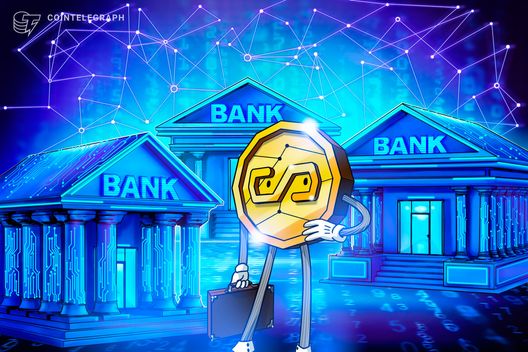
Recent insights from a Moody's analyst have concluded that stablecoins do not pose a significant threat to traditional banks in the near term. The analyst's assessment is grounded in the current regulatory landscape, which includes a prohibition on yield-bearing stablecoins in the United States. This regulatory framework, combined with the robust payments infrastructure already established by banks, suggests that stablecoins are unlikely to capture a meaningful portion of the banking market anytime soon.
To understand this assessment, it's important to consider the evolution of stablecoins and their intended purpose. Initially designed to provide a digital alternative to fiat currencies with minimal volatility, stablecoins have gained traction for various use cases, including remittances and micropayments. However, the regulatory stance taken by U.S. authorities–particularly the prohibition on offering yields through these digital assets–limits their appeal as an investment vehicle compared to traditional banking products. This effectively keeps stablecoins from becoming direct competitors to banks in the financial ecosystem.
The implications of this analysis are significant for both banks and the broader cryptocurrency market. For banks, it suggests a level of security in their current operations and market share, allowing them to continue focusing on traditional financial services without immediate pressure from stablecoins. For the crypto market, the findings indicate that while stablecoins may play an integral role in digital transactions, their growth will likely remain incremental rather than disruptive in the short term. This could also affect how investors perceive the long-term viability of stablecoins as a financial instrument.
Industry experts have expressed a range of opinions on this topic. Some agree with Moody's assessment, emphasizing that banks have the infrastructure and regulatory backing to maintain their dominance in the financial landscape. Others, however, point out that as technology evolves and consumer preferences shift, the potential for stablecoins to disrupt traditional banking cannot be ignored. The debate continues about the role of stablecoins in the financial ecosystem, with some experts advocating for a more integrated approach between cryptocurrencies and traditional financial institutions.
Looking ahead, the future of stablecoins will likely depend on regulatory developments and technological advancements. If regulations evolve to allow yield-bearing stablecoins or if banks begin to incorporate stablecoins into their offerings, the landscape could change significantly. For now, however, it appears that banks can breathe a little easier, at least in the short term, as stablecoins remain constrained by existing regulations and infrastructure.
CM
Tim CoinMagnetic
Investor kripto sejak 2017. Kami berinvestasi dengan uang sendiri dan menguji setiap exchange secara langsung.
Diperbarui: April 2026
Dari analisis kami:
Ingin mendapatkan berita lebih awal?
Ikuti saluran Telegram kami – kami memposting berita dan analisis terkini.
Ikuti saluran