PasarNetral
Stablecoin Giant Tether Launches Wallet for USDT, Bitcoin and Gold-Backed Tokens
Sumber: Decrypt
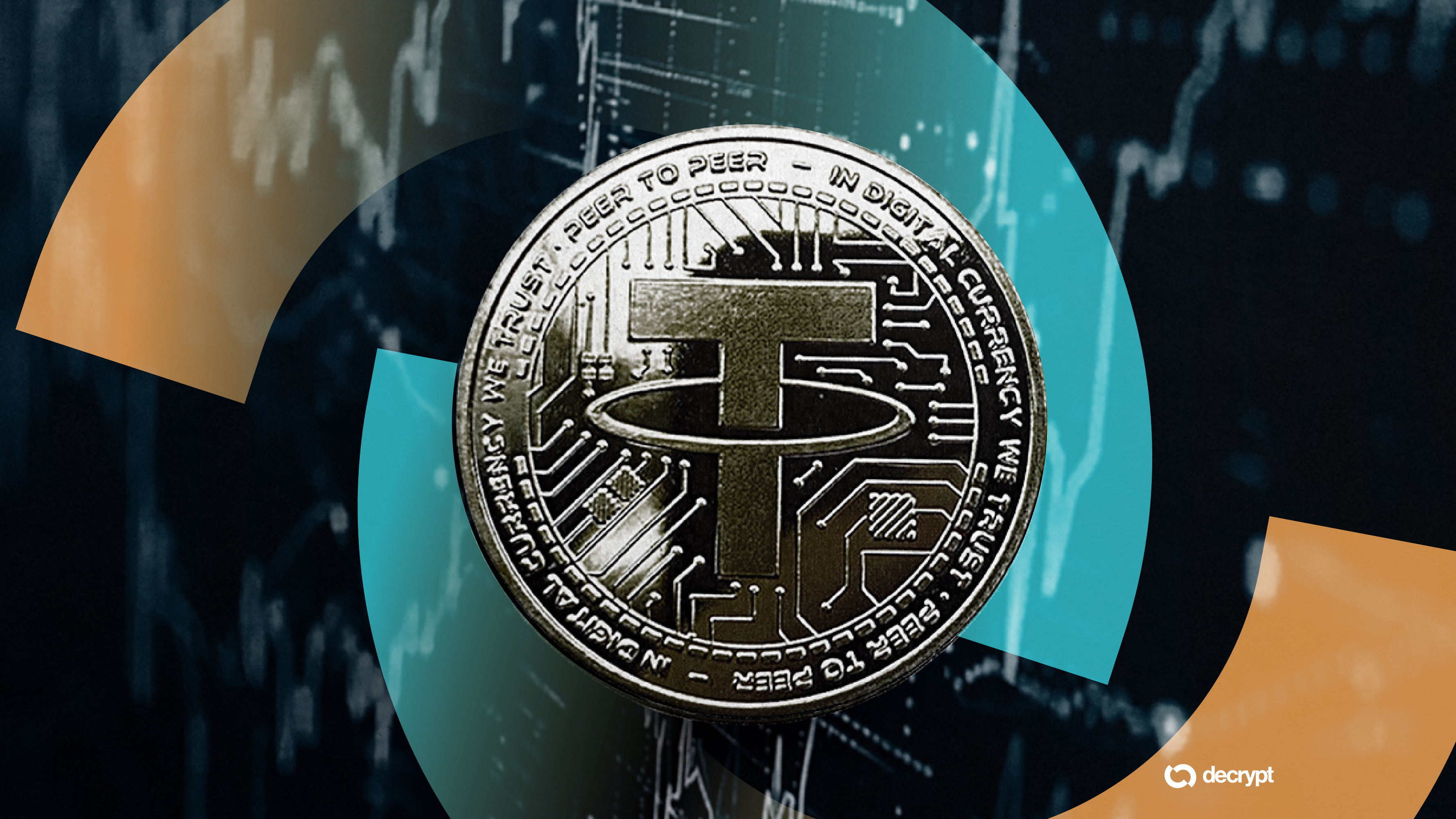
Tether has made headlines with the launch of its new self-custodial wallet, designed to streamline cryptocurrency transactions. This innovative wallet supports not only Tether’s USDT stablecoin but also Bitcoin and gold-backed tokens. By introducing email-like identifiers for transactions, Tether aims to make the process of sending and receiving cryptocurrencies more user-friendly. This move could potentially attract a broader audience to the world of digital assets, making it easier for both seasoned investors and newcomers to interact with cryptocurrencies.
To understand the significance of this launch, it's essential to consider Tether's position in the cryptocurrency market. As the issuer of the largest stablecoin by market capitalization, Tether has been a fundamental player in providing liquidity and stability within the volatile crypto landscape. Over the years, it has faced scrutiny regarding its reserves and transparency, but has maintained a dominant position in the market. The introduction of a self-custodial wallet marks a strategic shift for Tether, as it seeks to enhance its service offerings and increase user engagement.
The implications of Tether’s wallet launch extend beyond convenience. By supporting multiple asset types, including gold-backed tokens, Tether is positioning itself as a versatile platform that appeals to a diverse array of investors. This could potentially shift market dynamics, as users may feel more inclined to hold their assets within the Tether ecosystem rather than moving to other wallets or exchanges. Additionally, the wallet could facilitate greater usage of USDT in everyday transactions, further solidifying its role as a primary stablecoin in the market.
Industry experts and analysts have expressed mixed reactions to Tether's new wallet. Some view it as a progressive step that could enhance consumer trust and usability in an often-complex market. Others, however, remain cautious, citing ongoing concerns about the company’s regulatory challenges and transparency regarding its reserves. The introduction of a self-custodial wallet could also prompt scrutiny from regulators, as the crypto landscape continues to evolve.
As we look ahead, the success of Tether's wallet will largely depend on user adoption and how effectively the company addresses potential regulatory hurdles. If the wallet gains traction, it could set a precedent for other stablecoin issuers to follow suit, potentially leading to a wider acceptance of self-custodial solutions in the crypto space. The ongoing developments in this area will be crucial to monitor, as they could have far-reaching effects on how cryptocurrencies are utilized and perceived in the broader financial ecosystem.
CM
Tim CoinMagnetic
Investor kripto sejak 2017. Kami berinvestasi dengan uang sendiri dan menguji setiap exchange secara langsung.
Diperbarui: April 2026
Dari analisis kami:
Ingin mendapatkan berita lebih awal?
Ikuti saluran Telegram kami – kami memposting berita dan analisis terkini.
Ikuti saluran