RegulasiNetral
Ripple sets 2028 deadline to harden XRPL after Google’s quantum research sharpens attack risk
Sumber: CryptoSlate
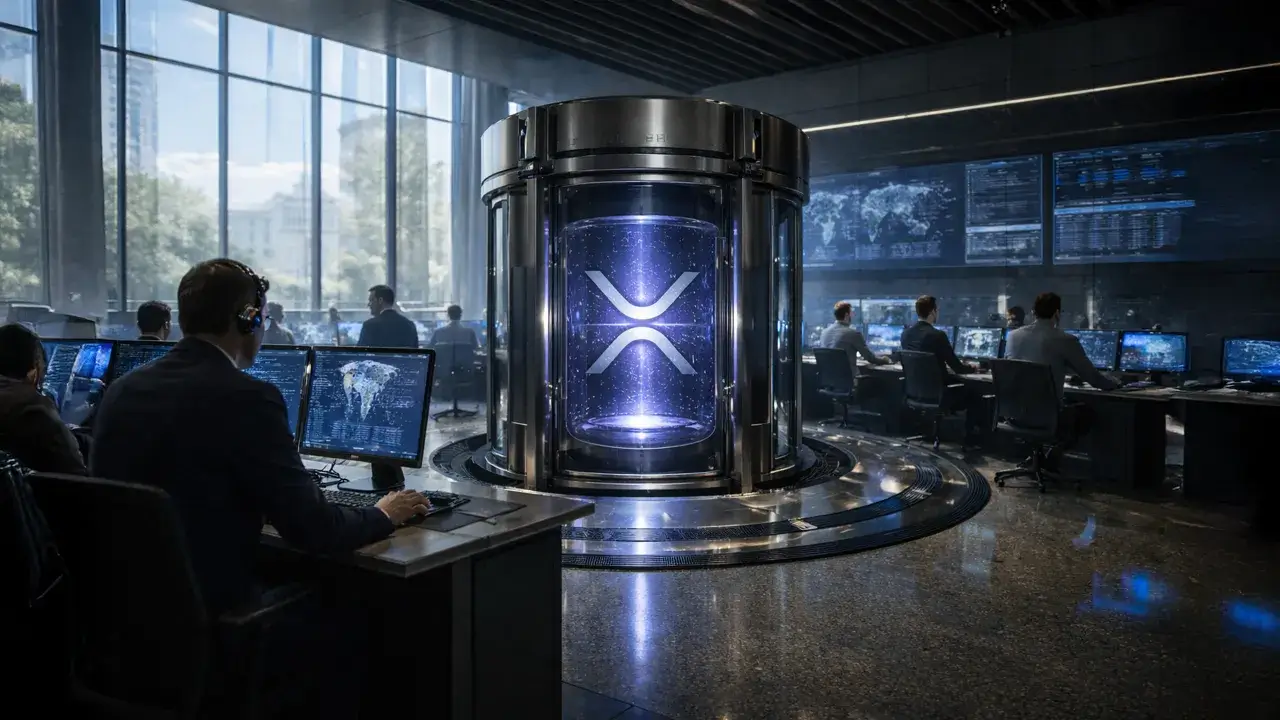
Ripple has unveiled a comprehensive multi-stage strategy to enhance the security of its XRP Ledger (XRPL) in light of growing concerns over quantum computing threats. The firm has set a target of 2028 to fully transition the XRPL to post-quantum cryptography, a move aimed at safeguarding the network against potential vulnerabilities that could be exploited by quantum computers. This decision comes in response to recent advancements in quantum research, notably by Google, which have underscored the urgency for blockchain developers to reevaluate existing cryptographic frameworks in anticipation of what is being termed “Q-day”–the day when quantum computers may surpass classical computers in solving complex cryptographic challenges.
The backdrop to Ripple's initiative is a broader industry recognition of the imminent risks posed by quantum computing. The field of quantum technology has seen significant breakthroughs, with major tech companies and research institutions making strides in developing quantum processors capable of executing calculations that traditional computers cannot manage efficiently. As quantum technology continues to evolve, the implications for blockchain security become increasingly pressing. Current cryptographic algorithms, which underpin the security of many digital assets, may become obsolete in the face of quantum capabilities, prompting proactive measures from blockchain developers.
This strategic pivot by Ripple is crucial for the market as it signals a proactive approach to mitigating risks associated with quantum attacks. The move could potentially set a precedent for other blockchain projects, urging them to also consider their security frameworks in light of emerging technologies. In an era where digital asset adoption is growing rapidly, ensuring the integrity and security of blockchain networks is paramount. If Ripple successfully implements its plan, it may not only strengthen its own position in the market but also instill greater confidence in the XRP Ledger among users and investors alike.
Industry experts have responded positively to Ripple's announcement, recognizing the foresight involved in preparing for quantum threats. Many view this as a necessary step toward ensuring long-term security and sustainability within the blockchain ecosystem. Some analysts have pointed out that while the transition to post-quantum cryptography is complex and requires careful planning, Ripple's commitment to a timeline demonstrates leadership in addressing future challenges. Others have emphasized the need for collaboration across the industry to develop standardized post-quantum solutions that can be adopted universally.
Looking ahead, Ripple's initiative raises several questions about the future of blockchain security. As the 2028 deadline approaches, attention will likely shift toward the implementation of these new cryptographic techniques and the real-world testing of their effectiveness. Furthermore, other blockchain projects may feel compelled to accelerate their own security upgrades, leading to a ripple effect across the industry. Ultimately, as quantum computing technology continues to advance, the race to secure blockchain networks will become increasingly critical, shaping the future landscape of digital finance and assets.
CM
Tim CoinMagnetic
Investor kripto sejak 2017. Kami berinvestasi dengan uang sendiri dan menguji setiap exchange secara langsung.
Diperbarui: April 2026
Dari analisis kami:
Ingin mendapatkan berita lebih awal?
Ikuti saluran Telegram kami – kami memposting berita dan analisis terkini.
Ikuti saluran