KeamananTurun
Iran Scammers Demand Bitcoin, USDT for Transit Through Strait of Hormuz: Report
Sumber: Decrypt
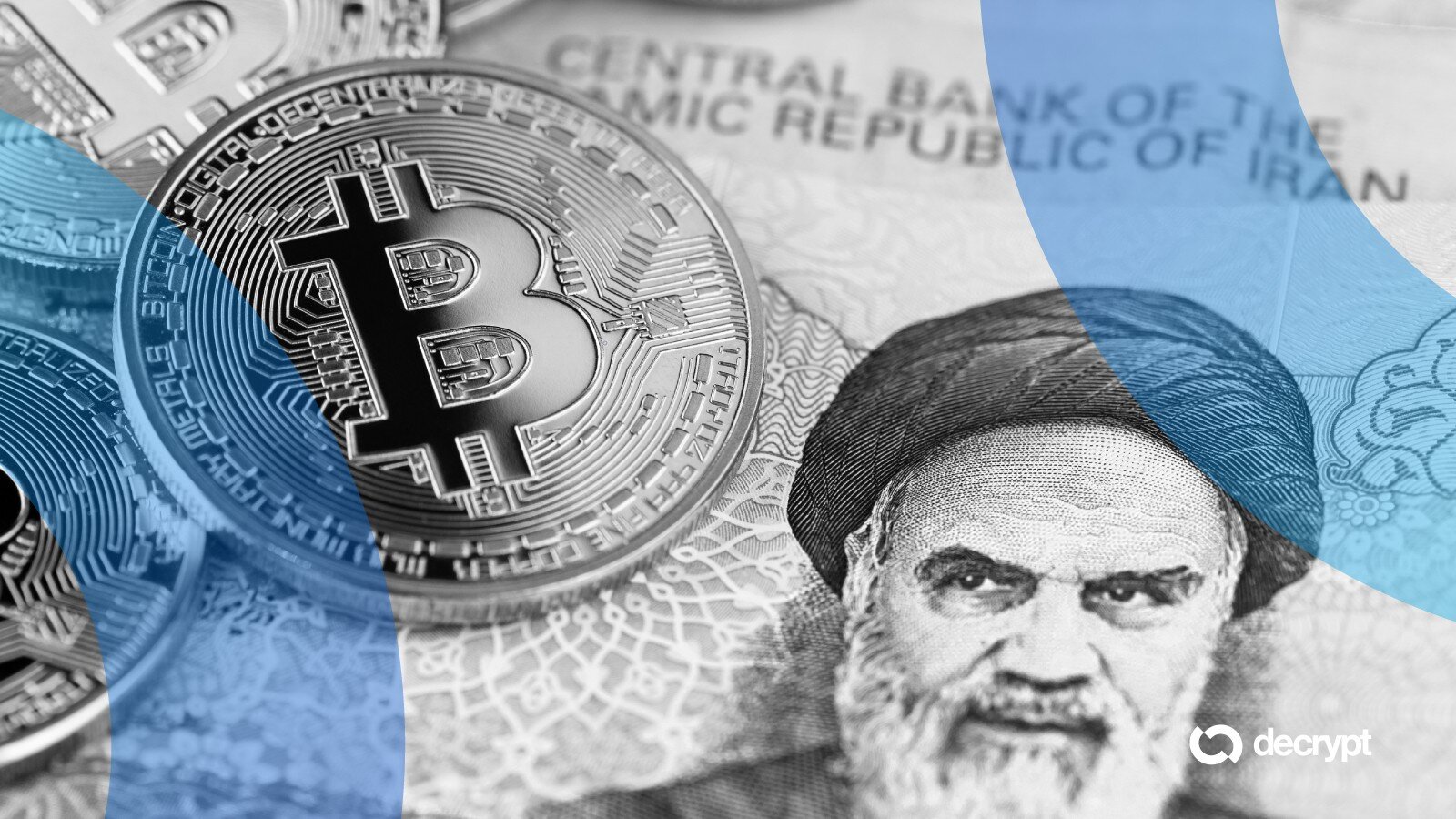
Recent reports indicate that scammers in Iran are exploiting the ongoing conflict by targeting maritime vessels stranded in the Strait of Hormuz. These scammers are demanding payment in Bitcoin or USDT (Tether) for "crypto clearance" to transit through this strategically vital waterway. The Strait of Hormuz is a critical chokepoint where roughly 20% of the world's oil passes, making it a focal point for geopolitical tensions. As the situation escalates into its third month, these fraudulent schemes are emerging, posing additional risks to shipping operations in the region.
The background of this issue is rooted in the increasing volatility surrounding the Iran conflict, which has heightened security concerns for shipping companies. With military presence and naval patrols intensifying, vessels may find themselves in precarious situations, leading to confusion and vulnerability. Scammers are capitalizing on this chaos, presenting themselves as authorities or facilitators and using the guise of crypto transactions to extort money from desperate ship operators. This trend not only underscores the vulnerabilities in maritime security but also highlights the intersection of cryptocurrency with global conflict.
This development is significant for the crypto market, as it reveals how digital currencies are being utilized in illicit activities. While cryptocurrencies offer a degree of anonymity and ease of cross-border transactions, their use in scams can tarnish the reputation of legitimate players in the market. Furthermore, the demand for Bitcoin and USDT as a form of payment in these scams could indicate a broader acceptance of cryptocurrencies in regions with unstable banking systems, albeit in a negative context. Such activities may lead to increased scrutiny from regulators who are already concerned about the potential for fraud and money laundering in the crypto space.
Industry experts and analysts have reacted with concern about the implications of these scams. Many are emphasizing the need for heightened security measures and awareness among shipping companies and maritime operators. Experts suggest that educating stakeholders on the risks associated with cryptocurrency transactions and the potential for scams is crucial. Additionally, calls for improved regulatory frameworks are becoming more prominent, as industry players recognize that without oversight, the potential for exploitation in volatile regions will continue to rise.
Looking ahead, it remains to be seen how authorities will respond to these developments and whether any measures will be implemented to combat this growing trend. As the conflict in Iran continues, shipping companies may need to enhance their security protocols and remain vigilant against such scams. The situation serves as a reminder of the complexities at the intersection of international conflict and digital currencies, and it is likely that we will see further discussions about the need for stronger safeguards in the maritime and crypto industries in the coming months.
CM
Tim CoinMagnetic
Investor kripto sejak 2017. Kami berinvestasi dengan uang sendiri dan menguji setiap exchange secara langsung.
Diperbarui: April 2026
Dari analisis kami:
Ingin mendapatkan berita lebih awal?
Ikuti saluran Telegram kami – kami memposting berita dan analisis terkini.
Ikuti saluran