PasarNetral
For 93 minutes, installing Bitwarden’s ‘official’ CLI turned laptops into launchpads for hijacking GitHub accounts
Sumber: CryptoSlate
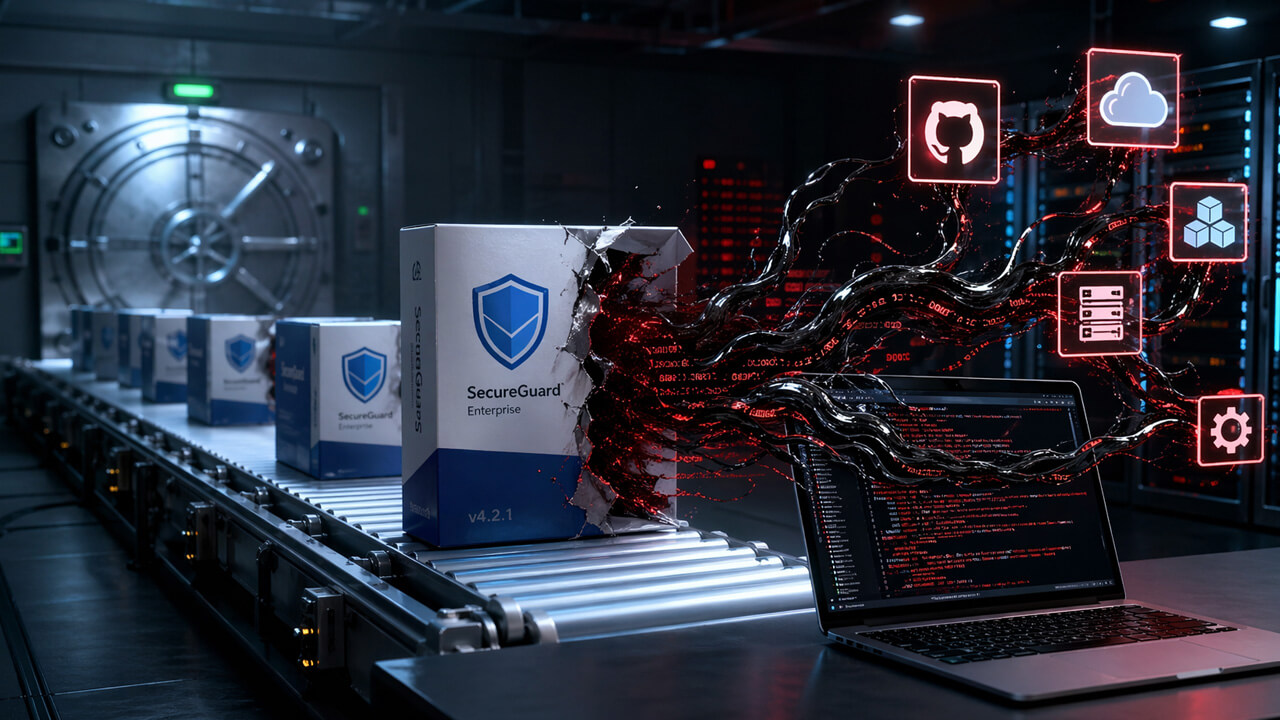
On April 22, a significant security incident affected users of Bitwarden's command-line interface (CLI) when a malicious version of the official package was made available on npm under the name @bitwarden/cli@2026.4.0. For a span of 93 minutes, anyone attempting to install this tool inadvertently received a compromised version, which was designed to execute backdoor functions that could hijack GitHub accounts. Bitwarden quickly detected the issue, removed the malicious package from the registry, and reassured users that there was no evidence of a broader compromise beyond this isolated incident.
This event highlights the vulnerabilities that can arise in software supply chains, particularly within widely-used package managers like npm. The incident serves as a reminder of the importance of vigilance and security in the software development lifecycle. Given that Bitwarden is a popular password management tool, the potential for widespread damage was significant, as many developers rely on the CLI for secure management of their credentials. The quick response from Bitwarden to address the situation reflects an understanding of the risks involved in open-source software distribution.
The implications of this event for the market are profound. As trust in software supply chains wavers, developers and enterprises may begin to reconsider their reliance on third-party packages. This incident underscores the necessity for enhanced security measures and regular audits in software deployment processes. It also raises questions about the effectiveness of current security protocols in place within package management systems, potentially leading to calls for more robust verification mechanisms to prevent future occurrences.
Industry reactions have been mixed, with some experts praising Bitwarden for its rapid response, while others express concern over the security of npm as a platform. The incident has spurred discussions among cybersecurity professionals about the need for better practices to safeguard against supply chain attacks. Several prominent voices in the tech community have emphasized the importance of implementing additional layers of security, such as signing packages and using automated tools to detect anomalies in code.
Looking forward, this incident may prompt npm and other package managers to reassess their security frameworks and policies. Developers may also start to adopt more stringent measures when sourcing dependencies, including increased scrutiny of package origins. As the industry grapples with these challenges, it will be crucial to establish a balance between the convenience of open-source contributions and the need for robust security to protect against malicious actors.
CM
Tim CoinMagnetic
Investor kripto sejak 2017. Kami berinvestasi dengan uang sendiri dan menguji setiap exchange secara langsung.
Diperbarui: April 2026
Dari analisis kami:
Ingin mendapatkan berita lebih awal?
Ikuti saluran Telegram kami – kami memposting berita dan analisis terkini.
Ikuti saluran