RegulasiNetral
FDIC Reveals Proposed Rules for Stablecoin Issuers Under GENIUS Act
Sumber: Decrypt
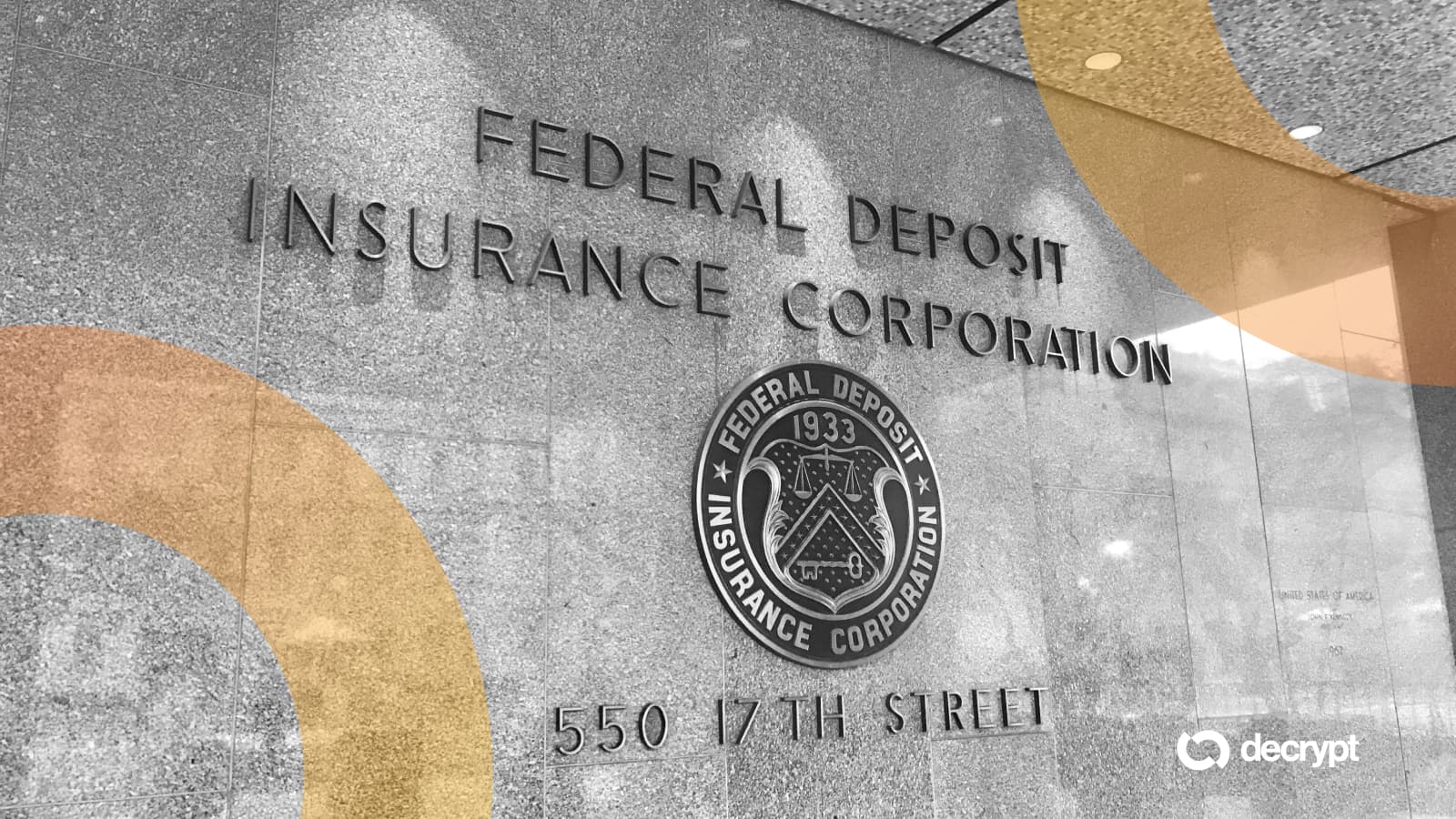
The Federal Deposit Insurance Corporation (FDIC) has recently unveiled a set of proposed rules aimed at regulating stablecoin issuers under the framework of the GENIUS Act. This initiative seeks to create a structured environment for stablecoin operations, establishing federal oversight standards that would govern the issuance and management of these digital assets. Notably, the proposal clearly states that stablecoins will not be covered by federal deposit insurance, which differentiates them from traditional bank deposits and emphasizes the need for investors and users to understand the risks involved with these digital currencies.
The backdrop for this proposal is a growing recognition from regulators that stablecoins, which aim to maintain a stable value by pegging them to traditional currencies or assets, have increasingly become integral to the cryptocurrency ecosystem. With the rapid expansion of stablecoin usage for trading, transactions, and even as collateral in decentralized finance (DeFi) applications, there has been mounting pressure on regulatory bodies to ensure that these digital assets operate within a safe and predictable framework. The GENIUS Act, which stands for “Generating Environments for Next Generation U.S. Stablecoins,” is part of this larger effort to provide clarity and stability in a rapidly evolving market.
This regulatory move is significant for the market as it signals a more formal acknowledgment of the role stablecoins play within the broader financial landscape. By establishing federal standards for stablecoin issuers, the FDIC aims to create a level of trust and accountability that could enhance market stability. However, the explicit exclusion of stablecoins from deposit insurance protections raises important questions for users regarding the safety of their funds and could influence how individuals and businesses choose to interact with these digital assets. The market may react with caution as stakeholders assess the implications of these regulations on their operations and investment strategies.
Industry reactions to the proposal have been mixed. Some experts welcome the move as a necessary step towards legitimizing stablecoins and providing a clearer regulatory framework that can foster innovation while protecting consumers. Others, however, express concerns that the lack of deposit insurance could deter potential users and investors, ultimately stifling growth in a segment of the market that has seen explosive expansion. The conversation around the FDIC's proposal is expected to evolve as more stakeholders weigh in, and as discussions about how best to integrate stablecoins into the existing financial system continue.
Looking ahead, the proposed rules are likely to undergo further scrutiny and modification as they move through the regulatory process. Stakeholders will be eager to provide feedback and advocate for changes that could better support the growth of the stablecoin market while ensuring adequate consumer protections. As the FDIC continues to engage with the public and industry participants, the outcome of this proposal could set important precedents for the future of stablecoins, shaping the landscape for both issuers and users in the years to come.
Tim CoinMagnetic
Investor kripto sejak 2017. Kami berinvestasi dengan uang sendiri dan menguji setiap exchange secara langsung.
Diperbarui: April 2026
Ingin mendapatkan berita lebih awal?
Ikuti saluran Telegram kami – kami memposting berita dan analisis terkini.
Ikuti saluran


