PasarNetral
DeFi losses are now 8,500% higher than TradFi breaches per dollar moved
Sumber: CryptoSlate
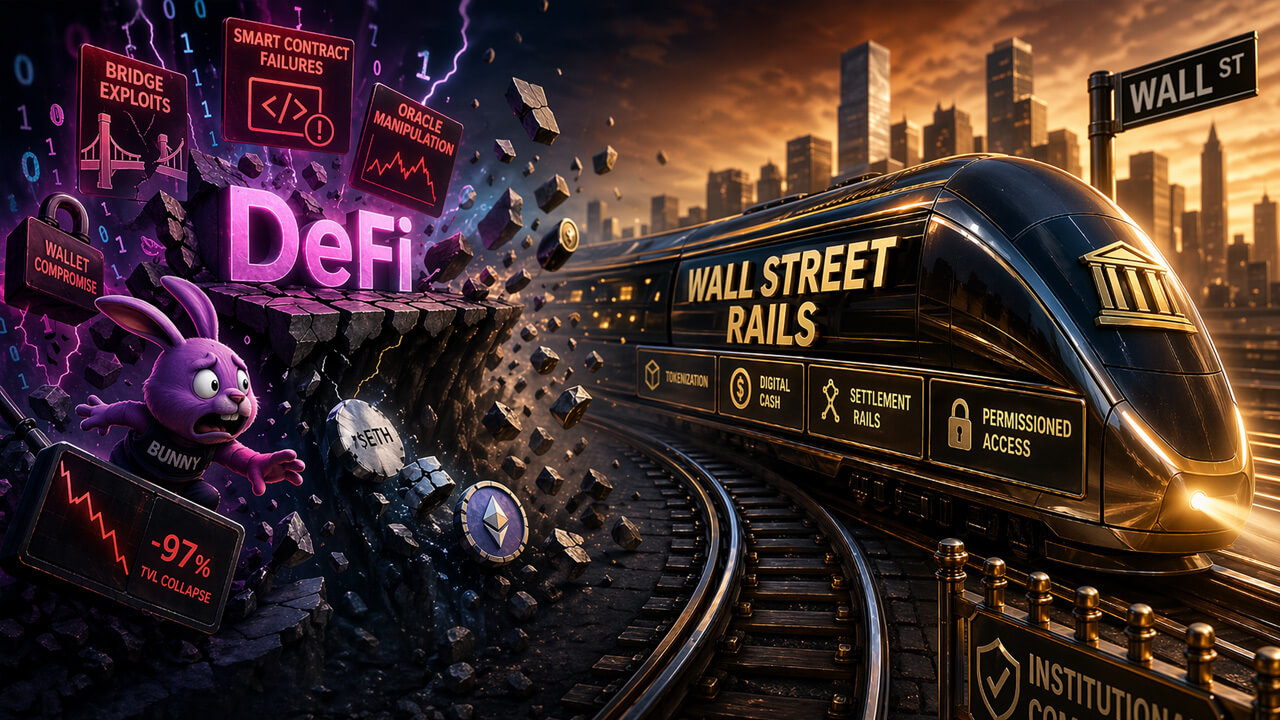
Recent data highlights a significant disparity between the losses incurred in decentralized finance (DeFi) compared to traditional finance (TradFi). Reports indicate that DeFi losses have surged to an astonishing 8,500% higher than those seen in TradFi when measuring breaches per dollar moved. This alarming statistic raises concerns about the safety and reliability of DeFi platforms, particularly as the sector continues to attract both institutional and retail investors looking for alternative financial solutions. With numerous hacks, exploits, and fraudulent schemes reported over the past year, the question of whether DeFi can live up to its original promise has become more pertinent than ever.
To understand the current landscape, it is essential to recognize the fundamental principles that underpin DeFi. The vision for DeFi was built on the notion of decentralization, where users maintain full control of their funds through self-custody and private keys. This was meant to eliminate the need for intermediaries, providing transparency and enabling financial services to be executed via smart contracts on public ledgers. However, the rapid growth of DeFi has brought with it a slew of security vulnerabilities, often stemming from the complexity of smart contracts and the unregulated nature of the platforms involved. As a result, the industry's original goals are now being overshadowed by increasing risks.
The implications of these findings are profound for the broader cryptocurrency market. As investors weigh the risks and rewards of participating in DeFi projects, a growing sense of caution is likely to emerge. If the trend of soaring losses continues, it could lead to a significant decline in user confidence, ultimately stunting the growth of DeFi and pushing investors back toward the relative safety of TradFi. This shift could also impact the overall innovation landscape, as projects may struggle to attract funding and talent in an increasingly risk-averse environment.
Industry experts have expressed a range of opinions on the situation. Some argue that the high losses are a natural byproduct of the growing pains experienced by a nascent industry. They believe that as the technology matures and security measures improve, these issues will be addressed, paving the way for a more resilient DeFi ecosystem. Others are more skeptical, pointing to the persistent vulnerabilities and questioning whether the fundamental design of DeFi can ever truly achieve the security and stability seen in traditional finance. This debate underscores the ongoing tension between innovation and risk management in the crypto space.
Looking ahead, the DeFi sector faces a critical juncture. The urgency for enhanced security protocols and better regulatory frameworks cannot be overstated. As the industry grapples with these challenges, stakeholders must work collaboratively to restore trust while continuing to innovate. The future of DeFi may very well hinge on its ability to reconcile its foundational ideals with the harsh realities of security risks, ensuring that it remains a viable option for users seeking financial autonomy in an ever-evolving market landscape.
CM
Tim CoinMagnetic
Investor kripto sejak 2017. Kami berinvestasi dengan uang sendiri dan menguji setiap exchange secara langsung.
Diperbarui: April 2026
Dari analisis kami:
Ingin mendapatkan berita lebih awal?
Ikuti saluran Telegram kami – kami memposting berita dan analisis terkini.
Ikuti saluran